Civic Engagement
Civic Participation Begins in Schools
Fostering a robust democracy in America requires that we create a truly democratic school culture.
Innovations in the way that organizations use civil disobedience, protests, and other forms of activism to advance social progress
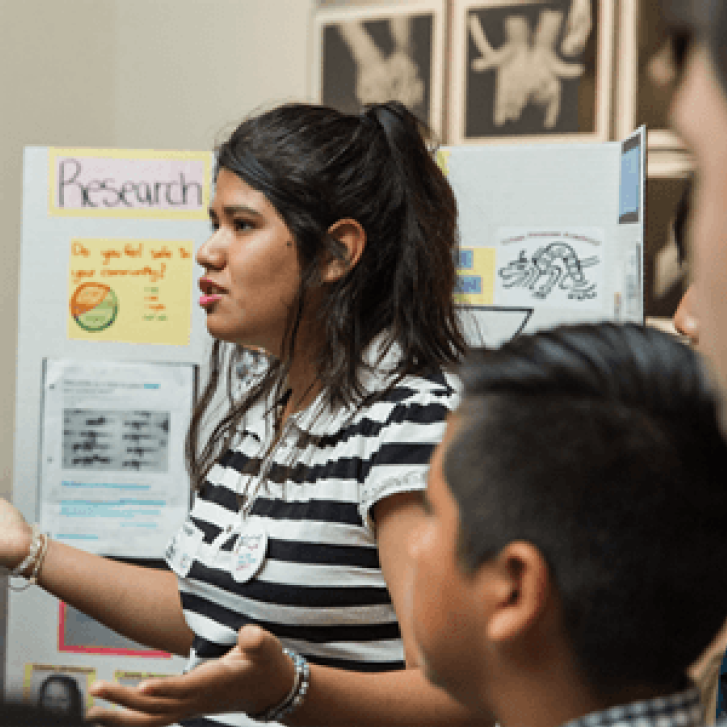
Fostering a robust democracy in America requires that we create a truly democratic school culture.
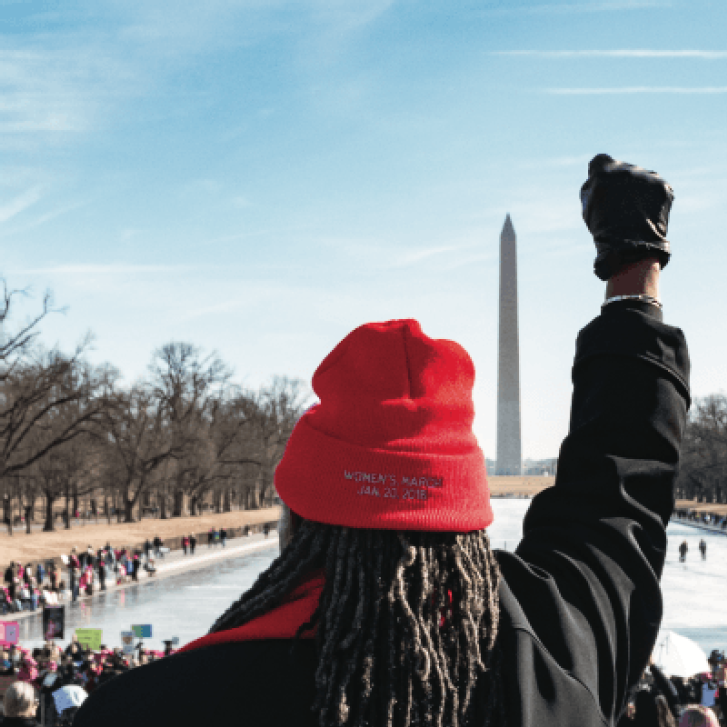
A reading list of some of our favorite articles on women, girls, and gender equality.
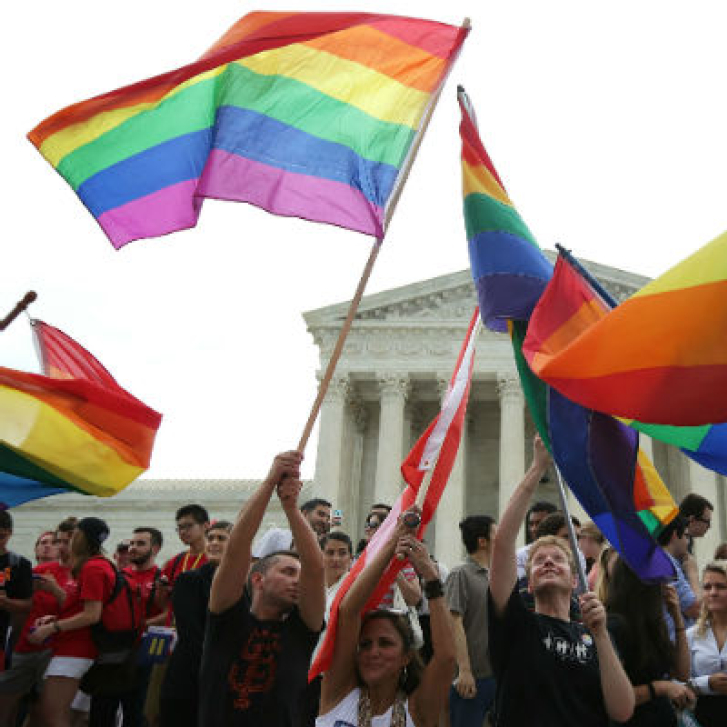
To create systems of societal change, we need to become clearer about the archetypes of societal change strategies, their strengths and weaknesses, and their interactions.
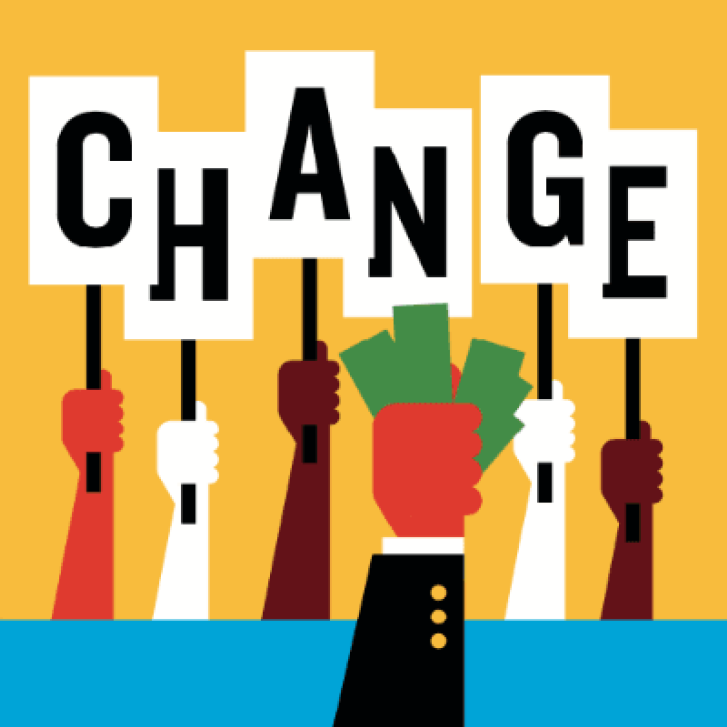
Solving systemic social problems takes people, politics, and power—not more social entrepreneurship.
From the Women’s March to #MeToo, women have risen up to change politics and society.
The Trump administration wants to ban terms like “evidence-based” from government reporting. But if policymakers can’t make budget and policy decisions based on evidence, what, exactly, is supposed to guide them?

Emily May created the online platform Hollaback, where women subjected to sexual harassment can share their stories.

Surmounting daunting social challenges such as ending malaria or achieving marriage equality can require the help of an intermediary organization—a field catalyst—that amplifies the efforts of others. Open access to this article is made possible by The Bridgespan Group.
A framework for understanding the roles you can play in a movement for social change.

Charitable appeals that address a wealthy person’s agency are more effective.