Social Innovations
Creating Infectious Action
Jennifer Lynn Aaker discusses a repeatable method that we can follow to get people to take action, but perhaps even more important, to influence people to get others to take action as well.
Understanding why people behave unselfishly
Jennifer Lynn Aaker discusses a repeatable method that we can follow to get people to take action, but perhaps even more important, to influence people to get others to take action as well.

“One death is a tragedy; 1 million is a statistic,” Joseph Stalin is supposed to have said. The more people we see suffering, the less we care.
The effective philanthropy movement operates on an evidence-based understanding of how the world works.
Appeals to caring for the needy are likely to backfire unless advocates acknowledge and avoid inflaming passions that stem from other powerful moral values.
One way to frame efforts to increase charitable giving is to think of it as “changing the coefficients of giving.”
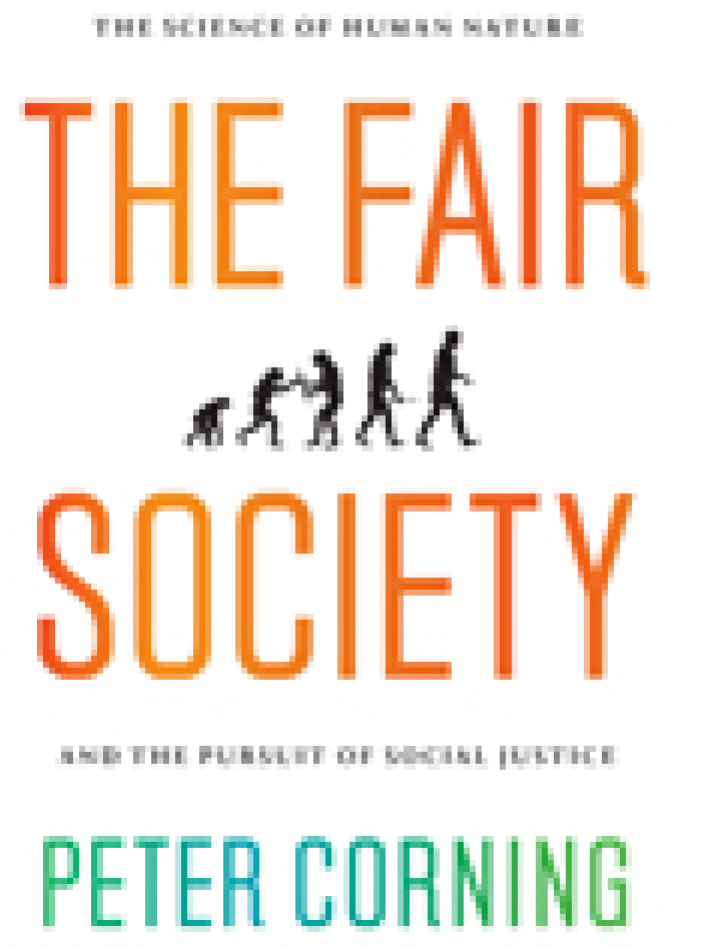
The Fair Society: The Science of Human Nature and the Pursuit of Social Justice by Peter Corning

Do More Than Give: The Six Practices of Donors Who Change the World by Leslie R. Crutchfield, John V. Kania, & Mark R. Kramer
The ability to act responsibly arises from understanding how beneficial effects are created.
The more money a person has, the less generous, helpful, compassionate, and charitable he is toward other people.
Politically radical social workers didn’t expect to be working in a bank any more than white-collar bankers expected to be holding meetings in a crowded public market.