


Food
A Table for All
Food for Soul’s refettorios are feeding the poor, finding a solution to food waste, and building community spirit.
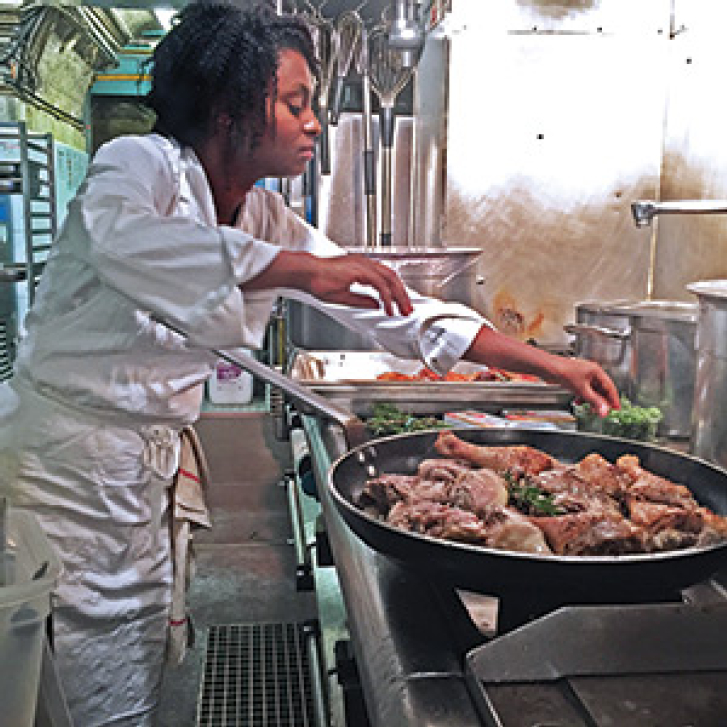
Food for Soul’s refettorios are feeding the poor, finding a solution to food waste, and building community spirit.

Social service agencies have too often excluded the communities they aim to help from informing and strengthening the programs purportedly designed for them. Here are two techniques for using a person-centered model that offers a better way to craft truly collaborative solutions.

How the work of bringing voter registration kiosks into emergency rooms has become more urgent—and more difficult—during the COVID-19 pandemic, and also expanded in scope. Part of a series on civil society's response to the pandemic.

By shifting the focus of social innovation from actions to the thinking behind those actions, social sector leaders can create a better world—a world different than the past.
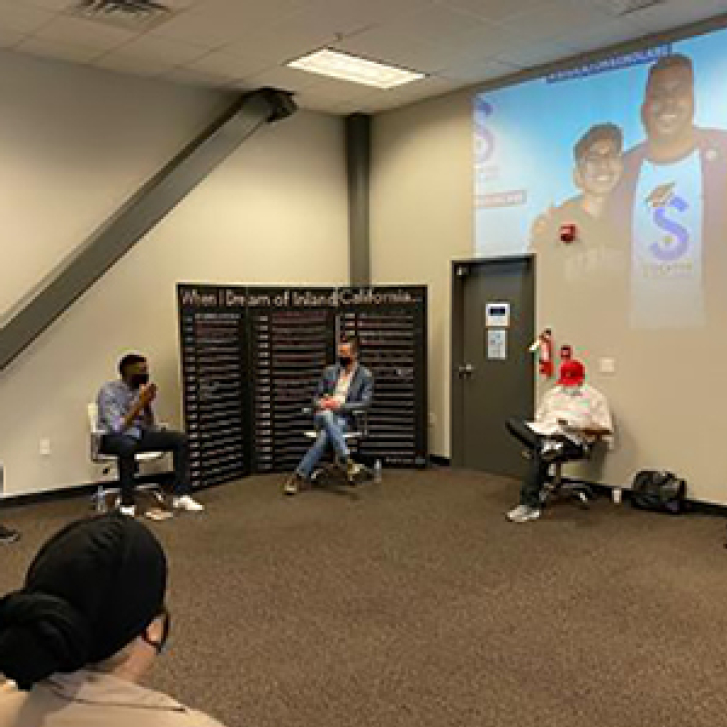
Inland regions are rapidly diversifying, and leaders of color in places like the Inland Empire need investment. Philanthropy needs a new playbook for this intersection of racial equity and regional equity.

Building a shared sense of responsibility at Miami Dade College begins with empathy, reflection, and closing the gap between students and staff. Part of the Innovating Higher Education series.
Funders can build on “constituent engagement” by supporting peer groups as they lead their own change and work collectively to advance their lives.

The groups that set the narratives about what happened during the COVID-19 crisis, what to do now, and what’s next will have outsized influence on who we hold responsible, who gets help, and what we do moving forward.
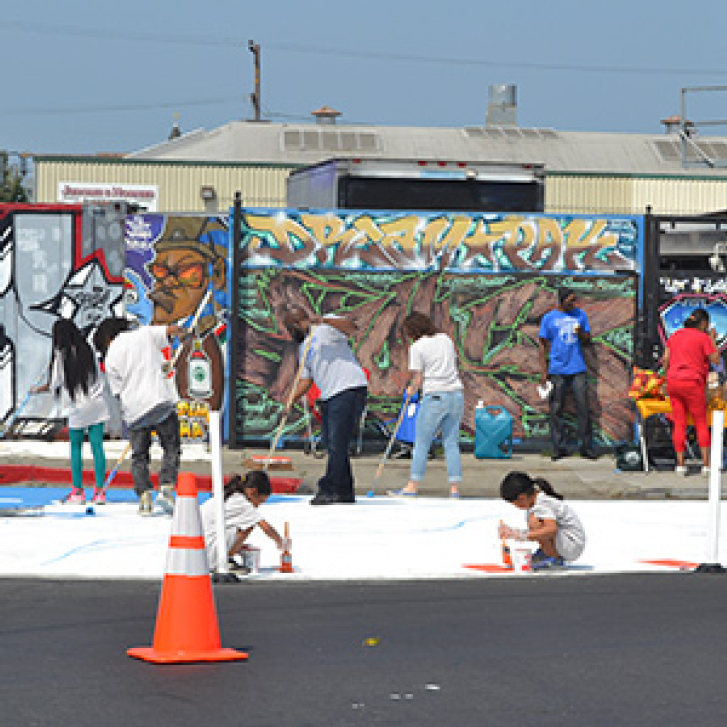
A look at four “housing-plus” initiatives that are building healthy neighborhoods.
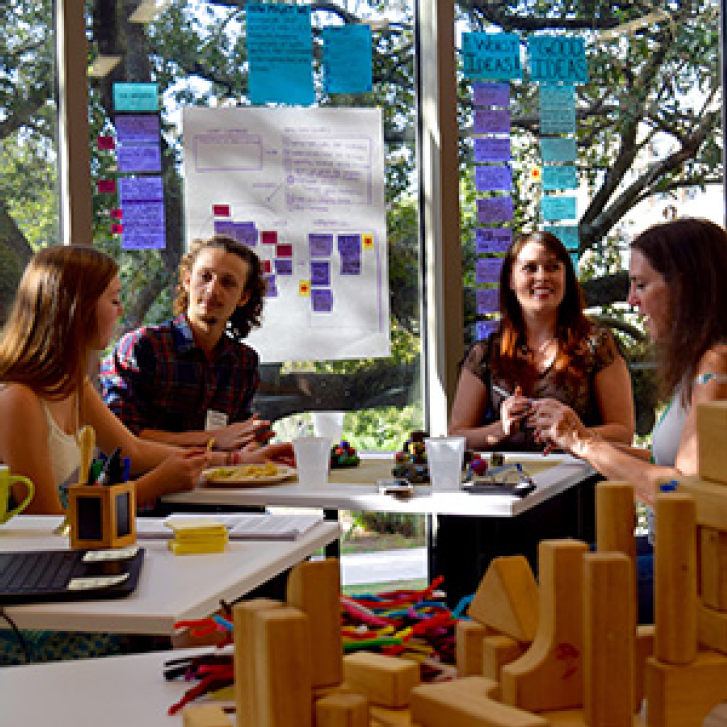
How Tulane University rebuilt from Hurricane Katrina with a renewed commitment to embedding social innovation and community engagement at the core of its mission. Part of Innovating Higher Education for the Greater Good, a new series from SSIR and Ashoka U.