


Human Rights
Lessons From Mutual Aid During the Coronavirus Crisis
Community-led responses to the COVID-19 epidemic are providing a model for treating the vulnerable that should remain when this crisis comes to an end.
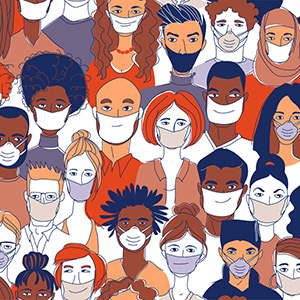
Community-led responses to the COVID-19 epidemic are providing a model for treating the vulnerable that should remain when this crisis comes to an end.

Good civic health looks like people making meaningful connections with their neighbors, public officials, and contributing to governance decision-making. But what will become of civic life during COVID-19 Part of the series Rethinking Social Change in the Face of Coronavirus.
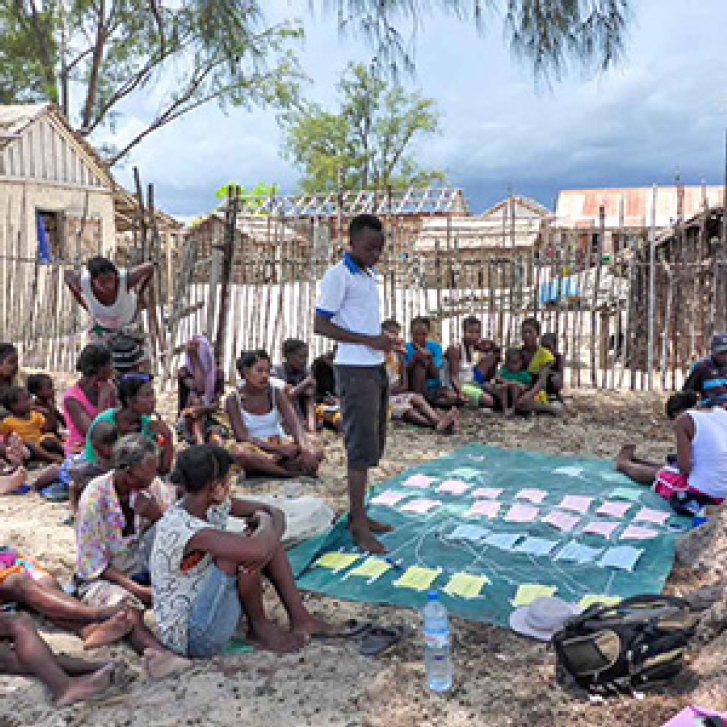
Conventional routes to scaling impact don’t always work. Conservation nonprofits and social ventures should be wary of the lure of a large partner and consider replicating from the grassroots instead.
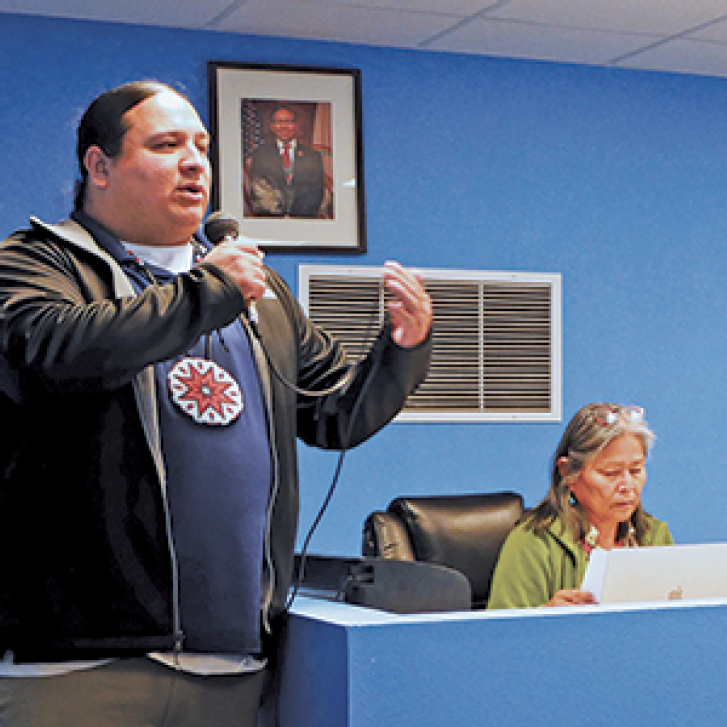
Less than 0.3 percent of philanthropic dollars go to indigenous communities, despite disproportionate poverty and challenges in vital areas such as education and infrastructure. The NDN Collective is shifting that balance. A What's Next article from the Spring 2020 issue.
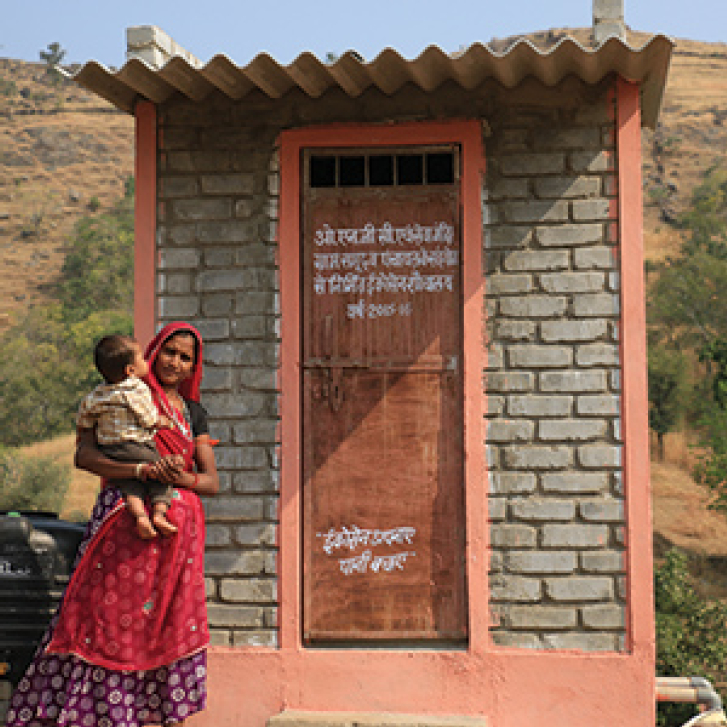
The biggest obstacle to eradicating India’s sanitation problem is a social tradition based in its caste system. A Field Report from the Spring 2020 issue.

For 50 years, Fondation de France has pursued a democratic ideal of philanthropy based on diverse funding sources, inclusive governance, and community empowerment. A Case Study from the Spring 2020 issue.

By opening space for public discussion where people can feel heard and respected, democratic societies can not only achieve better results, but also restore a level of trust in institutions and a sense of belonging to communities that are dangerously crumbling. A Viewpoint from the Spring 2020 issue.
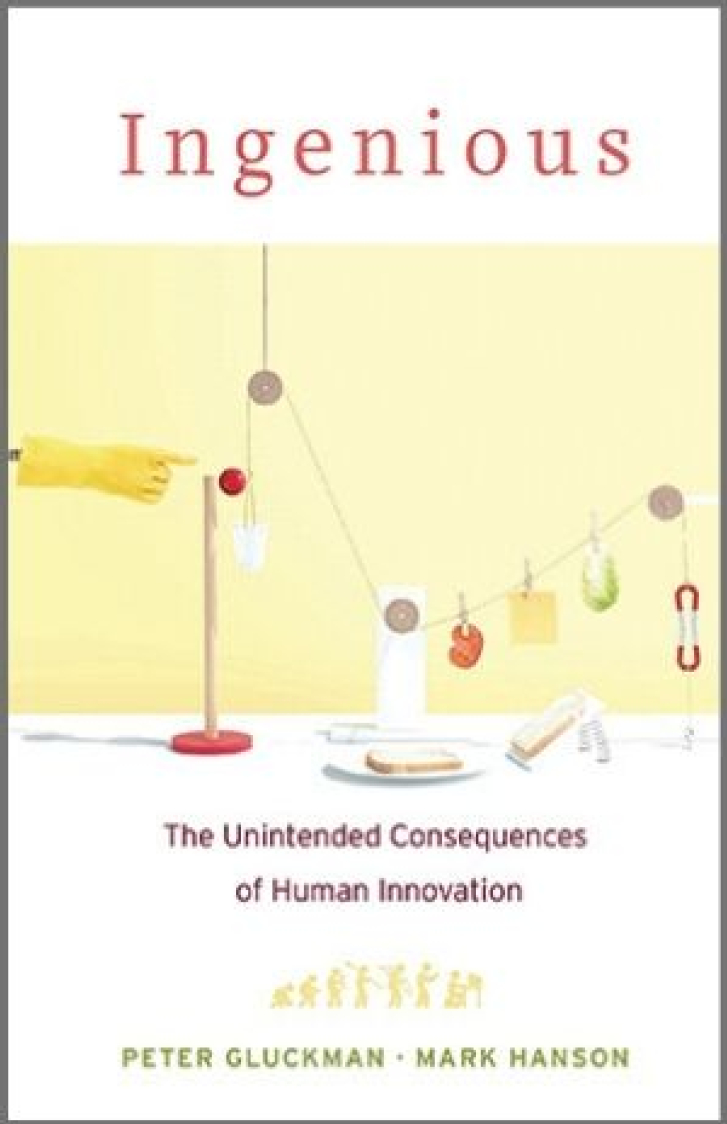
Peter Gluckman and Mark Hanson’s Ingenious applies concepts and metaphors from evolutionary biology to explain the impact of technological innovation on human life. A book review from the Spring 2020 issue.
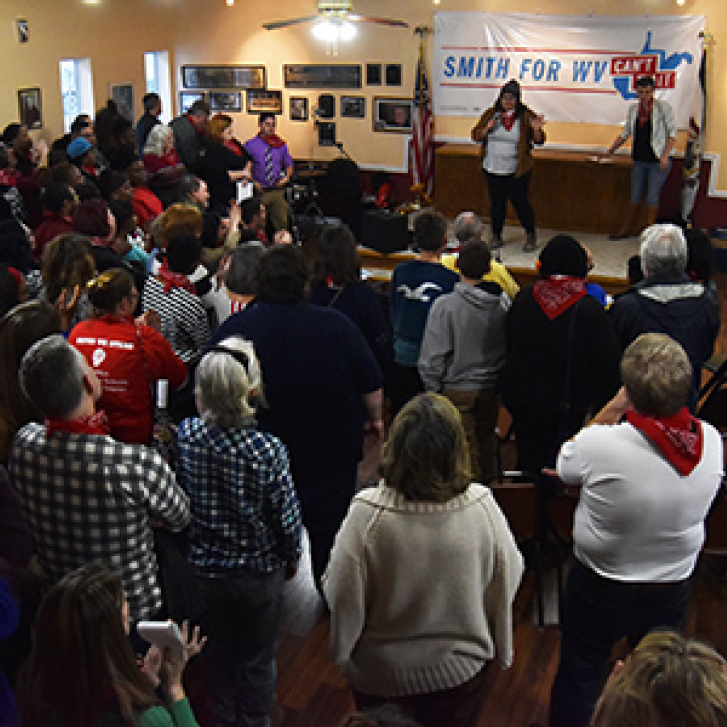
How the West Virginia Can’t Wait movement is using a gubernatorial race as a platform to raise up new leaders for the future, win or lose.
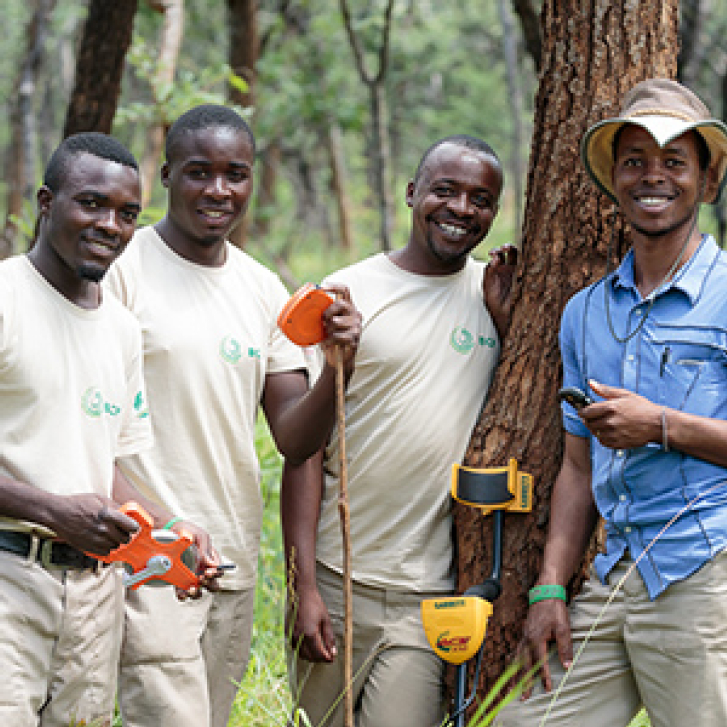
In landscapes where people and natural systems co-exist and intermingle, conservationists must go beyond protection and work to develop community-level incentives for wildlife conservation through sustainable and locally managed use.