sponsored
The SEE Way
Entrepreneurs have launched a bold new democratic practice to save the environment in China.

Entrepreneurs have launched a bold new democratic practice to save the environment in China.

New experiments with civic engagement, outreach, and philanthropic models in Philadelphia offer inspiration for leaders across the social sector.

We must take proactive and preventive steps to restore trust across government, business, and civic institutions, or societies around the world may be at greater risk of chaos and conflict.
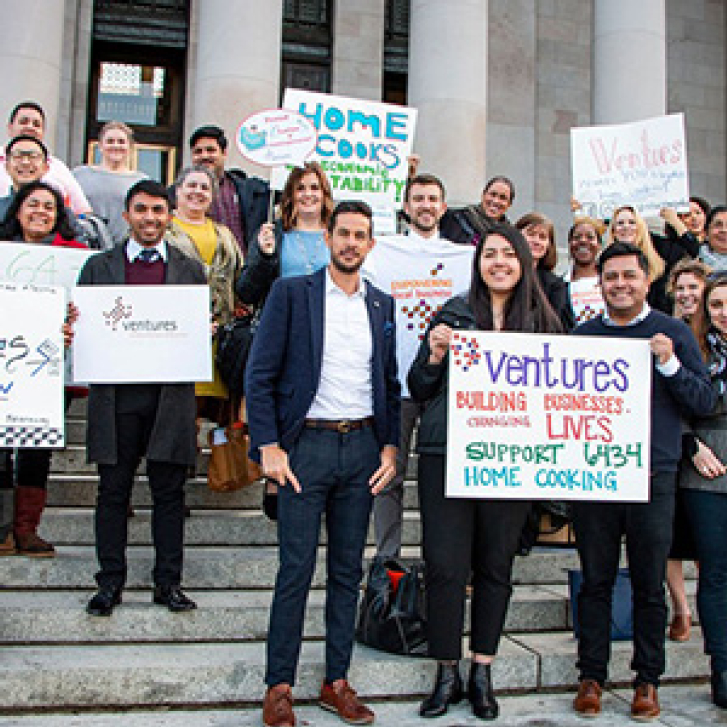
Seattle-based microenterprise nonprofit Ventures shares advice to help other organizations design sustainable, effective grassroots advocacy programs.

Activists can be more successful at solving problems in their communities by using three simple strategies to connect local, national, and global narratives.

A growing chorus of critics are questioning whether big philanthropy is actually a good thing.

Plutocratic biases are baked into the policies that structure charitable giving and big foundations. We must overhaul philanthropy to make it better serve democratic ends.
American civil society has a history of and reputation for political independence—and alongside it, accountability, transparency, and governance. But these unique qualities are at risk.
Cities continue to be the place where citizens can engage most directly with government—especially when nonprofits are there to offer capacity, expertise, and reach.

Rob Reich, a Marc and Laura Andreessen faculty co-director of Stanford PACS, moderates a conversation about the promise and peril of technology in civil society. Reich is joined by Kelly Born, a program manager at the William and Flora Hewlett Foundation’s Madison Initiative, and Arisha Hatch, managing director of campaigns at Color of Change.