


Advocacy
Getting Political Is Good for Everyone
Nonprofits that engage in political activity benefit themselves, those they serve, and the political system as a whole.
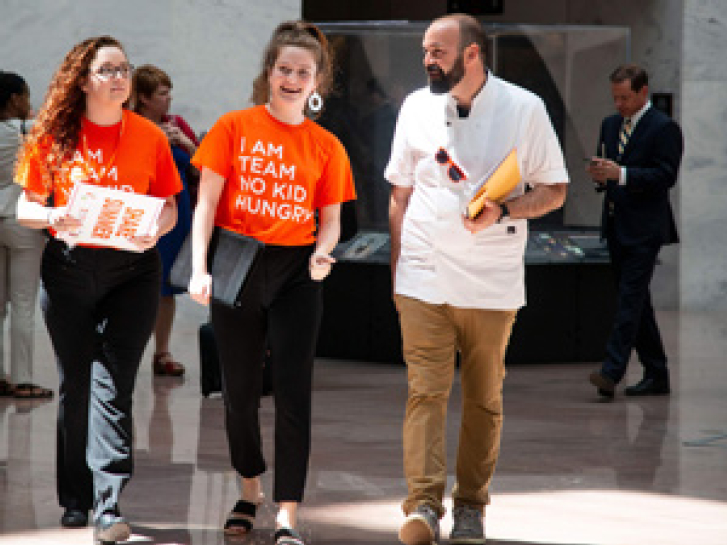
Nonprofits that engage in political activity benefit themselves, those they serve, and the political system as a whole.

During the Industrial Revolution, labor organizations, social movements, the media, and government came together to rein in big business, providing lessons on how to regulate firms of today like Facebook, Amazon, and Google, writes SSIR's editor-in-chief in an introduction to the Summer 2019 issue.
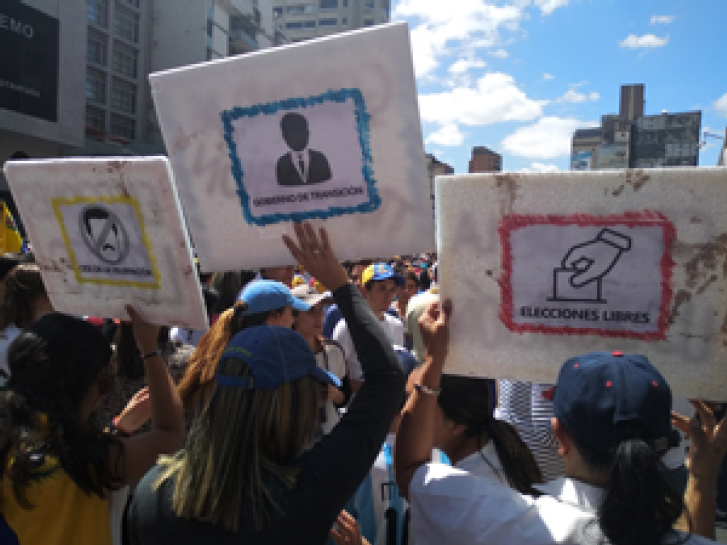
PROVEA is spreading the word about Venezuela’s political and economic crisis while building alliances in neighboring countries. From the What's Next department of the Summer 2019 issue.

For nearly three decades, the Electronic Frontier Foundation has led the fight to protect people’s digital rights, incubating allied organizations and offering free security tools to nonprofits. Can it continue to uphold its mission? From the Summer 2019 issue.
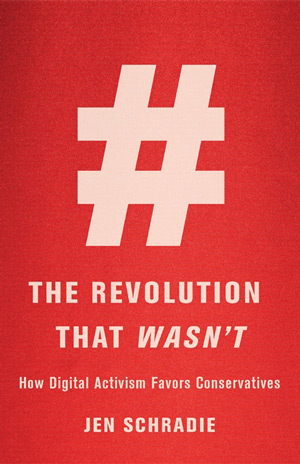
Sociologist Jen Schradie reveals how digital activism empowers defenders of the status quo.

Grantmakers In Health presents a snapshot of the latest thinking from health funders, researchers, and advocates on healthy eating and active living (HEAL) and healthy communities.

To ensure equitable health outcomes, we need to be explicit about goals, build transparent relationships with local communities, address underlying issues that drive health disparities, and measure and adjust outcomes accordingly.

Building effective policy advocacy campaigns, creating programs that support sustainable systemic changes, and engaging parents to identify and advocate for critical issues are all key to supporting healthy schools and communities.

Policy, Systems, and Environmental Change (PSE) strategies are critical tools in the battle for good health in adults and children.

Physical Activity Research Center (PARC) investigators examine physical activity across built environments, parks and recreation, schools, and rural areas—all through an equity lens.