


Philanthropy & Funding
Building Indigenous Power and Investing in Indigenous Self-Determination
To solve the most pressing issues for Indigenous communities—and for the world at large—power and autonomy must be given to Indigenous people themselves.
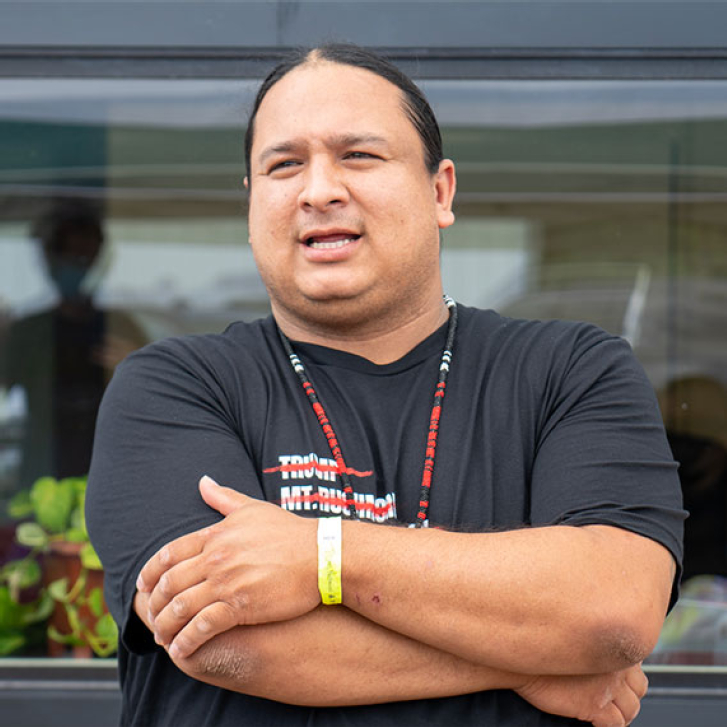
To solve the most pressing issues for Indigenous communities—and for the world at large—power and autonomy must be given to Indigenous people themselves.

We must shift how we understand and build societal health and prosperity, looking beyond economic growth to collective well-being and environmental sustainability.
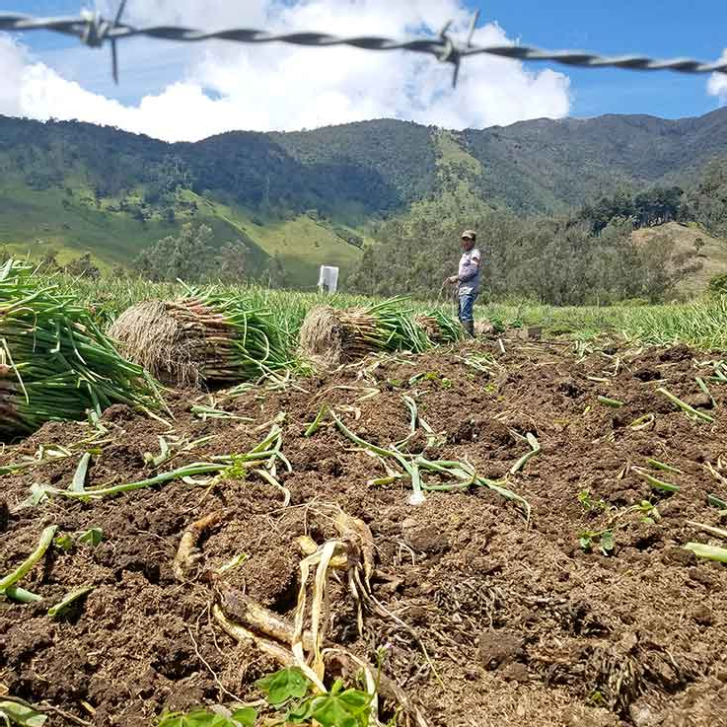
As climate change creates new ambiguity problems for farmers, communities need to better understand and assess their own environments.

For the past 30 years, celebrated academics and business leaders have promoted the idea that companies often profit by addressing social and environmental problems. Although these proposals have been hailed as promising breakthroughs, they are unscientific and counterproductive.

Schools must help liberate their students and their families from social injustice and support the revitalization and sustainability of their communities and environment.

As a macro risk factor, climate change needs to be disentangled from the other social and governance mandates in the ESG investing rubric.

LaderaTECH is developing a hydrogel to preventatively treat areas at high risk for wildfires.

Consumers will never solve the climate crisis. To build sustainability, business leaders must partner with government and society to re-focus their companies on new forms of market exchange.

Breaking down silos means starting from intersectionality and emphasizing climate justice.

To meet the magnitude of this moment we must work collaboratively in ways that promote decentralization over top-down hierarchies, relationships over transactions, and emergence over control.