Philanthropy & Funding
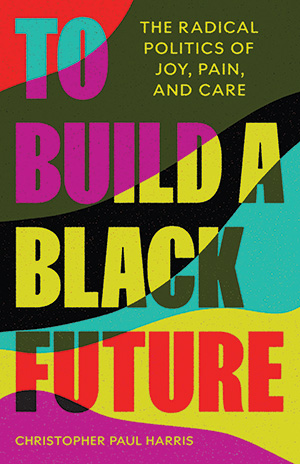
Finding Black Joy in Pain
Scholar and activist Christopher Paul Harris re-envisions the history of Black protest movements to argue for new politics based on pain, joy, and care.
Instead of exacerbating biases with the standard playbook, peer nominations help funders build a more efficient, equitable, and impactful pipeline.
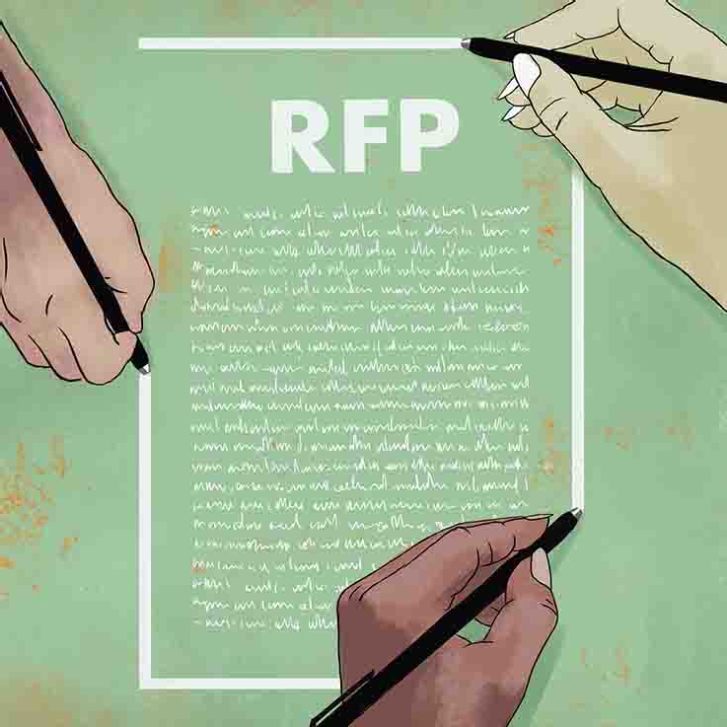
As currently structured, requests for proposal (RFPs) are counterproductive to social change efforts. We must redesign granting systems to empower the communities in which we work.
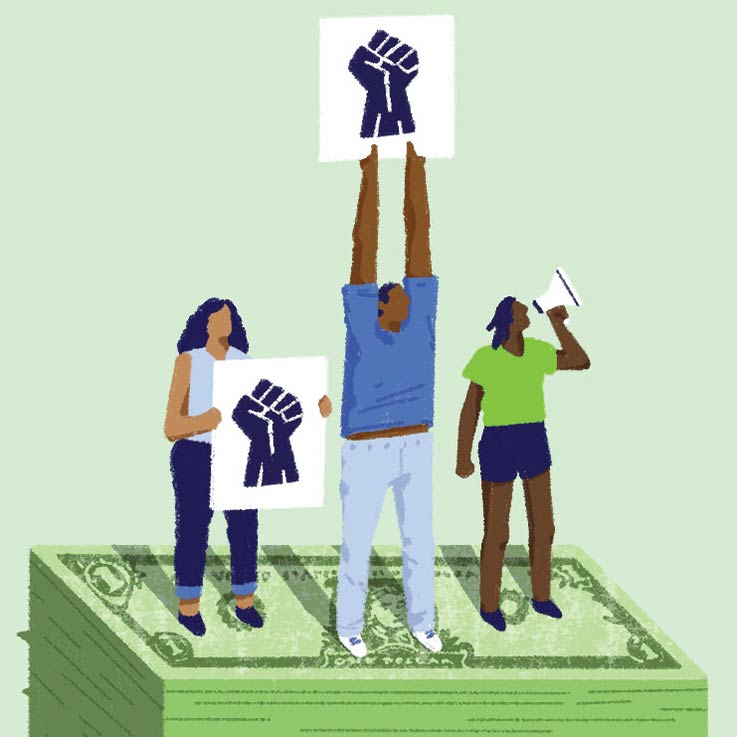
A wave of big-bet grants has left some funders asking whether recipient organizations still “need” their money. That’s always the wrong question.
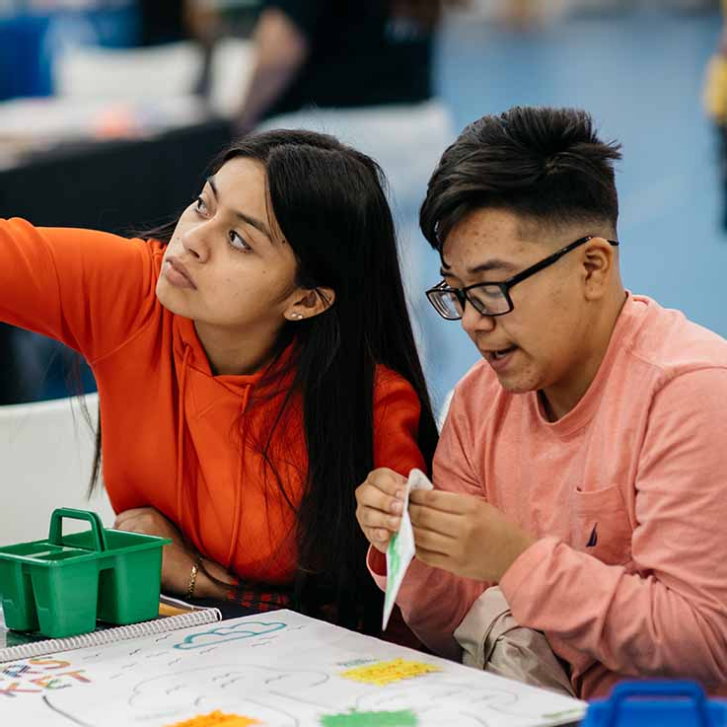
Targeted scholarships may draw underrepresented groups away from more lucrative funding.
Championing initiatives is not enough. Philanthropy must fund their implementation and build power in communities to keep the ball moving.
We created the Democracy Frontlines Fund to enable experienced anti-racist organizers to do their crucial work. They taught us how to do philanthropy better.
Disability is a relatively untapped area of investment for philanthropy, but one that offers promise of change and multiple avenues for donor impact.
Far from constraining foundations, donor intent protects them from short-term thinking and liberates their creativity.
Amid a global pandemic, philanthropic organizations in emerging markets are finding their voice and challenging historical constructs.