


Economic Development
360-Degree Development
Swades Foundation is working to break nonprofit community development efforts out of their silos in India.
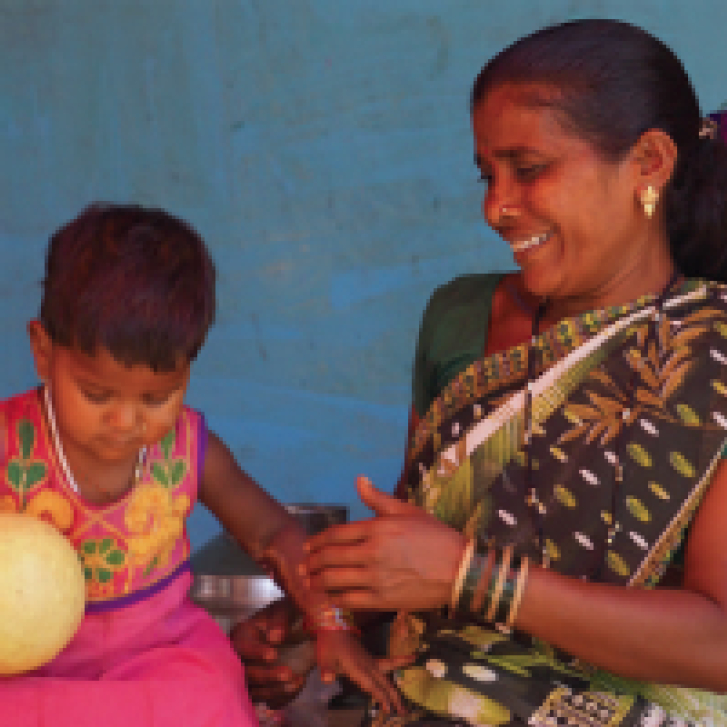
Swades Foundation is working to break nonprofit community development efforts out of their silos in India.
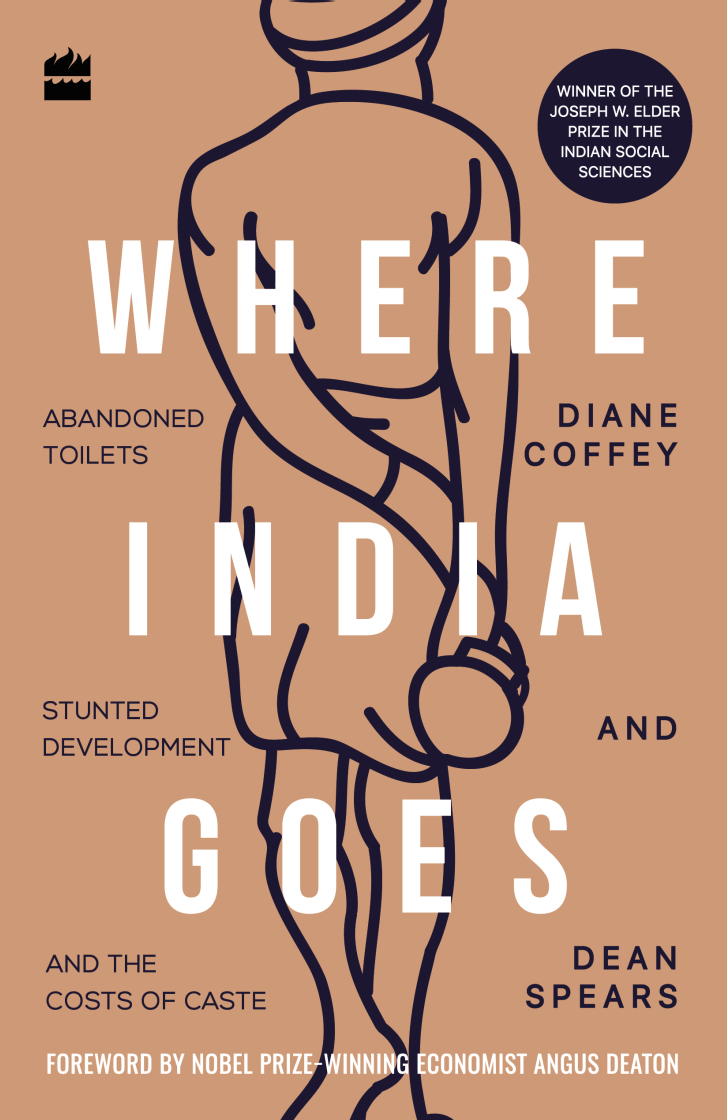
Ending open defecation isn't just about building more toilets—it's also about making sure the culture is receptive to new sanitation practices.

At a time of rising nationalism and cutbacks in foreign aid in countries around the world, philanthropists play a critical role, not just in providing money, but in fostering cooperation and goodwill between people and nations.
How successful Indian nonprofits reduce costs while extending impact, even when scarcity abounds.
How do India’s social innovators extend their reach to many constituents? They focus on the entire problem and adapt as they confront it.
Improving learning outcomes in India requires that funders and social purpose organizations shift to working on the entire educational ecosystem rather than focused interventions.
As the trailblazers who built India’s nonprofit sector begin to step aside, a new study shows that NGOs face a significant gap in next-generation leadership. There are barriers to bridging this gap and building blocks to surmount them, but progress depends on founders and funders viewing leadership development as mission critical.
To market to the base of pyramid, we need to stop thinking of selling as a dark art.
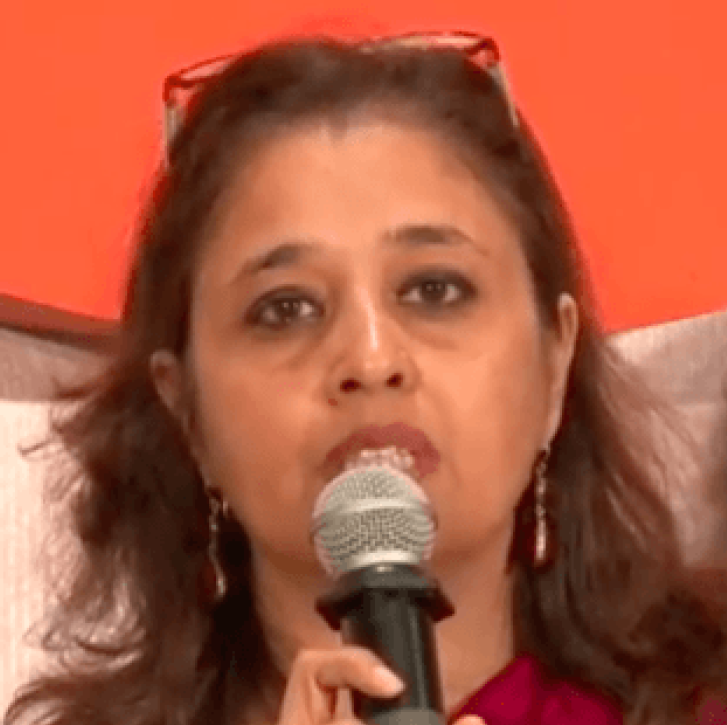
SSIR managing editor Eric Nee moderates a panel organized by the Indian strategic philanthropy foundation Dasra on supporting good governance in India.

An ambitious plan by Delhi's local government aims to give the city's poor better access to health care through neighborhood clinics.