Business
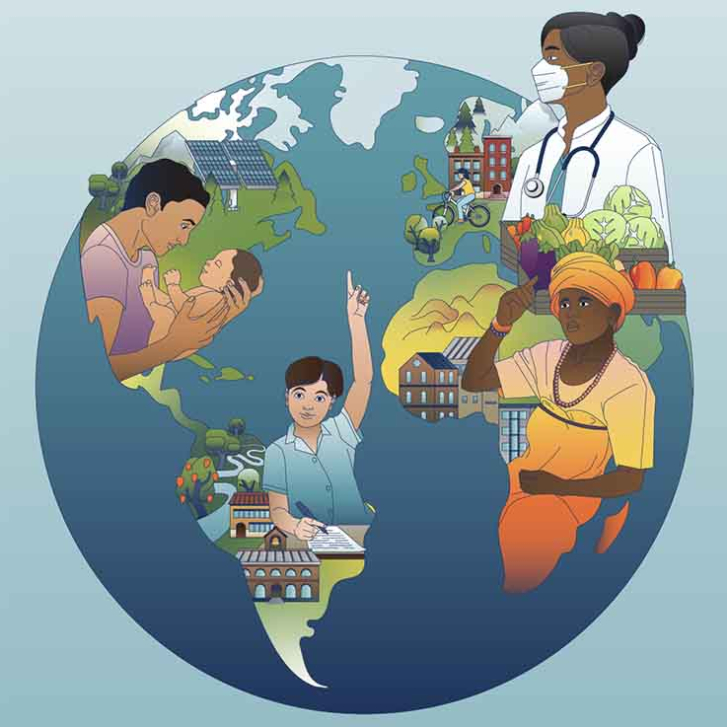
Putting the SDGs Back on Track
Worldwide SDG efforts are failing. How can businesses do their part to make things right?
Open access to this article is made possible by a research grant from E4S (Enterprise for Society Center)
Worldwide SDG efforts are failing. How can businesses do their part to make things right?
Open access to this article is made possible by a research grant from E4S (Enterprise for Society Center)
The pursuit of better social outcomes, not new products, should drive the international development community’s approach to innovative finance.
How philanthropists can learn to better partner with locally led organizations.
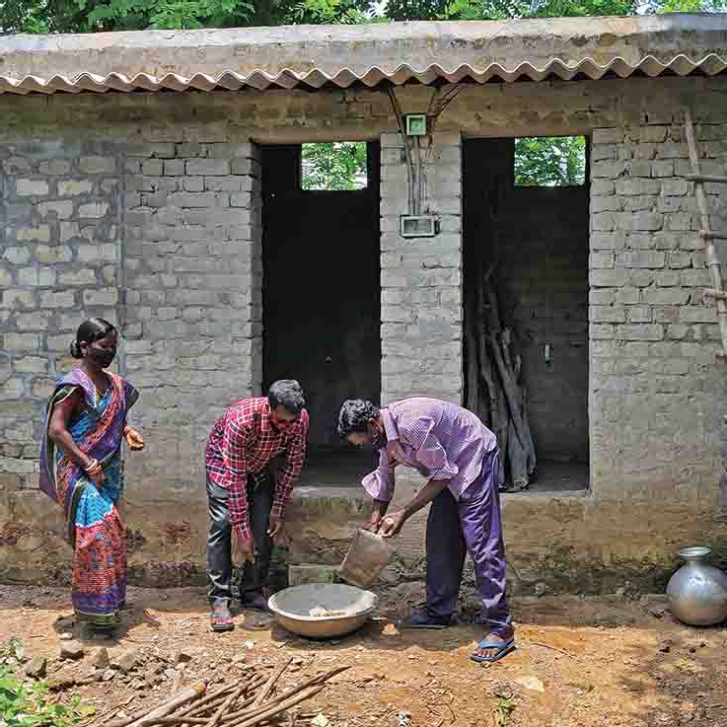
For more than four decades, Gram Vikas has been delivering equitable water and sanitation systems to deprived villages in rural India by training and encouraging them to take ownership of their solutions.
Years of implementing, studying, and iterating on cash transfer programs have revealed some important lessons about achieving long-term impact.
Education stops intergenerational transmission of disadvantages, Danish administrative data shows.
Economists have obsessed over the question of negative externalities, but market arrangements can also generate positive externalities. We should consider how to harness them for public good. | Open access to this article made possible by Harvard Business School Division of Research and Faculty Development
Stanford University’s Rural Education Action Program has established a one-of-a-kind research collaborative among Chinese, US, and European universities to improve the lot of rural Chinese families. Its success shows the potential of applying scientific methods to development and forging global partnerships for social impact.
The new public management model of governance has failed. But an emerging collaborative and democratic approach shows promise.
Research does no good if its insights are irrelevant or not applied. Ensuring that evidence influences policy requires developing the right ecosystem and levers for accountability.