Philanthropy & Funding
Building Financially Resilient Nonprofits: Lessons From the Field
“Resilience” is a favorite buzzword these days, but what does it really mean, and how can grantmakers and nonprofits take practical steps toward achieving it?
“Resilience” is a favorite buzzword these days, but what does it really mean, and how can grantmakers and nonprofits take practical steps toward achieving it?

Radical change is possible by adding six simple questions to MBA education.
Exposing the problems of policy schools can ignite new ways to realize the mission of educating public servants in the 21st century.
As technology morphs businesses, markets, and economies, we must reimagine how we educate future managers—the UN’s Sustainable Development Goals provide a North Star.
Reframing the questions we ask about values-driven leadership underlies a not-so-modest proposal to inspire and enable real change in management education and management practice.
Personal experience is central to the education and development of managers.
Business’s capacity to transform society is only as great as the schools that train its future leaders. This demands that business schools reform their vision to promote values of business serving society in order for students to see business as a true calling rather than simply a career. Here is a blueprint for management education in the 21st century.
Making sure everyone at your organization captures, synthesizes, and communicates data in the same way is a worthy investment of time and resources.
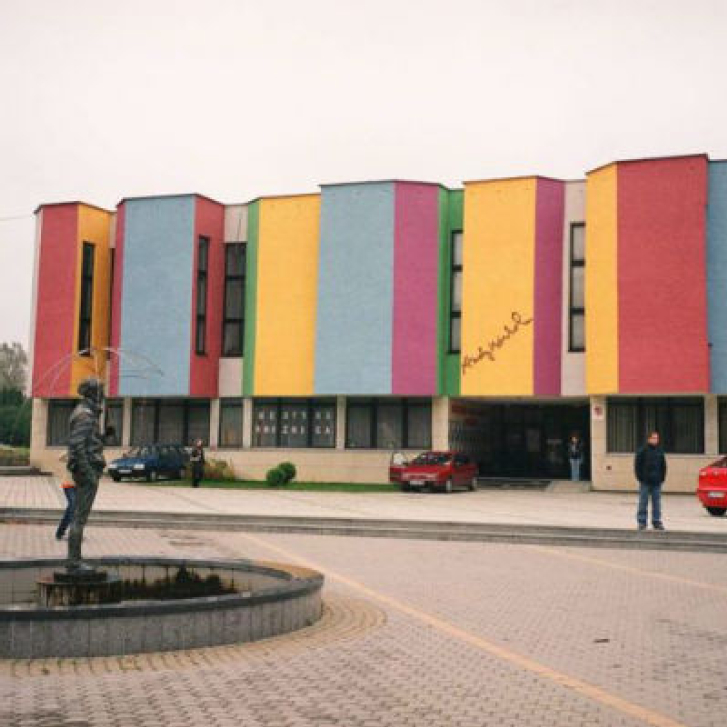
A look at how a set of unique partnerships and a new evaluative framework is supporting the development of more-inclusive, equitable art museum leadership.

Many boards experience friction as the organizations they govern mature from small teams associated with passionate founders and funders to professional groups powered by best practices. To succeed, they must evolve alongside their NGO.