


Environment
Returning Yulića: Lessons From Land Rematriation
How funders, sellers, and intermediaries can better support Indigenous “land back” initiatives.
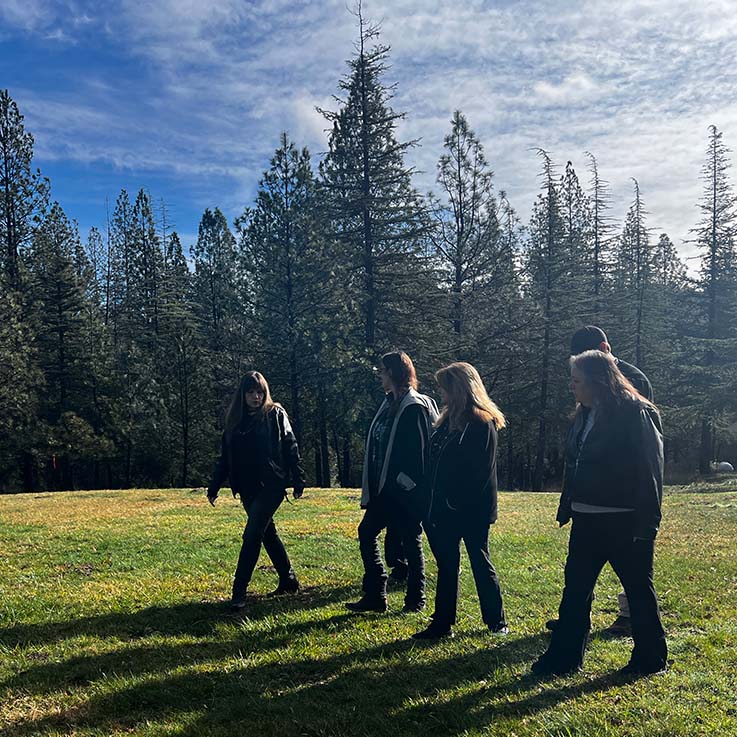
How funders, sellers, and intermediaries can better support Indigenous “land back” initiatives.
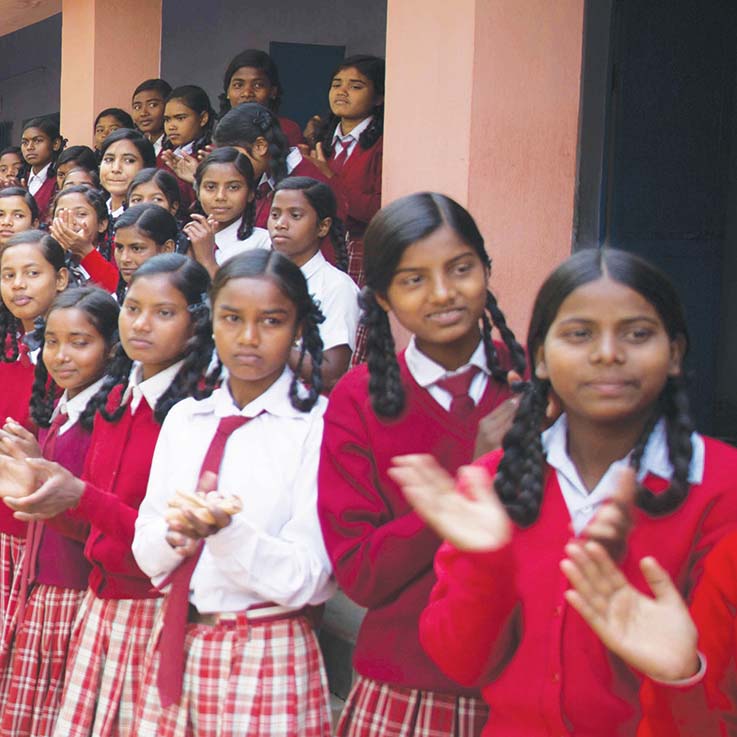
Storytelling provides the tools for engagement, education, and ultimately, movement building and systems transformation.

Four nonprofit leaders discuss their experiences using collective impact for collaborative, place-based change, including their views on the role of data and philanthropy, and what lies ahead for this field of work.

Climate justice means centering the Indigenous communities who have been on the ground implementing regenerative solutions.

Links to all of SSIR's online-only articles published the past three months, with editors' notes about standout pieces on fighting disinformation, Indigenous entrepreneurs, multigenerational innovations, and effective virtual boards.

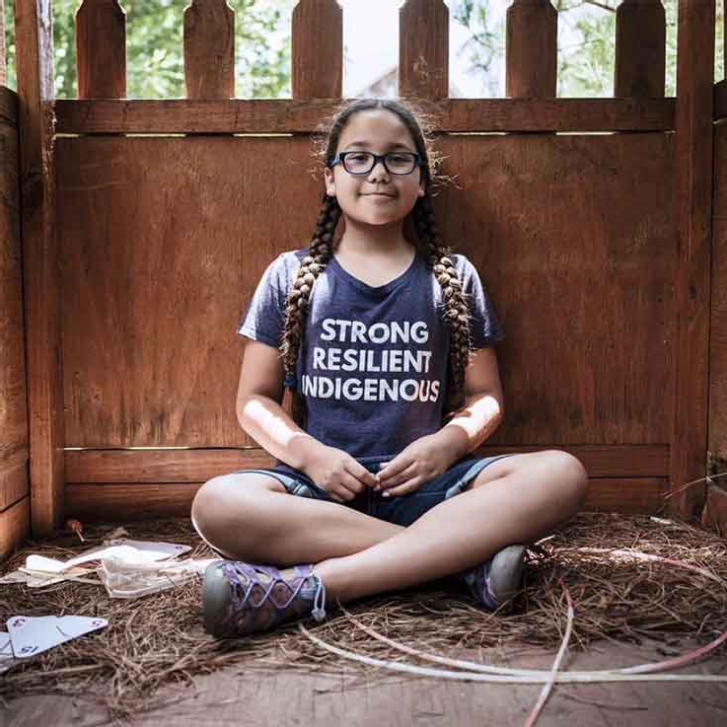
When real Native people are invisible in the media, false narratives and toxic stereotypes are the average American’s only exposure to Native realities.

Racial bias creeps into all parts of the philanthropic and grantmaking process. The result is that nonprofits led by people of color receive less money than those led by whites, and philanthropy ends up reinforcing the very social ills it says it is trying to overcome.
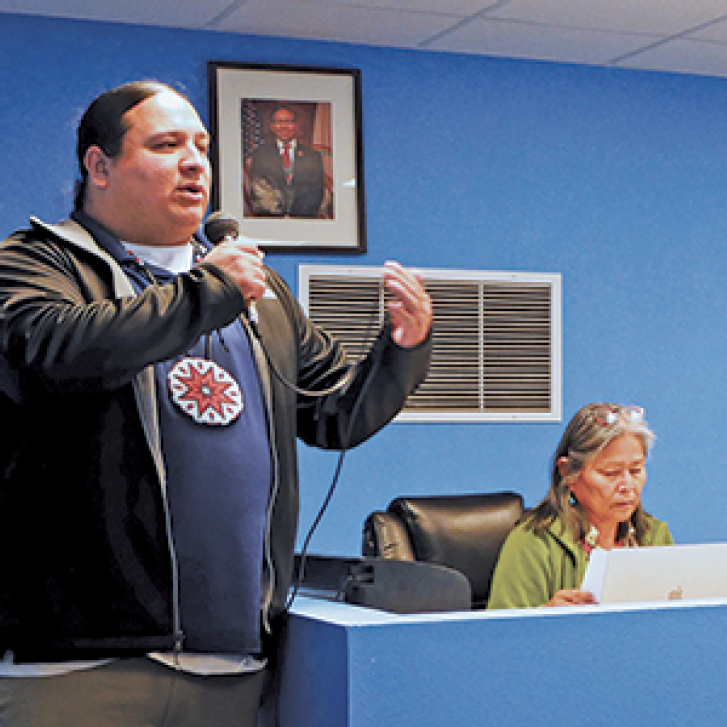
Less than 0.3 percent of philanthropic dollars go to indigenous communities, despite disproportionate poverty and challenges in vital areas such as education and infrastructure. The NDN Collective is shifting that balance. A What's Next article from the Spring 2020 issue.