


sponsored
Community Takes the Wheel
A new framework, Evidence2Success, gave the Children and Youth Cabinet a road map to put equity at the center of its work with young people.
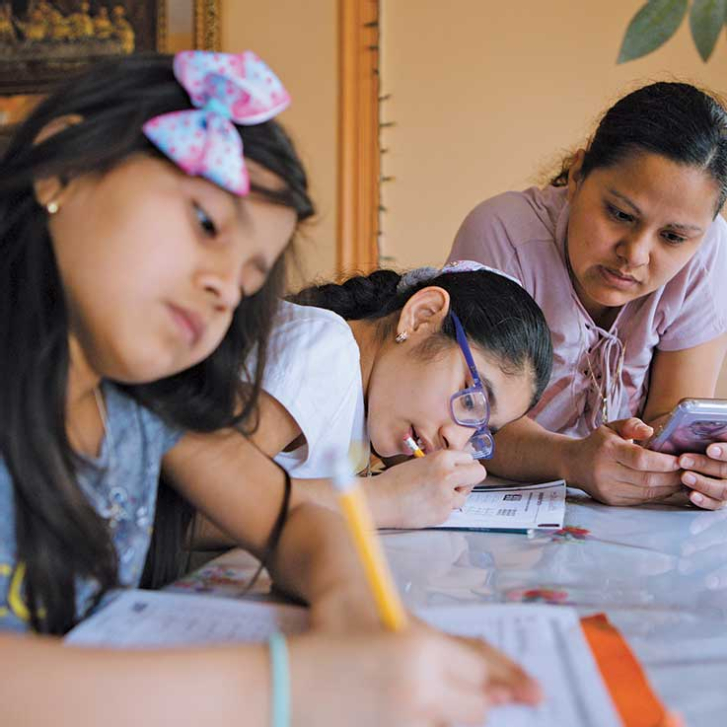
A new framework, Evidence2Success, gave the Children and Youth Cabinet a road map to put equity at the center of its work with young people.

Implementation researchers and practitioners must examine how the field can be truly equitable. A systemic approach offers a path forward.
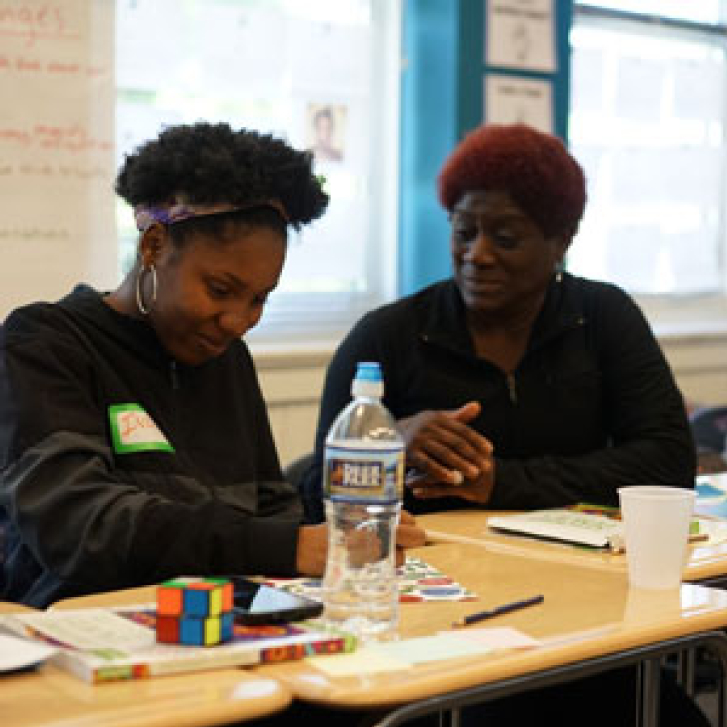
Black children experience racial discrimination in academic environments that actively deplete their self-worth. By accessing the cultural knowledge of Black parents, Village of Wisdom co-designed a liberatory approach to education.

Implementation science must recognize faith-based organizations as key leaders of change in underserved immigrant communities.
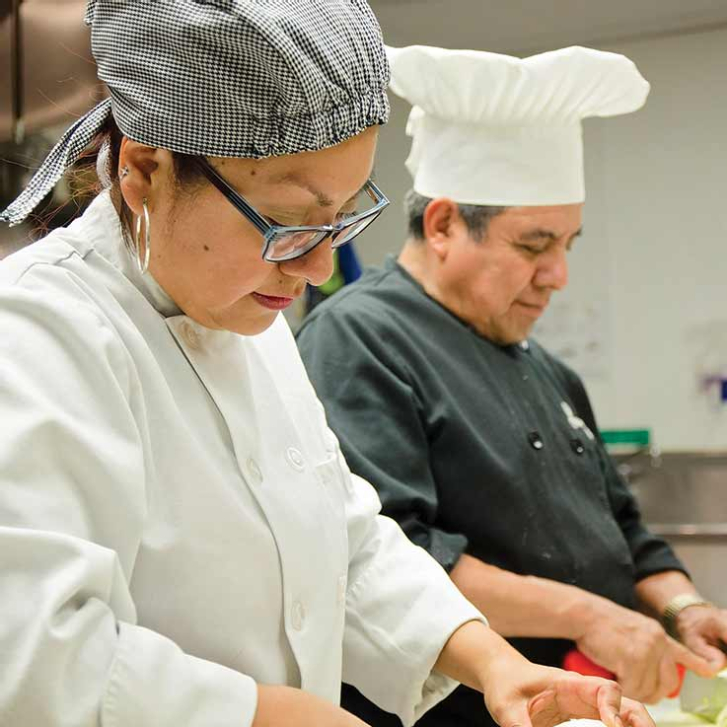
The Bienvenido Program engages Latinx communities to better understand their mental health concerns and to develop a program that meets their needs.

Intergenerational home-sharing provides younger adults with affordable housing and older adults with needed income and a way to age in place.
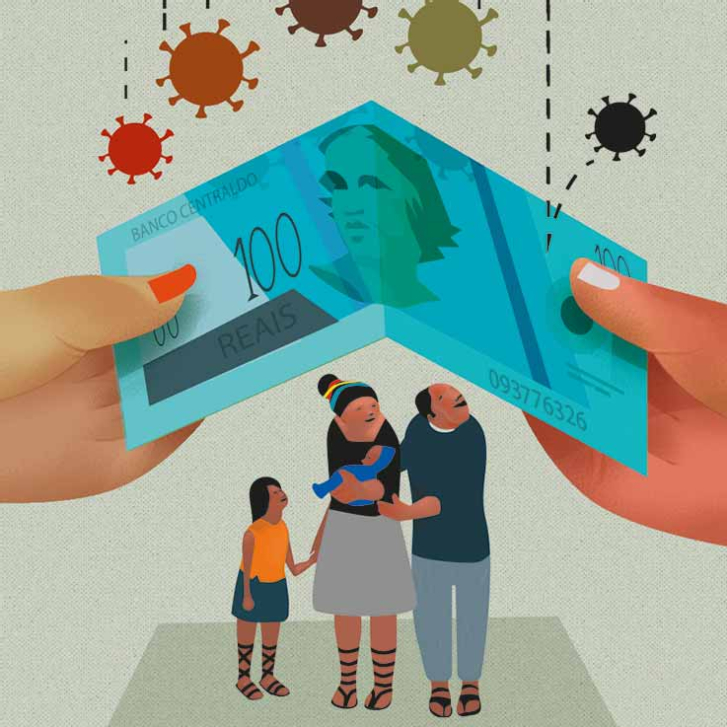
Brazilian civil society worked together to win basic income for the poor. Its success illustrates how organizations must interlock to secure rights and push for social change.
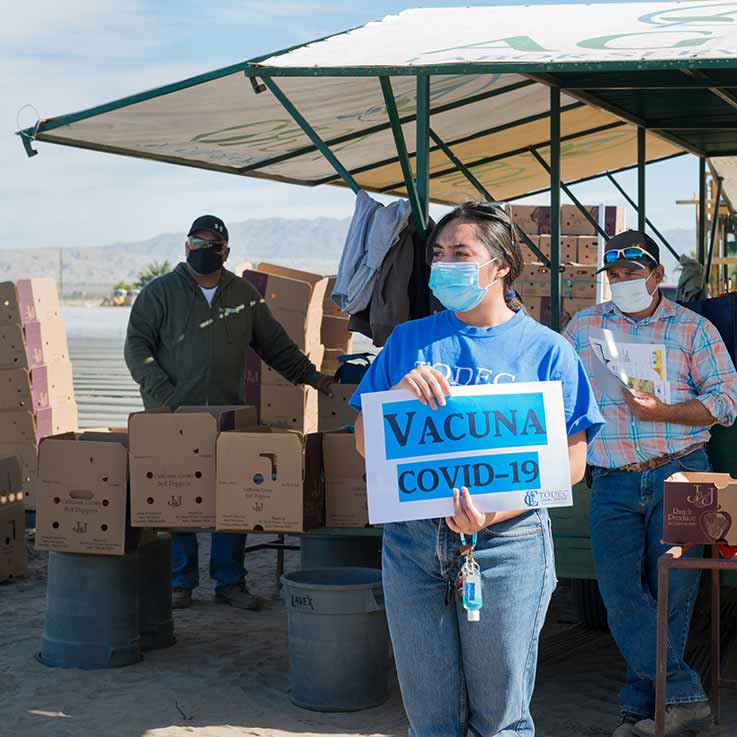
Four ways philanthropy can effectively partner with governments to support equitable vaccination distribution and ensure that more individuals are vaccinated against COVID-19.

How individuals and coalitions are orchestrating and activating neglected resources to help end the pandemic and build more resilient health systems.
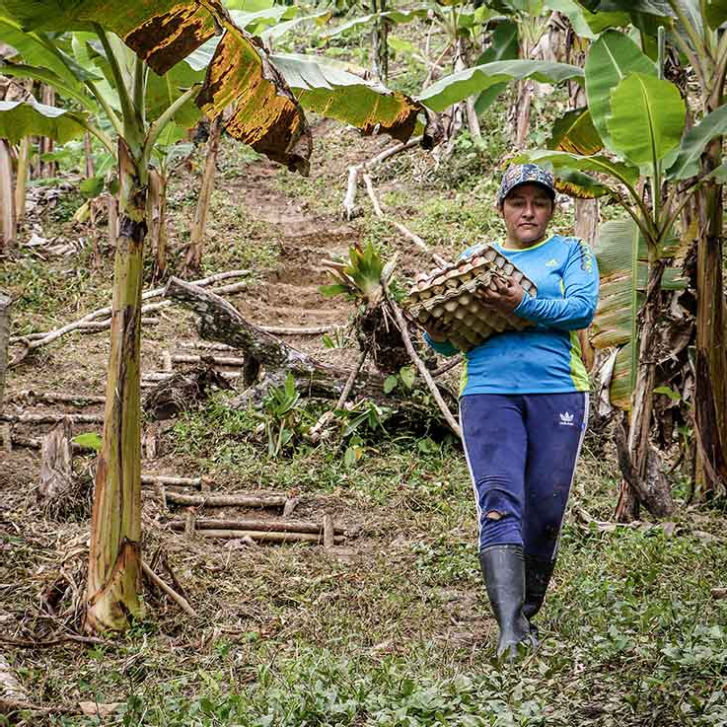
By focusing on three principles—shared goals, open acknowledgement of differing incentives, and the reduction of hierarchy and centralized strategy—organizations can build stronger partnerships, with an emphasis on action.