


Philanthropy & Funding
Transformative Philanthropy for Racial Justice
We created the Democracy Frontlines Fund to enable experienced anti-racist organizers to do their crucial work. They taught us how to do philanthropy better.
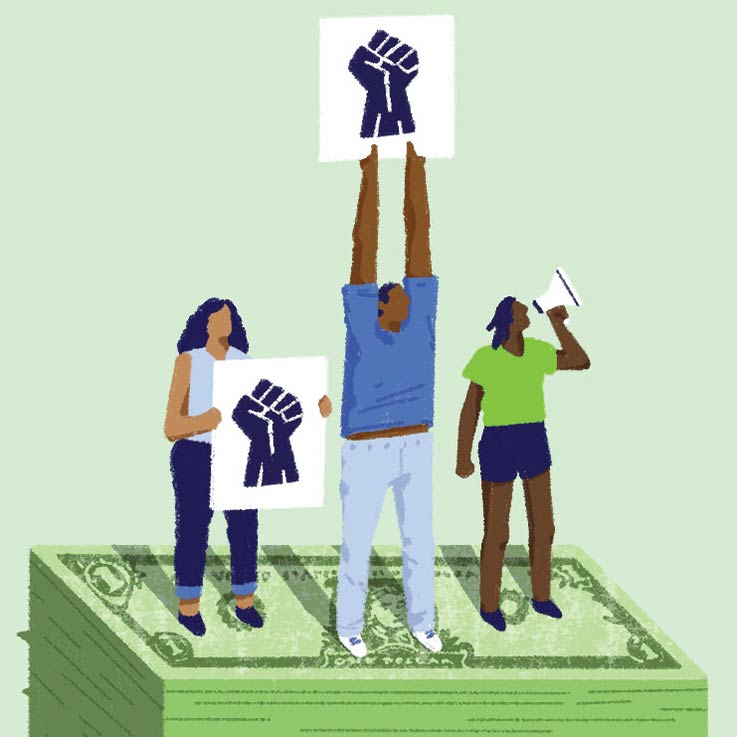
We created the Democracy Frontlines Fund to enable experienced anti-racist organizers to do their crucial work. They taught us how to do philanthropy better.

Cash transfer programs often struggle to reach those most in need. An investigation of four programs across Brazil, Ethiopia, Jordan, and Palestine revealed five features that lead to success.

Strategies like embracing urgency and putting egos aside are vital in a crisis. They might improve our day-to-day work as well.

As the United States struggles to vaccinate everyone in the nation, governments and community-based organizations trying to eliminate barriers to access for high-risk, rural, and remote communities must consider geography, partnerships, language, schedules, and technology.

Understanding how network members interact with each other is crucial to advancing their common aims.

A greater focus on co-created, measurable outcomes can help build trust between public, private, and social sector partners, and thus improve the effectiveness of outcomes-based contracting and the social programs they create.
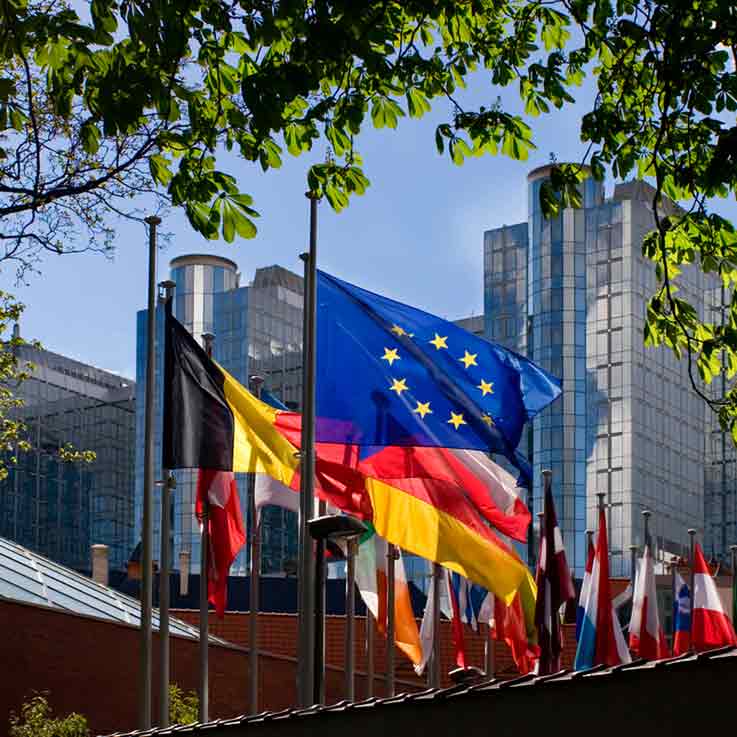
Sensible innovation policy design, targeted at innovations for the public good, can be a crucial tool in helping our societies recover and rebuild.

Centering equity in funding relationships requires trust. It also takes time, resources, and a willingness to shift power to the people closest to the problem.

Youth and young adults helped develop and implement a new initiative, Youth Thrive, that addresses the challenges they face in foster care.
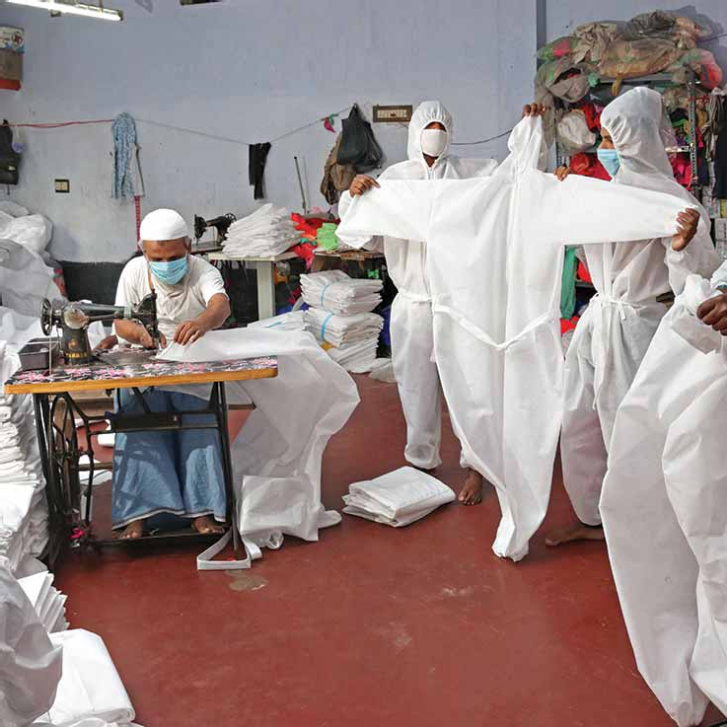
To address the COVID-19 pandemic and its economic disruptions, India’s government, businesses, and nonprofits had to work together. Their experience provides lessons for the world on crisis management.