


Collaboration
Two Experiments With Outcomes Frameworks
The new public management model of governance has failed. But an emerging collaborative and democratic approach shows promise.
The new public management model of governance has failed. But an emerging collaborative and democratic approach shows promise.
Research does no good if its insights are irrelevant or not applied. Ensuring that evidence influences policy requires developing the right ecosystem and levers for accountability.
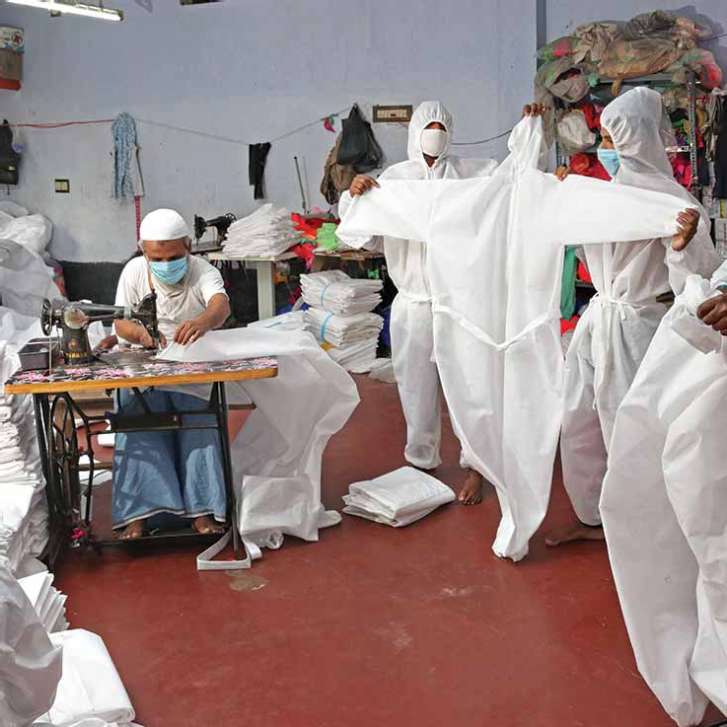
To address the COVID-19 pandemic and its economic disruptions, India’s government, businesses, and nonprofits had to work together. Their experience provides lessons for the world on crisis management.
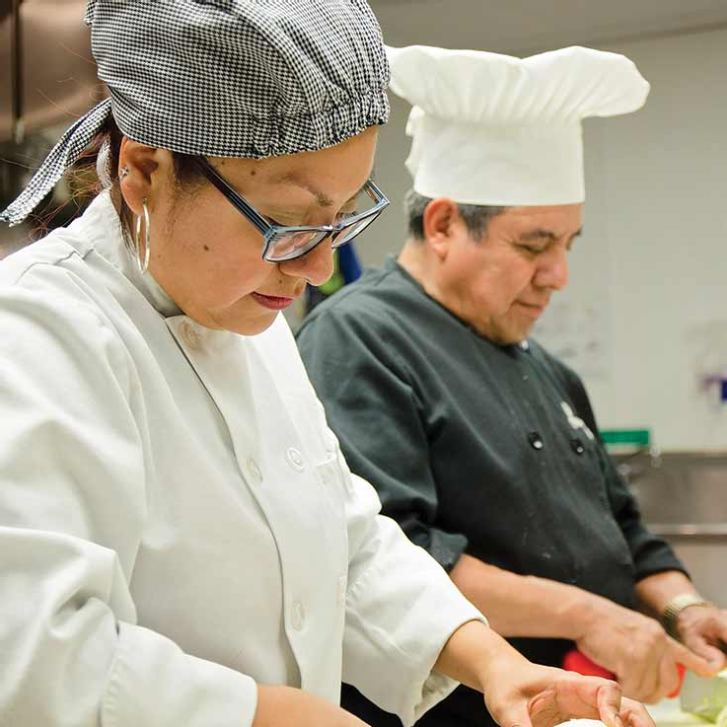
The Bienvenido Program engages Latinx communities to better understand their mental health concerns and to develop a program that meets their needs.
To reduce mortality for people experiencing cardiovascular health disparities, new innovations in health care must be implemented with strategic partnerships that involve trusted organizations and community members.
Frontline professionals are obligated to serve everyone who comes through their doors. Researchers investigate how they balance risk, moral emotions, and fear during a global health emergency.
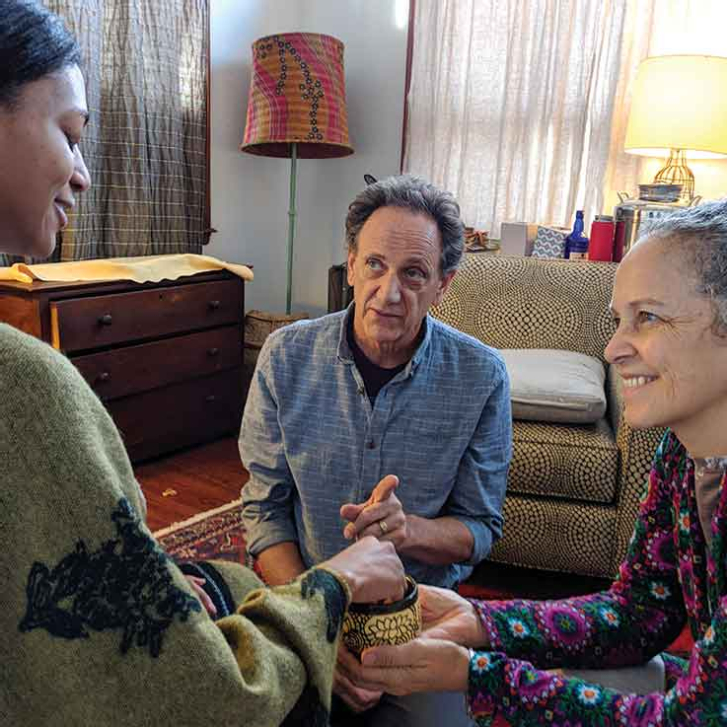
Rick Doblin launched the Multidisciplinary Association for Psychedelic Studies in 1986 to research and advocate for the use of LSD, magic mushrooms, and Ecstasy to treat mental illness. After more than three decades of labor, he has found his moment.

What the 2020 US presidential election can teach us about the need for new knowledge in the digital age.
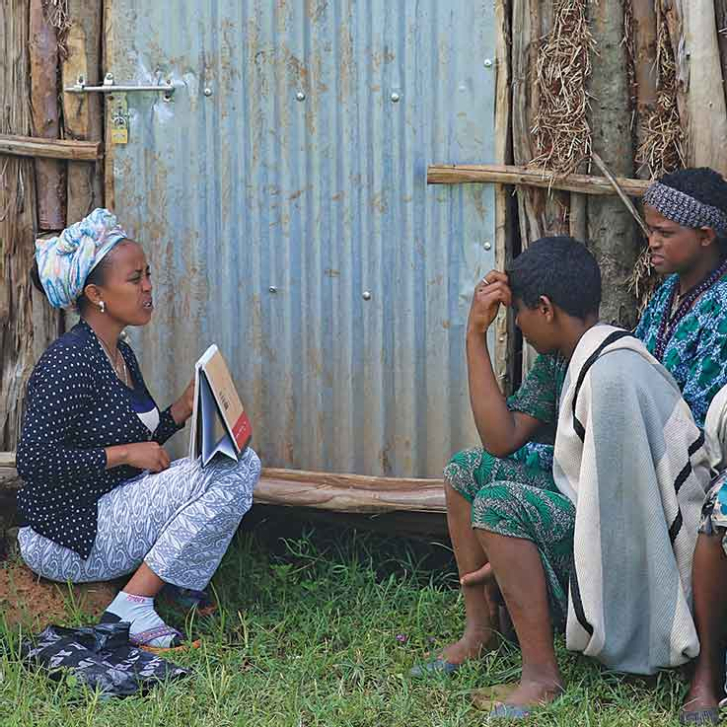
To address more complex social challenges, design thinking must become radically more collaborative and oriented toward systems change.
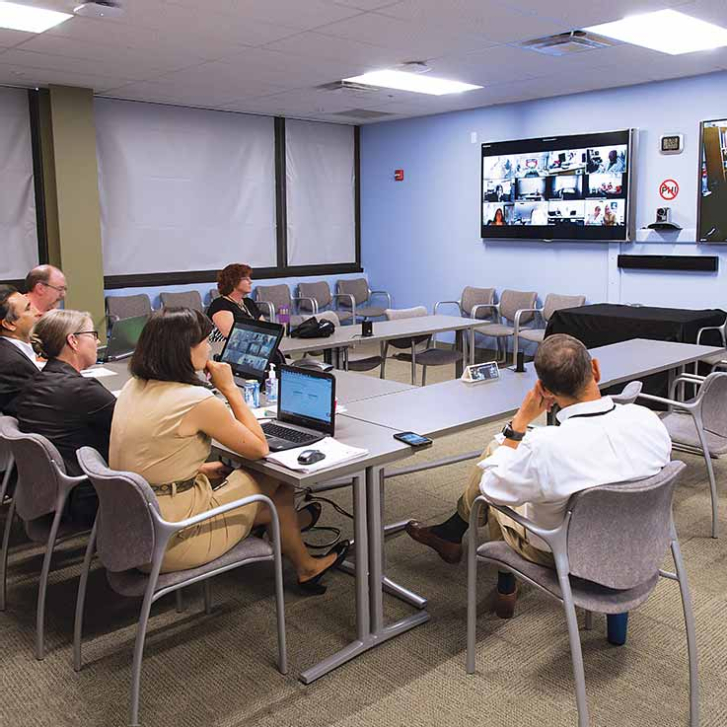
Project ECHO developed a revolutionary model for helping doctors and clinicians in New Mexico to treat hepatitis C. It spread around the world to address numerous chronic diseases. With the COVID-19 pandemic, it found its moment.