


Cities
Seeking Rentals While Latino
Low-income white families in Los Angeles have easier time finding new rental housing than low-income Latino families because of access to greater resources and social networks.

Low-income white families in Los Angeles have easier time finding new rental housing than low-income Latino families because of access to greater resources and social networks.


An excerpt from From White Folks Who Teach in the Hood on unplugging from the nonprofit industrial matrix

Understanding the historical roots of many foundation endowments is a critical step in considering the question of philanthropic reparations.
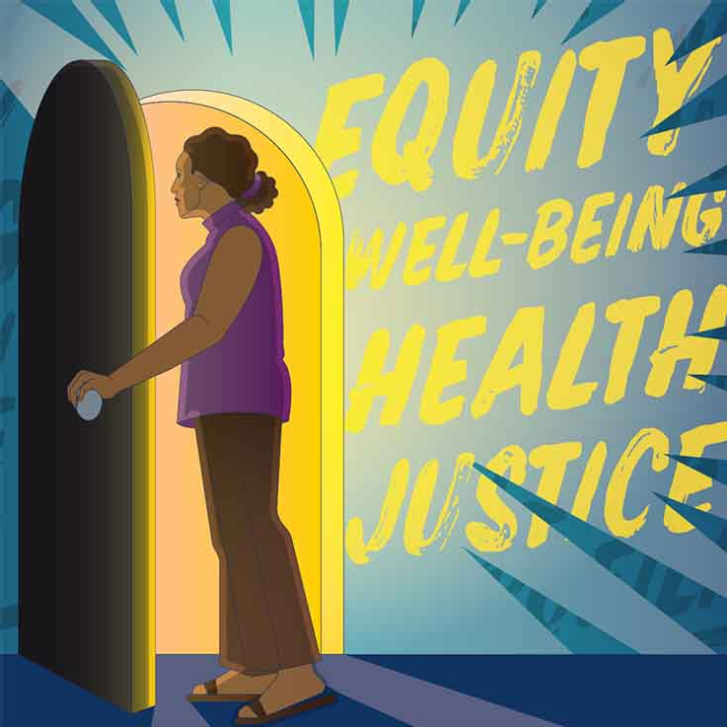
Two global health practitioners explore how anti-racist policies and practices in global communities can inform efforts across borders to build a more equitable, healthy world.


Women of color confront multiple forms of invisibility in the workplace.

In discussions of diversity, equity, and inclusion, the table is frequently used as a symbol of inclusion. Whether by design or default, the table is accepted as a place to ameliorate issues of marginalization, exclusion, neglect, discrimination, and other harms.

Three social change leaders discuss how to move the narrative about housing away from a focus on individual actions toward values, racial justice, and the well-being of all.

To create just, equitable, and self-determined tech futures that work for everyone, we need to center and support voices from the communities most impacted by tech’s biases and harms. A more just tech future requires deep investment in people to make space for visioning and creation, not simply tech solutions.

Invisible Hate is a digital platform that informs the public about the racist history of America’s Confederate monuments so that they can take action.