Foundations
Systems Change in a Polarized Country
A growing number of US foundations are adopting practices based on systems change to achieve their goals in the current political environment.

A growing number of US foundations are adopting practices based on systems change to achieve their goals in the current political environment.

What should strategic communication in the public and social change sectors look like in a time marked by extreme political polarization and false information? Science suggests the key may be playing offense, rather than defense.

It’s time for activists and organizations to adopt a more strategic approach to public interest communications.
A new, bipartisan curriculum aims to help US students make sense of a highly polarized country.

To make progress on ideologically or politically sticky issues, social sector organizations must reshape their messaging to do more than cite facts; they must use smart storytelling and craft solutions that don’t require those they want to reach to sacrifice their values.
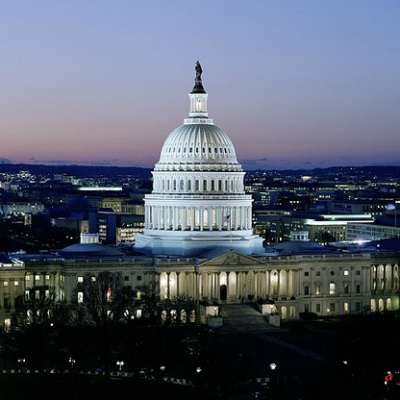
The imperative to invest in risky collaboration has never been greater.
Higher voter turnout in those primaries would help prevent polarization and encourage a well-functioning legislature.
To address 21st-century problems, we need to build a civic infrastructure that serves all members of society, especially those on the margins.
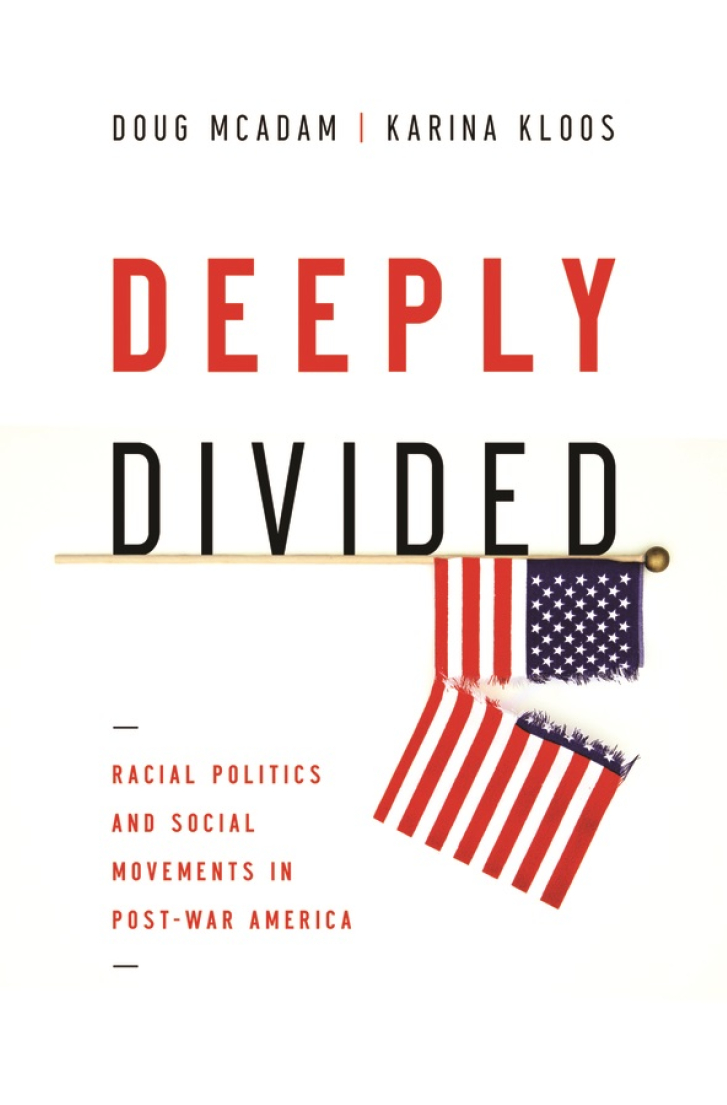
Deeply Divided: Racial Politics and Social Movements in Post-War America offers a sweeping look at political and economic divisions in American politics over the past century.
If the Hewlett Foundation’s Madison Initiative wants to strengthen American democracy, it needs to adopt a more multi-layered democratic theory.