


Finding the Right Messenger for Your Message
Trusted messengers are important to the success of any advocacy campaign. Here are eight archetypes and four audience contexts to help organizers find the right ones.

Trusted messengers are important to the success of any advocacy campaign. Here are eight archetypes and four audience contexts to help organizers find the right ones.

While traditional scientific methods are not well suited for assessing advocacy, evaluation is necessary for making informed decisions about what meaningful and realistic outcomes to seek from human rights advocacy.

Long hailed as a major piece of the climate solution, sustainable business practices have not only fallen short: They even enable the continued dominance of fossil fuel.

How social innovation can reshape a century of generational separation in the United States, and bring together the talents of young and old to improve life for all.
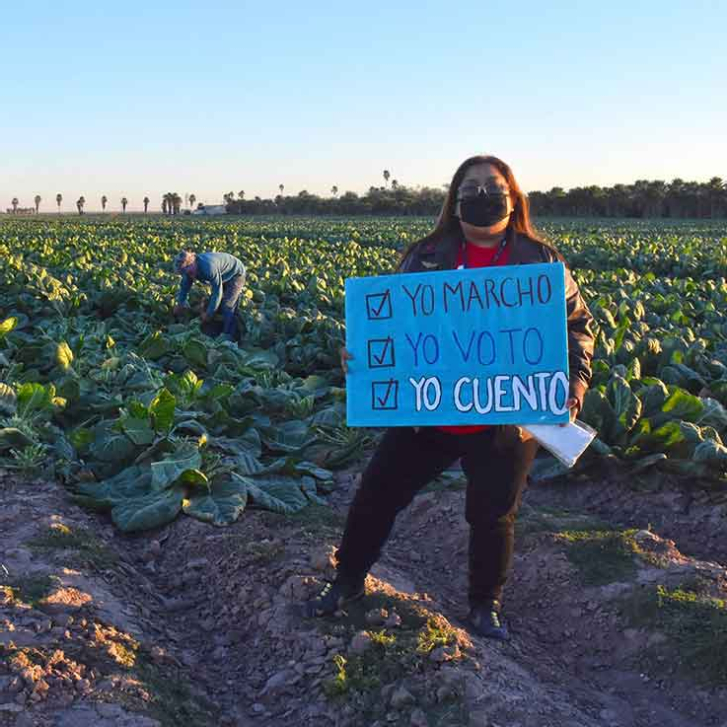
Five things to know about the US Latinx electorate, and how continued community organizing and movement building can shift America toward a more inclusive democracy.


Professionalism has become coded language for white favoritism in workplace practices that more often than not leave behind people of color. This is the fourth of 10 articles in a special series about diversity, equity, and inclusion.

Five principles based in social science that will help organizations connect their work to what people care most about.

Conventional wisdom says that scaling social innovation starts with strengthening internal management capabilities. This study of 12 high-impact nonprofits, however, shows that real social change happens when organizations go outside their own walls and find creative ways to enlist the help of others.

It’s time for activists and organizations to adopt a more strategic approach to public interest communications.

Since 1970, more than 200,000 nonprofits have opened in the U.S., but only 144 have reached $50 million in annual revenue. They got big by doing two things: They raised the bulk of their money from a single type of funder. And just as importantly, these nonprofits created professional organizations that were tailored to the needs of their primary funding sources.