


Storytelling and Social Change
How do stories work to expand and accelerate impact? A roundtable discussion between four storytellers and leaders of change on narrative's power to reach and inspire new audiences.

How do stories work to expand and accelerate impact? A roundtable discussion between four storytellers and leaders of change on narrative's power to reach and inspire new audiences.

A well-told story can inspire people to engage with social and environmental issues, but how do nonprofits channel that energy into behaviors that make a difference? Behavioral science can help point the way.

Organizations must connect their causes to the personal aspirations of their audiences to transform public attitudes. A feature story from the Winter 2020 issue.
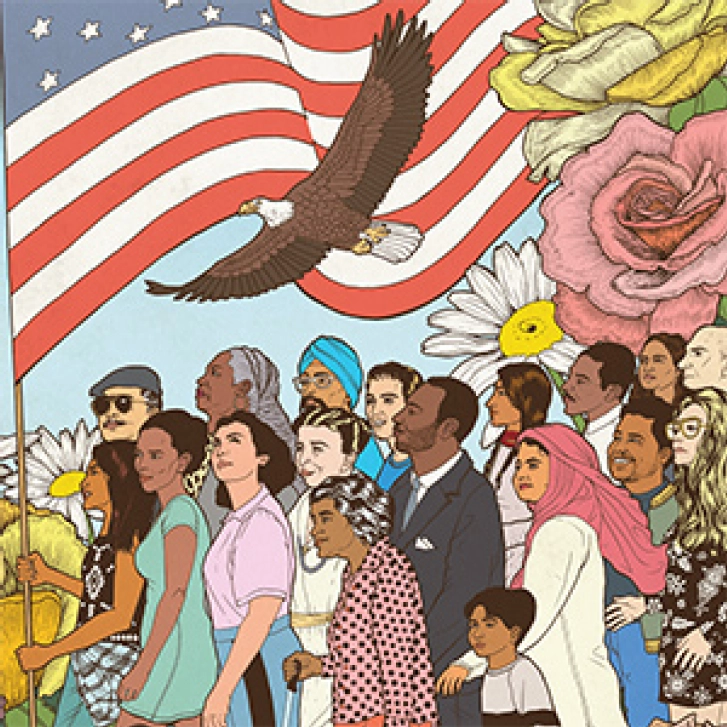
Organizers renew democracy by building the capacity it requires. Part of the Winter 2020 issue's Realizing Democracy supplement funded by the Ford Foundation.

Powerful organization, rather than efficient mobilization, is the way to re-center people in our political life. Part of the Winter 2020 issue's Realizing Democracy supplement funded by the Ford Foundation.


Professionalism has become coded language for white favoritism in workplace practices that more often than not leave behind people of color. This is the fourth of 10 articles in a special series about diversity, equity, and inclusion.

Five principles based in social science that will help organizations connect their work to what people care most about.

Conventional wisdom says that scaling social innovation starts with strengthening internal management capabilities. This study of 12 high-impact nonprofits, however, shows that real social change happens when organizations go outside their own walls and find creative ways to enlist the help of others.

It’s time for activists and organizations to adopt a more strategic approach to public interest communications.

Since 1970, more than 200,000 nonprofits have opened in the U.S., but only 144 have reached $50 million in annual revenue. They got big by doing two things: They raised the bulk of their money from a single type of funder. And just as importantly, these nonprofits created professional organizations that were tailored to the needs of their primary funding sources.