


Collective Intelligence
An excerpt from The Imperfectionists on problem-solving in uncertainty
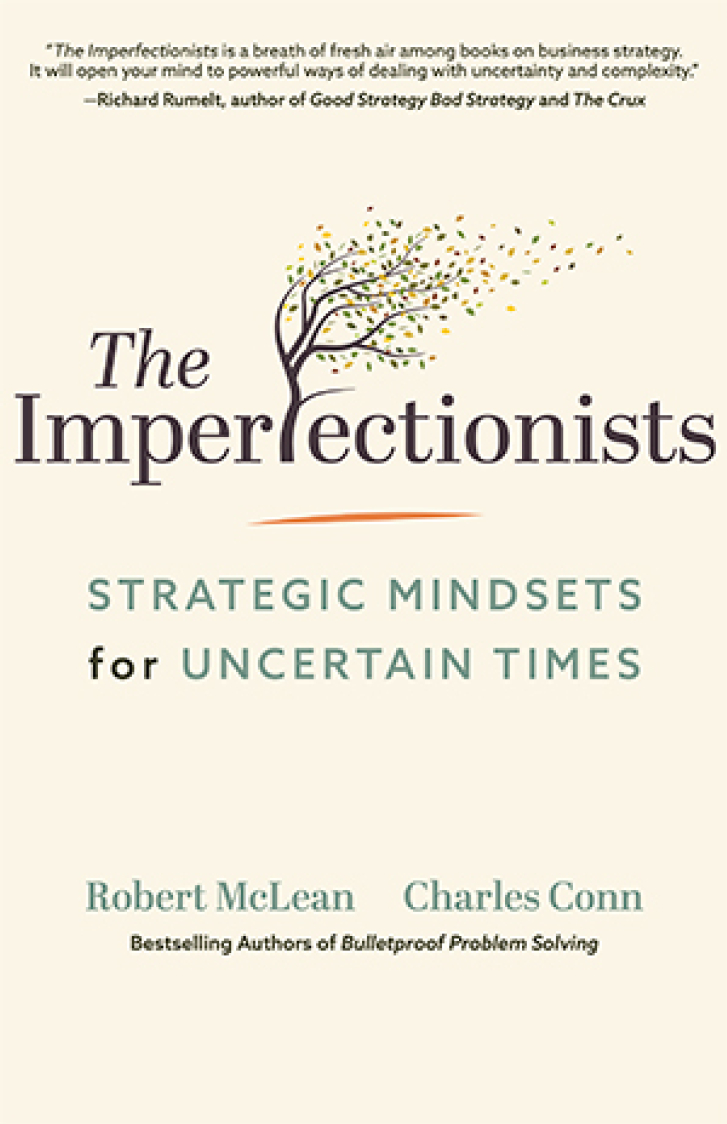
An excerpt from The Imperfectionists on problem-solving in uncertainty

The gig economy has upended the traditional employer-employee relationship and informalized work globally. Now workers around the world are pushing back.

How public, for-profit, and civic organizations working to address the same city-wide social challenge can find a common starting point.

Technology is driving advancements in the workplace, but it’s imperative for companies to invest in workers to make progress on social and business goals.

Technology enables companies to monitor their employees constantly. But workers are organizing to fight back.


With an understanding of these 10 funding models, nonprofit leaders can use the for-profit world's valuable practice of engaging in succinct and clear conversations about long-term financial strategy.

The key to creating a vibrant and sustainable company is to find ways to get all employees personally engaged in day-to-day corporate sustainability efforts.

The era of corporations integrating sustainable practices is being surpassed by a new age of corporations actively transforming the market to make it more sustainable. Open access to this article is made possible by The Regents of the University of Michigan on behalf of the Erb Institute.

Business leaders play vital roles in the nonprofit sector – as board members, donors, partners, and even executives. Yet all too often they underestimate the unique challenges of managing nonprofit organizations.

Understanding these six important differences will both facilitate better conversations and help channel funds appropriately.