

Nondisruptive Creation
An excerpt from Beyond Disruption on positive-sum innovation
An excerpt from Beyond Disruption on positive-sum innovation

The fashion industry could decrease its environmental impact by shifting its sources of revenue from material and energy to labor.

Rather than canning the circular-economy concept altogether, business leaders and policy makers should prioritize sufficiency over recycling.

Collaboration is an essential driver for discovering and scaling innovative approaches that can move the fashion industry toward circularity.
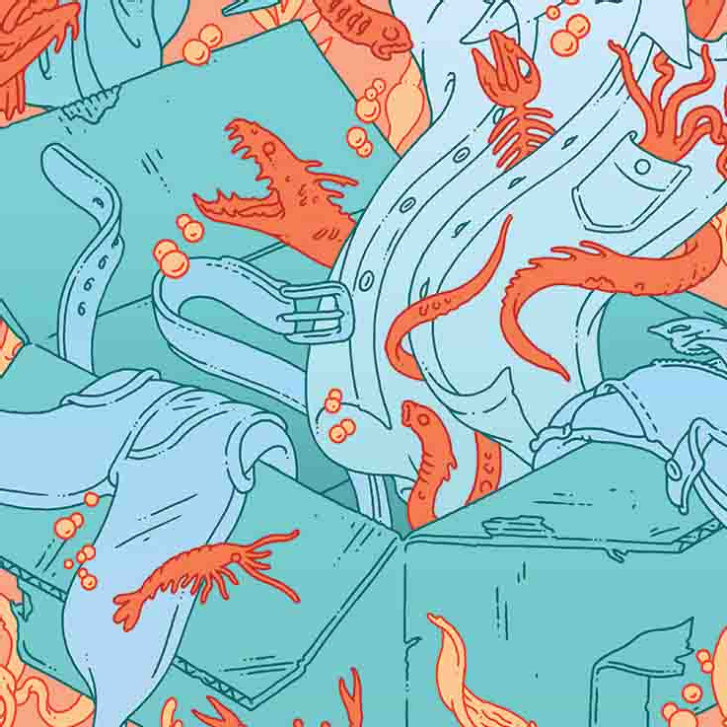
As the fashion industry’s environmental footprint attracts increasingly negative attention, circular business models are promoting opportunities to sustain growth by decoupling revenue streams from resource use.
In this Up for Debate series, Ken Pucker, former Timberland COO, explains the industry’s turn to circularity and the barriers to its adoption, then researchers and experts in the sector respond.


With an understanding of these 10 funding models, nonprofit leaders can use the for-profit world's valuable practice of engaging in succinct and clear conversations about long-term financial strategy.

The key to creating a vibrant and sustainable company is to find ways to get all employees personally engaged in day-to-day corporate sustainability efforts.

The era of corporations integrating sustainable practices is being surpassed by a new age of corporations actively transforming the market to make it more sustainable. Open access to this article is made possible by The Regents of the University of Michigan on behalf of the Erb Institute.

Business leaders play vital roles in the nonprofit sector – as board members, donors, partners, and even executives. Yet all too often they underestimate the unique challenges of managing nonprofit organizations.

Understanding these six important differences will both facilitate better conversations and help channel funds appropriately.