


There Is No Such Thing as Impact Investing
There is philanthropic investing, and there is commercial investing, and there is nothing in between.
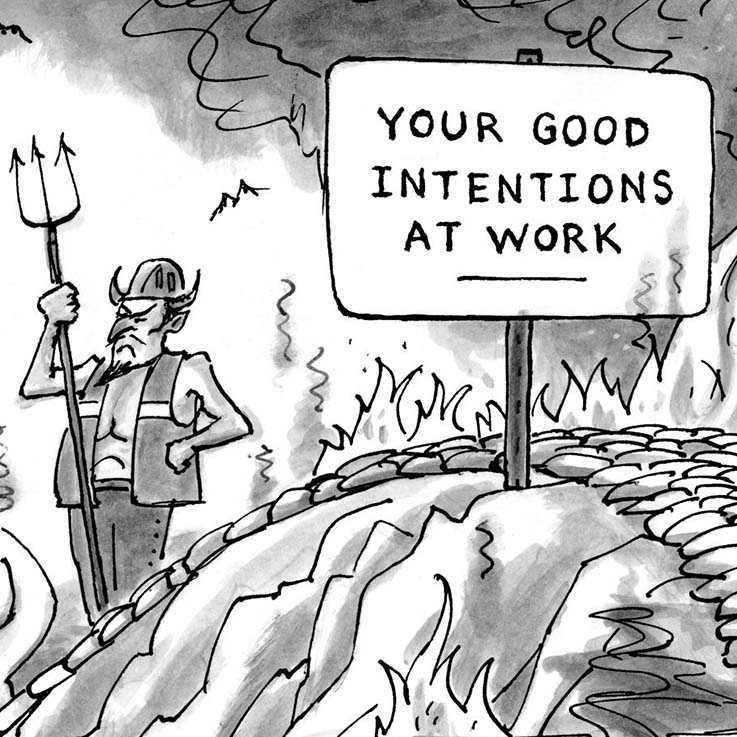
There is philanthropic investing, and there is commercial investing, and there is nothing in between.

Employees experiencing mental illness successfully manage their symptoms by disengaging from some aspects of their jobs and engaging in others.

The concentration of AI funding in profit-driven applications has the potential to drive widening inequalities in three critical ways.

An excerpt from You Must Become an Algorithmic Problem on the internet’s social contract

The changing nature of jobs means workers need new education and training infrastructure to match.


With an understanding of these 10 funding models, nonprofit leaders can use the for-profit world's valuable practice of engaging in succinct and clear conversations about long-term financial strategy.

The key to creating a vibrant and sustainable company is to find ways to get all employees personally engaged in day-to-day corporate sustainability efforts.

The era of corporations integrating sustainable practices is being surpassed by a new age of corporations actively transforming the market to make it more sustainable. Open access to this article is made possible by The Regents of the University of Michigan on behalf of the Erb Institute.

Business leaders play vital roles in the nonprofit sector – as board members, donors, partners, and even executives. Yet all too often they underestimate the unique challenges of managing nonprofit organizations.

Understanding these six important differences will both facilitate better conversations and help channel funds appropriately.