


The Problem With Fair Trade Coffee
Fair Trade-certified coffee is growing in sales, but strict certification requirements are resulting in uneven economic advantages for coffee growers and lower quality coffee for consumers.

Fair Trade-certified coffee is growing in sales, but strict certification requirements are resulting in uneven economic advantages for coffee growers and lower quality coffee for consumers.
Several social enterprises are attempting to provide eyeglasses to the 500 million to 1 billion poor people who need them. Why haven’t any of the organizations succeeded on a large scale?
Acumen Fund uses impact investing to tackle global poverty. It's approach has garnered attention, but does it change aid?
Google DotOrg launched in 2004 with bold ambitions and almost $1 billion in seed funding. But the results have been less than stellar.
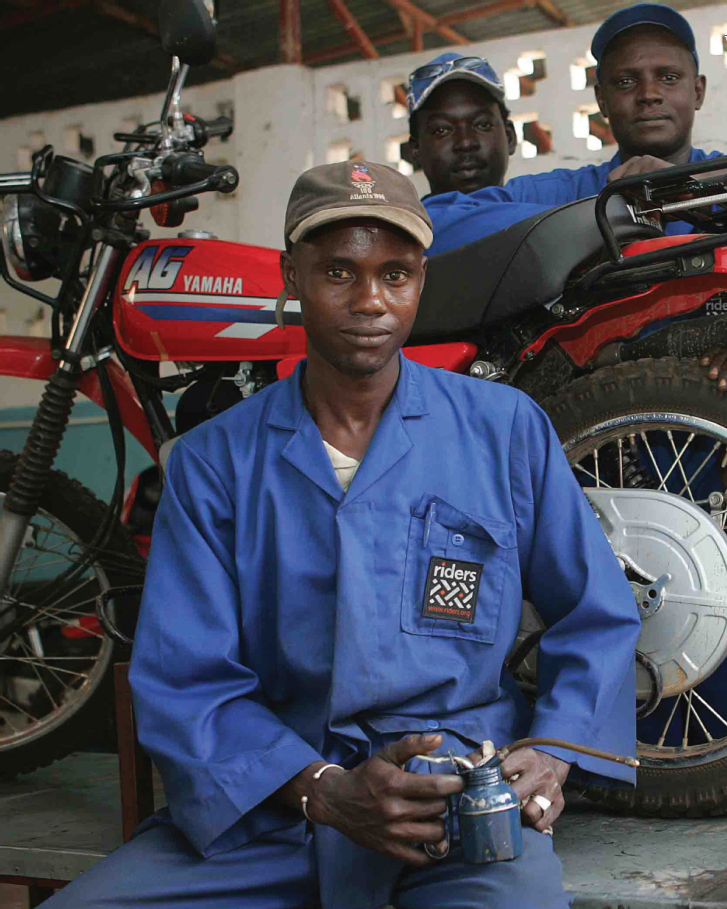
Riders for Health has created a novel approach to maintaining health transport vehicles in sub-Saharan Africa.

Fair Trade-certified coffee is growing in sales, but strict certification requirements are resulting in uneven economic advantages for coffee growers and lower quality coffee for consumers.

For much of its history, Wal-Mart’s corporate management team toiled inside its “Bentonville Bubble,” narrowly focused on operational efficiency, growth, and profits. But now the world's largest retailer has widened its sights, building networks of employees, nonprofits, government agencies, and suppliers to “green” its supply chains. Here's how and why the world’s largest retailer is using a network approach to decrease its environmental footprint – and to increase its profitability.
Why Kiva chose to be a 501(c)(3), what this tax status buys the organization, and how being a nonprofit poses challenges.
Google DotOrg launched in 2004 with bold ambitions and almost $1 billion in seed funding. But the results have been less than stellar.

In August 2010 the US government closed ShoreBank, one of the country’s leading social enterprises. Why did ShoreBank fail?