


Sexually Transmitted Altruism
DKT International, founded by one of the largest erotica distributors in the United States, provides contraceptives to approximately 50 million people a year in the developing world.
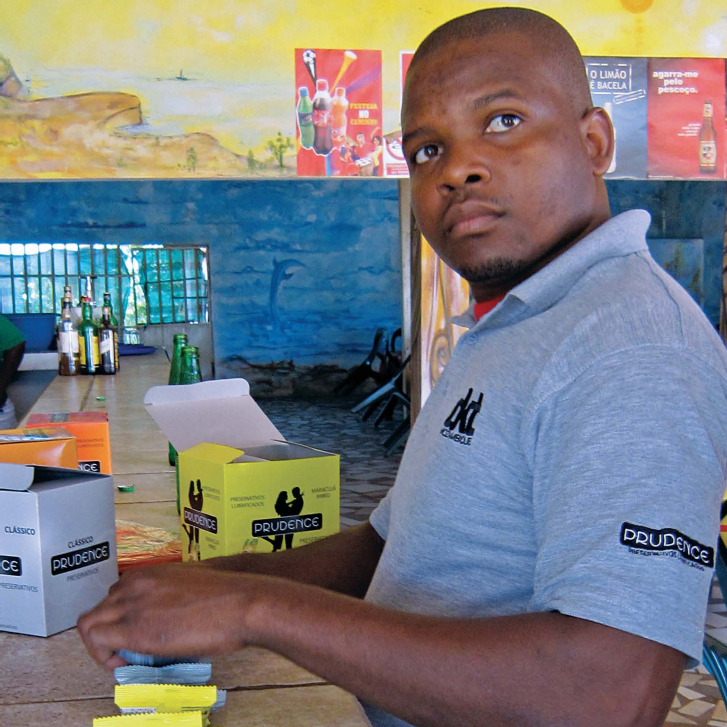
DKT International, founded by one of the largest erotica distributors in the United States, provides contraceptives to approximately 50 million people a year in the developing world.

The Barr Fellows Network is changing the way work gets done in Boston’s large and entrenched social sector.

The UK microcredit business Fair Finance is paving the road for the growth of microfinance in the developed world.

In 2008, a group of Chicago’s social service agencies formed the Back Office Cooperative, which has produced impressive financial savings. Yet greater efficiency has had a cultural cost.

In August 2010 the US government closed ShoreBank, one of the country’s leading social enterprises. Why did ShoreBank fail?


Fair Trade-certified coffee is growing in sales, but strict certification requirements are resulting in uneven economic advantages for coffee growers and lower quality coffee for consumers.

For much of its history, Wal-Mart’s corporate management team toiled inside its “Bentonville Bubble,” narrowly focused on operational efficiency, growth, and profits. But now the world's largest retailer has widened its sights, building networks of employees, nonprofits, government agencies, and suppliers to “green” its supply chains. Here's how and why the world’s largest retailer is using a network approach to decrease its environmental footprint – and to increase its profitability.

Why Kiva chose to be a 501(c)(3), what this tax status buys the organization, and how being a nonprofit poses challenges.

Google DotOrg launched in 2004 with bold ambitions and almost $1 billion in seed funding. But the results have been less than stellar.
In August 2010 the US government closed ShoreBank, one of the country’s leading social enterprises. Why did ShoreBank fail?