


Cause for Reflection
The story of Cause, a “philanthropub” that closed 14 months after it opened, offers vital lessons for aspiring social entrepreneurs. Includes magazine extras.

The story of Cause, a “philanthropub” that closed 14 months after it opened, offers vital lessons for aspiring social entrepreneurs. Includes magazine extras.
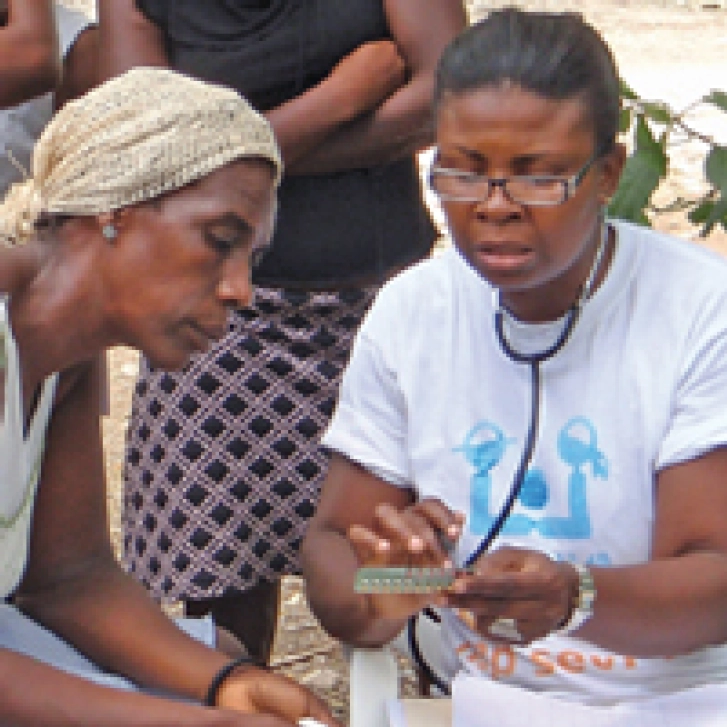
Here's how the International Planned Parenthood Federation is working to build a new global performance culture. Includes magazine extras.

After Change.org placed petitions at the center of its platform, the size of its membership soared. But operating a high-volume petition site isn’t enough for its leaders. Includes magazine extras.

Aflatoun, a global social and financial education program, is relying on partnerships rather than centralized control to scale up.
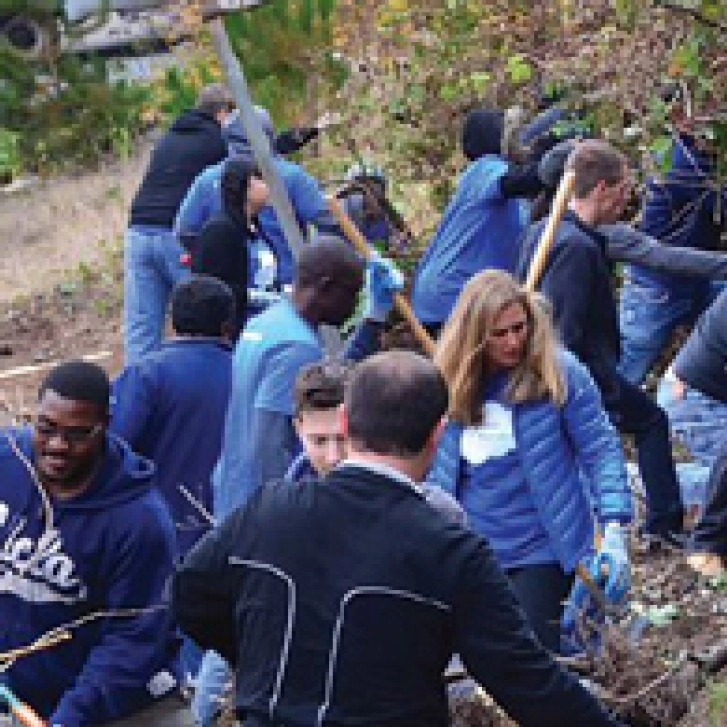
A few years ago, the Salesforce.com Foundation revamped its revenue model. Today, it's not just a grantmaker. It's a rapidly expanding software vendor.


Fair Trade-certified coffee is growing in sales, but strict certification requirements are resulting in uneven economic advantages for coffee growers and lower quality coffee for consumers.

For much of its history, Wal-Mart’s corporate management team toiled inside its “Bentonville Bubble,” narrowly focused on operational efficiency, growth, and profits. But now the world's largest retailer has widened its sights, building networks of employees, nonprofits, government agencies, and suppliers to “green” its supply chains. Here's how and why the world’s largest retailer is using a network approach to decrease its environmental footprint – and to increase its profitability.

Why Kiva chose to be a 501(c)(3), what this tax status buys the organization, and how being a nonprofit poses challenges.

Google DotOrg launched in 2004 with bold ambitions and almost $1 billion in seed funding. But the results have been less than stellar.

In August 2010 the US government closed ShoreBank, one of the country’s leading social enterprises. Why did ShoreBank fail?