


Big Change on Campus
Six years ago, the City Colleges of Chicago launched its own turnaround effort—a bid for “reinvention”—and now it’s earning high marks for improved performance.

Six years ago, the City Colleges of Chicago launched its own turnaround effort—a bid for “reinvention”—and now it’s earning high marks for improved performance.
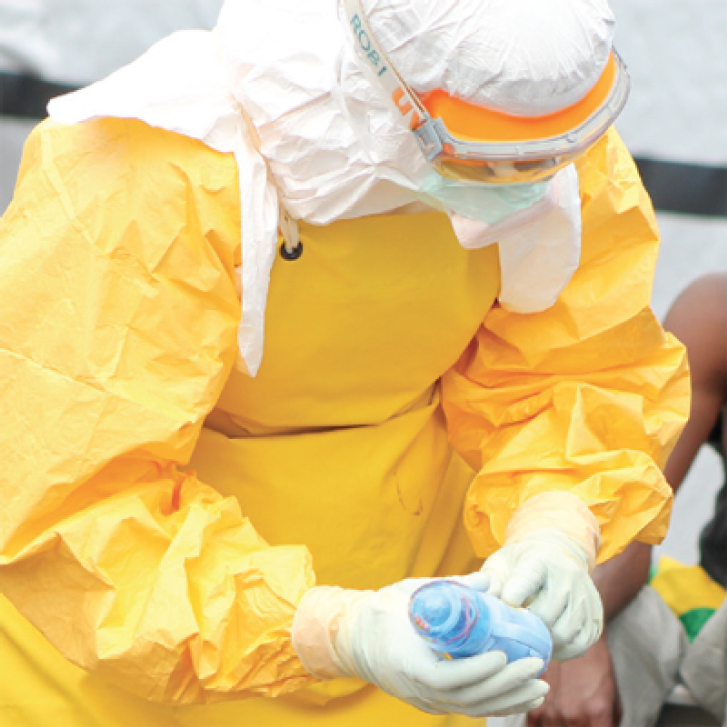
MSF France has found an answer to the question of whether to accept corporate support—and it’s anything but simple

Humanity United is pursuing a strategy that combines carrots and sticks—collaboration and activism—to confront human rights abuse in the seafood industry. Includes magazine extras.

The Presidio Trust represents an alternative model for funding and managing a public asset. Includes magazine extras.
Supplements to the article “Cause for Reflection.”


Fair Trade-certified coffee is growing in sales, but strict certification requirements are resulting in uneven economic advantages for coffee growers and lower quality coffee for consumers.

For much of its history, Wal-Mart’s corporate management team toiled inside its “Bentonville Bubble,” narrowly focused on operational efficiency, growth, and profits. But now the world's largest retailer has widened its sights, building networks of employees, nonprofits, government agencies, and suppliers to “green” its supply chains. Here's how and why the world’s largest retailer is using a network approach to decrease its environmental footprint – and to increase its profitability.

Why Kiva chose to be a 501(c)(3), what this tax status buys the organization, and how being a nonprofit poses challenges.

Google DotOrg launched in 2004 with bold ambitions and almost $1 billion in seed funding. But the results have been less than stellar.

In August 2010 the US government closed ShoreBank, one of the country’s leading social enterprises. Why did ShoreBank fail?