


Native Wisdom Is Revolutionizing Health Care
Southcentral Foundation has vastly improved Alaska Native welfare while saving on costs by using traditional healing practices.
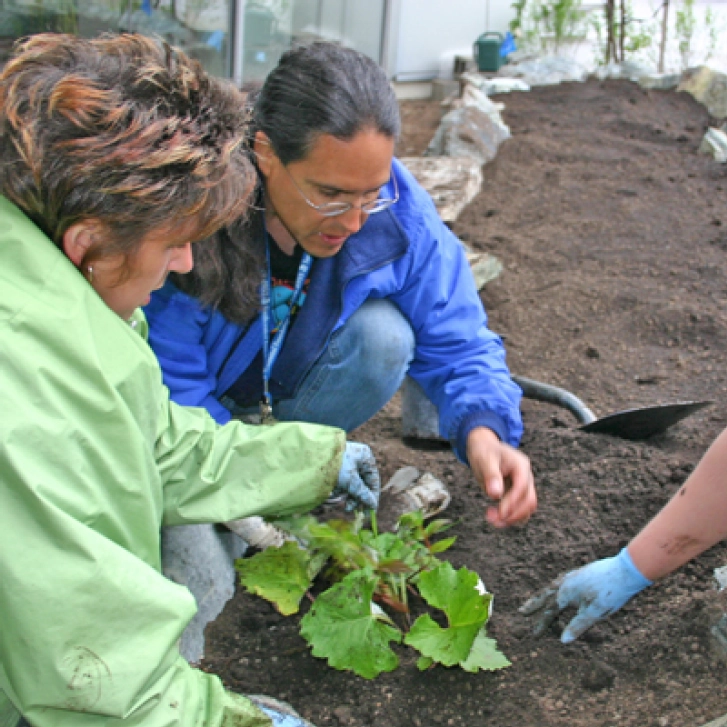
Southcentral Foundation has vastly improved Alaska Native welfare while saving on costs by using traditional healing practices.

President Obama experimented with radically new ways of maximizing the impact of social programs.

From fraternity houses in the American Midwest to villages in rural India, Breakthrough is experimenting with novel approaches to reducing violence against women and girls.

Behind the success of Triodos Bank success lies a pattern of refusing to take easy or obvious steps to drive growth.

Girl Scouts of the USA has overhauled everything from its federated structure to its information technology systems to the way that Girl Scouts sell their fabled cookies.


Fair Trade-certified coffee is growing in sales, but strict certification requirements are resulting in uneven economic advantages for coffee growers and lower quality coffee for consumers.

For much of its history, Wal-Mart’s corporate management team toiled inside its “Bentonville Bubble,” narrowly focused on operational efficiency, growth, and profits. But now the world's largest retailer has widened its sights, building networks of employees, nonprofits, government agencies, and suppliers to “green” its supply chains. Here's how and why the world’s largest retailer is using a network approach to decrease its environmental footprint – and to increase its profitability.

Why Kiva chose to be a 501(c)(3), what this tax status buys the organization, and how being a nonprofit poses challenges.

Google DotOrg launched in 2004 with bold ambitions and almost $1 billion in seed funding. But the results have been less than stellar.

In August 2010 the US government closed ShoreBank, one of the country’s leading social enterprises. Why did ShoreBank fail?