
The People’s IPO
Lower-income patrons of Market Creek Plaza can now invest in the shopping center.

Lower-income patrons of Market Creek Plaza can now invest in the shopping center.

When it comes to environmental sustainability, William McDonough is nothing less than a hero for the planet. In this audio lecture, he discusses how he has designed eco-friendly buildings with unique properties, such as the ability to produce oxygen. He urges his audience of Stanford Graduate School of Business students to set goals not toward an efficient bottom line of doing the wrong thing less badly, but rather toward the effective top line of doing the right thing.
In this panel discussion, entrepreneurs in the field of education talk about how to work with the market and apply business practices and frameworks to the problem of urban education reform. Their lessons have relevance in areas ranging from teaching to administration, and from recruitment to organizational design.
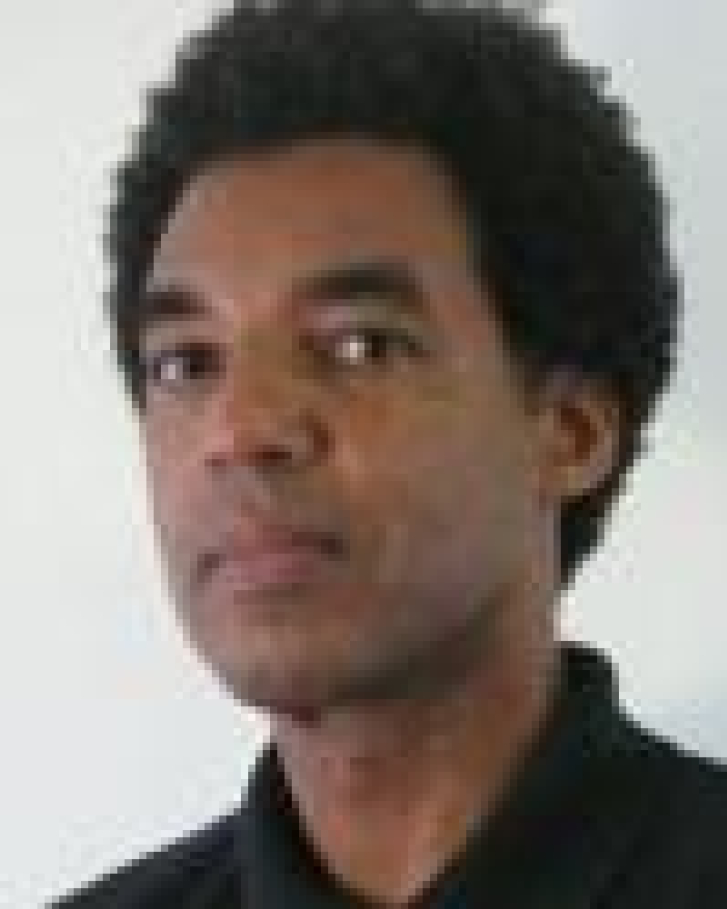
Rick Lowe has given new meaning to the phrase "artist-in-residence." This Heinz Award winner and former Loeb fellow at the Harvard School of Design is the founder of Project Row Houses, an organization that merges art and architecture with social activism. In an audio interview with Globeshakers host Tim Zak, Lowe describes how this experiment in "social sculpture" is redefining the role of art and artists in society.
Civil society may not be in such bad shape.


With an understanding of these 10 funding models, nonprofit leaders can use the for-profit world's valuable practice of engaging in succinct and clear conversations about long-term financial strategy.

Six pathways to making housing more affordable and available from the Ivory Prize for Housing Affordability.

A look at how Switzerland radically and successfully changed its approach to drug policy following a heroin epidemic in the late 1980s and 90s, and what the effort teaches us about the social innovation process.

How standardized testing, gentrification, school choice, and economic downturn have widened inequality to create an existential threat to democracy.

How government and philanthropy can unlock the billions needed to shelter America’s unhoused