


Protests, Violence, and Political Change
The Black protests of the US civil rights era influenced the national political agenda via the media coverage they received.

The Black protests of the US civil rights era influenced the national political agenda via the media coverage they received.
A new excerpt from Engaged guides us to create a more active citizenship and democracy.

Following a landmark national election in the United States, we present a series of reflections on the outcome and its effects on civil society and the social sector.

Articles on getting voters to the polls and fixing American democracy ahead of a presidential election that is shaping up to be one of the most contentious ever.

Supporting innovation should not be a top-down approach premised on straitjacketing program designs.


Laws and programs designed to benefit vulnerable groups, such as the disabled or people of color, often end up benefiting all of society.

It’s time for activists and organizations to adopt a more strategic approach to public interest communications.
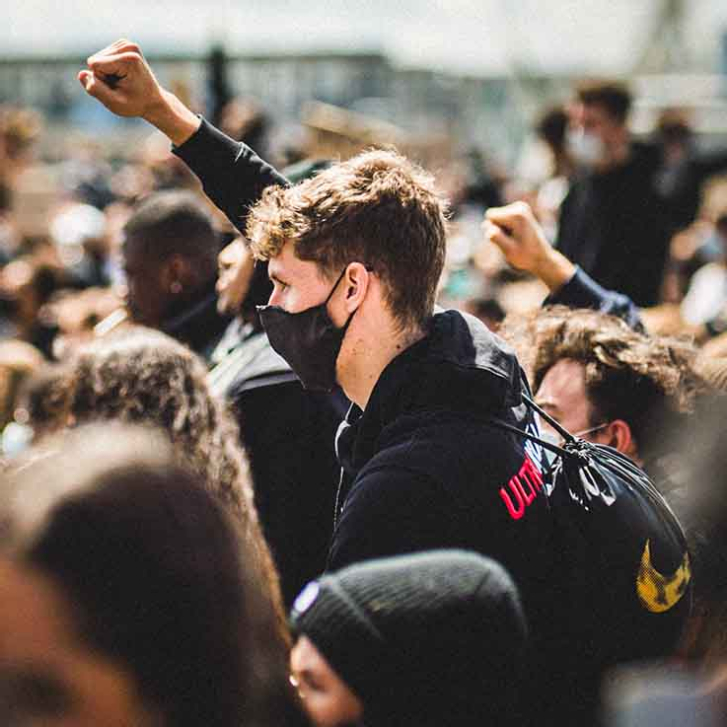
To do as much good as possible with limited resources, funders should look to woefully underfunded protest movements.

In adopting data-driven practices, leaders must design and implement programs in ways that engage community members directly in the work of social change.

A look at how Switzerland radically and successfully changed its approach to drug policy following a heroin epidemic in the late 1980s and 90s, and what the effort teaches us about the social innovation process.