


How Can Philanthropy Help Rehabilitate US Democracy?
Those with wealth and privilege are uniquely positioned to support the building and reimagining of our tattered and under-resourced democracy-preserving institutions.
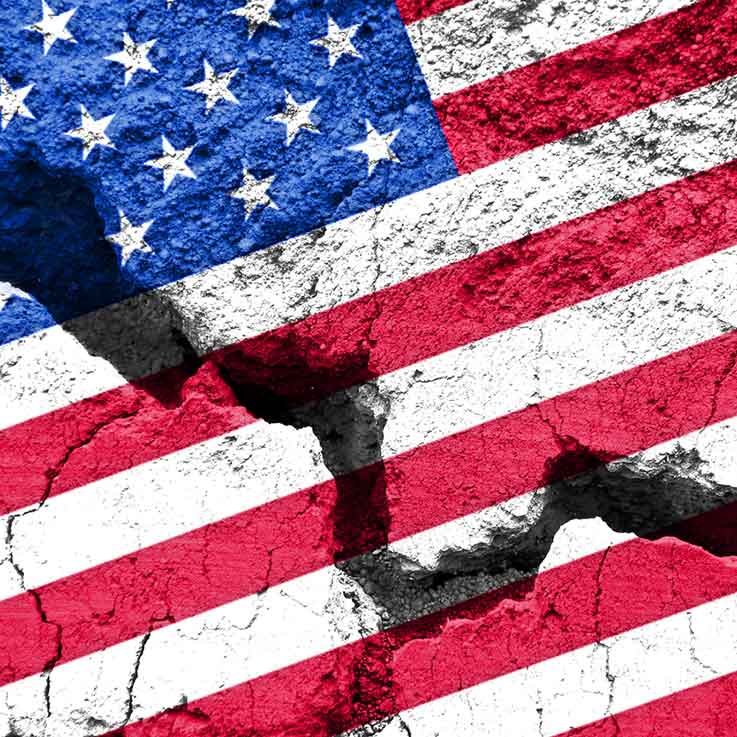
Those with wealth and privilege are uniquely positioned to support the building and reimagining of our tattered and under-resourced democracy-preserving institutions.
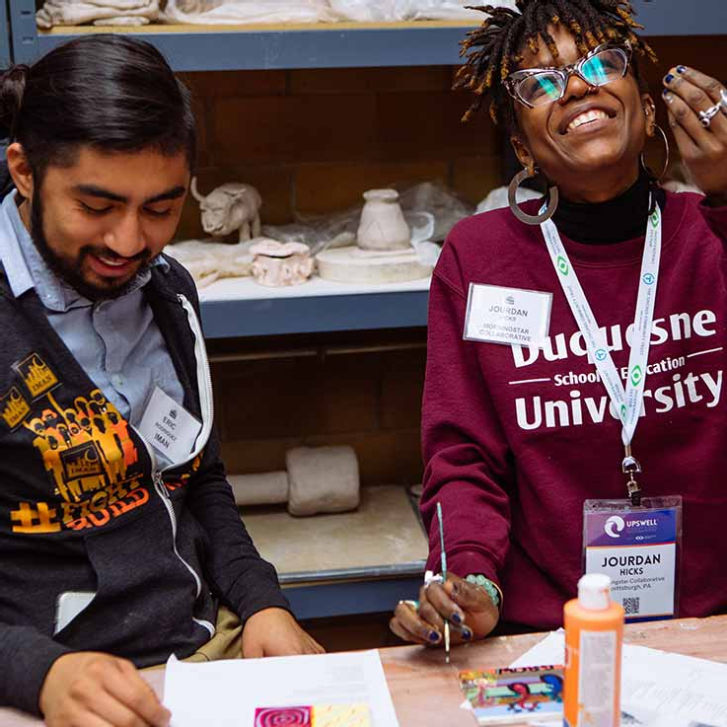
How nonprofits can continue building trust and participation in US elections by working with people on issues they care about.

A new book argues that media and tech disruption creates the best scenarios for social change.

To realize the deep systemic change that America is demanding, philanthropy must reorganize to build and demonstrate a trust-based culture, invest in community leadership capacity-building, and open up decision-making and information-sharing structures.

It’s time to set new expectations for the role of people and movements in building a legitimate and truly representative US democracy.


Laws and programs designed to benefit vulnerable groups, such as the disabled or people of color, often end up benefiting all of society.

It’s time for activists and organizations to adopt a more strategic approach to public interest communications.

To do as much good as possible with limited resources, funders should look to woefully underfunded protest movements.

In adopting data-driven practices, leaders must design and implement programs in ways that engage community members directly in the work of social change.

A look at how Switzerland radically and successfully changed its approach to drug policy following a heroin epidemic in the late 1980s and 90s, and what the effort teaches us about the social innovation process.