


Game-Changers of the World, Unite
Play this online game and learn social innovation strategies to solve global crises.

Play this online game and learn social innovation strategies to solve global crises.
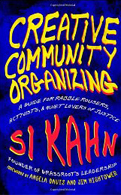
CREATIVE COMMUNITY ORGANIZING: A Guide for Rabble-Rousers, Activists, and Quiet Lovers of Justice by Si Kahn

How can nonprofits leverage social media technology such as Twitter, Facebook, Flickr, and blogs to support philanthropy? In this audio lecture, nonprofit consultant Beth Kanter talks about how she has done just that, thereby raising thousands of dollars to help children in Cambodian orphanages get to school. Learn how to get people involved in your cause, donate, volunteer, and solicit friends—all with a few keystrokes.


Do you identify as an activist, a social entrepreneur, or both? What do they have in common? In this audio lecture sponsored by the Stanford Center for Social Innovation, Hayagreeva Rao, explores how the joined hands of activists, or "market rebels," shape markets, and how this promotes or blocks innovation. Rao's lessons are applicable to leaders in the nonprofit and for-profit spheres, marketers, and activists who harness collective action for institutional and social change.


Laws and programs designed to benefit vulnerable groups, such as the disabled or people of color, often end up benefiting all of society.

It’s time for activists and organizations to adopt a more strategic approach to public interest communications.

To do as much good as possible with limited resources, funders should look to woefully underfunded protest movements.

In adopting data-driven practices, leaders must design and implement programs in ways that engage community members directly in the work of social change.

A look at how Switzerland radically and successfully changed its approach to drug policy following a heroin epidemic in the late 1980s and 90s, and what the effort teaches us about the social innovation process.