Marketing for Health
A recent experiment in Brazil shows that successfully getting fortified foods to people who need them is as much about aspiration as access.

A recent experiment in Brazil shows that successfully getting fortified foods to people who need them is as much about aspiration as access.
We must better understand user-centered design’s limitations—not just its strengths—in the context of international development. And we must adapt it from its original uses designing commercial products to solving for social good.

A system that combines software and sensors promises to improve farmers’ ability to manage, conserve, and lease water.
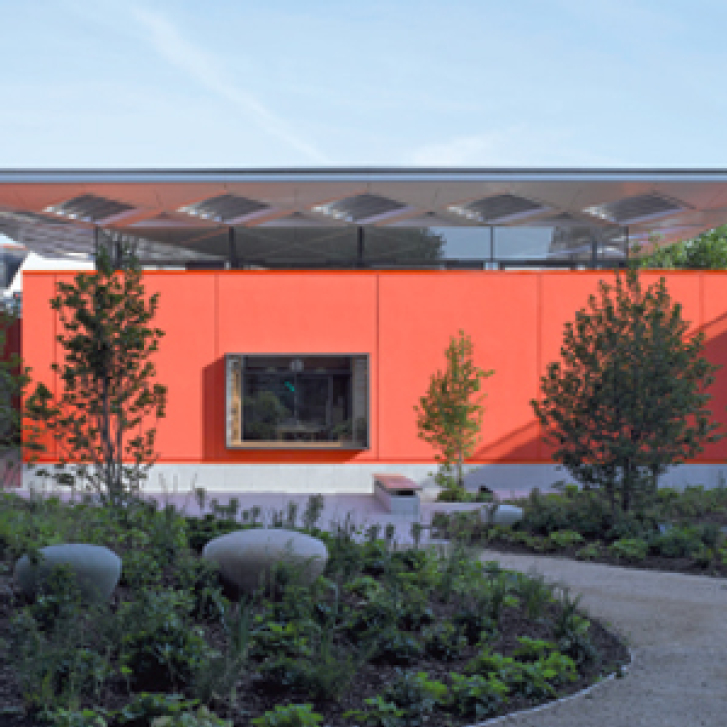
Maggie’s Centres, a network of specially built facilities in the United Kingdom, provides cancer patients with a comforting environment.
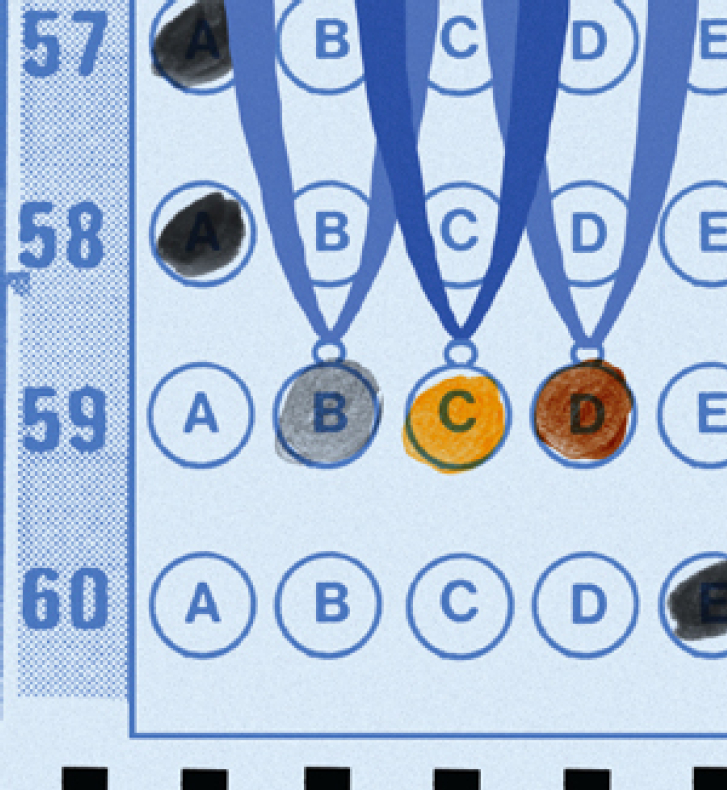
Race to the Top, a $4 billion US education reform effort, produced valuable lessons on designing a competition-based program.


By working closely with the clients and consumers, design thinking allows high-impact solutions to social problems to bubble up from below rather than being imposed from the top.
Both human-centered and systems-thinking methods fit within an effective design approach, and can work in conjunction to address social challenges.
Design is a process especially suited to divergent thinking—the exploration of new choices and alternative solutions.

Principles and tactics for creating strategic convenings that foster meaningful interaction and outcomes.

An ethical framework can bridge the worlds of startup technology and international development to strengthen cross-sector innovation in the social sector.