Applying Design Thinking to Healthcare
CEO Joel Sadler about the company’s initial product,an artificial knee joint that is dramatically changing the lives of amputees in developing countries

CEO Joel Sadler about the company’s initial product,an artificial knee joint that is dramatically changing the lives of amputees in developing countries

How can defaults help you save money, save the environment, and save lives?

How can you leverage the power of design thinking and psychological research with practical tools and strategies to get your social enterprise off the ground? In this university podcast, sponsored by the Stanford Center for Social Innovation, Stanford Graduate School of Business marketing professor Jennifer Aaker introduces the "dragonfly effect" model to illustrate how technology can be used to support business and social missions.

By working closely with the clients and consumers, design thinking allows high-impact solutions to social problems to bubble up from below rather than being imposed from the top.
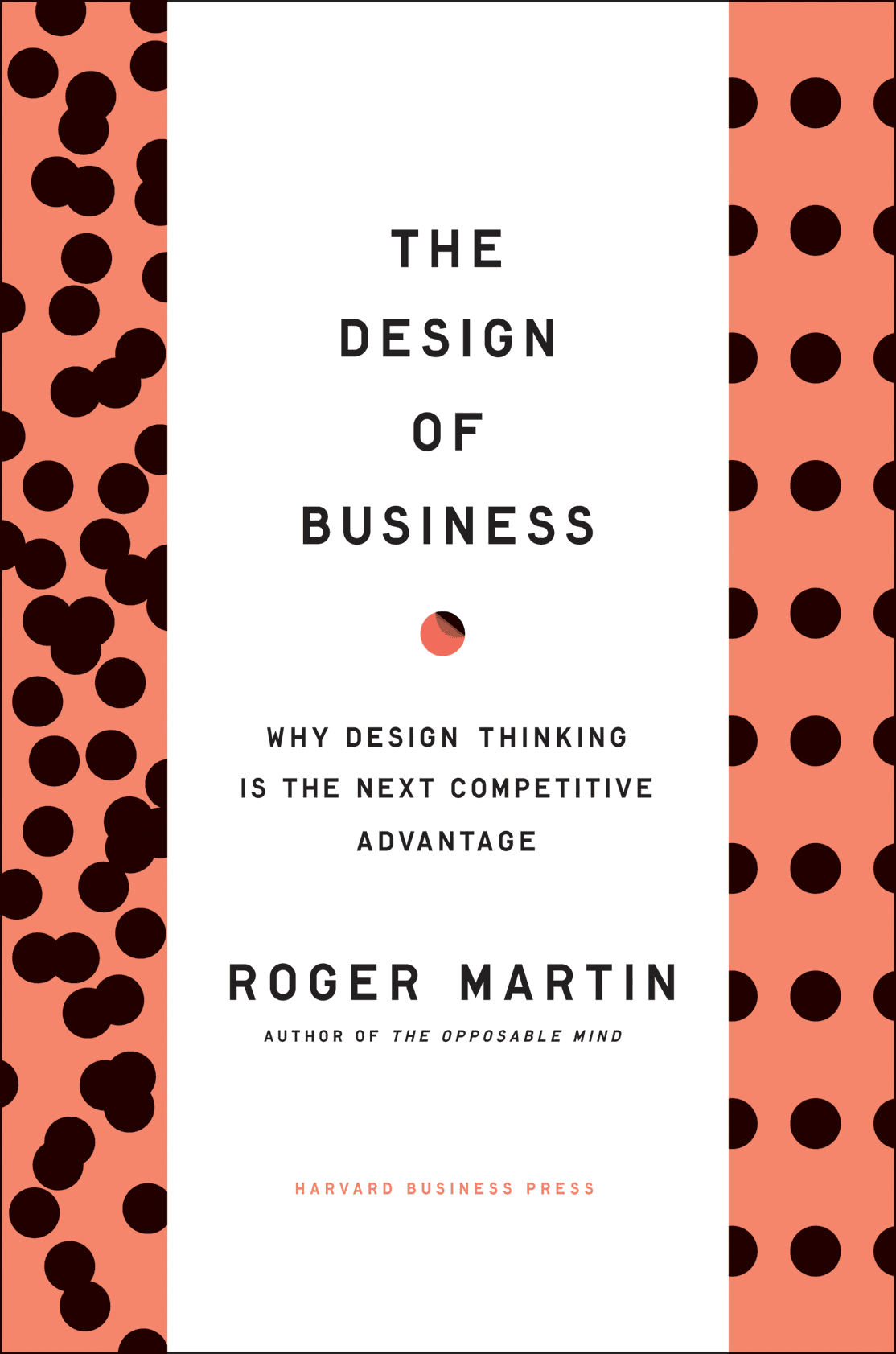
The Design of Business: Why Design Thinking Is the Next Competitive Advantage by Roger L. Martin

By working closely with the clients and consumers, design thinking allows high-impact solutions to social problems to bubble up from below rather than being imposed from the top.
Both human-centered and systems-thinking methods fit within an effective design approach, and can work in conjunction to address social challenges.
Design is a process especially suited to divergent thinking—the exploration of new choices and alternative solutions.

Principles and tactics for creating strategic convenings that foster meaningful interaction and outcomes.

An ethical framework can bridge the worlds of startup technology and international development to strengthen cross-sector innovation in the social sector.