


How Philanthropy Can Help Lead on Data Justice
By embracing community-based participatory research and other equity approaches to data, philanthropy can change the game, revitalize research and communities, and realize greater impact.

By embracing community-based participatory research and other equity approaches to data, philanthropy can change the game, revitalize research and communities, and realize greater impact.

In landscapes where people and natural systems co-exist and intermingle, conservationists must go beyond protection and work to develop community-level incentives for wildlife conservation through sustainable and locally managed use.
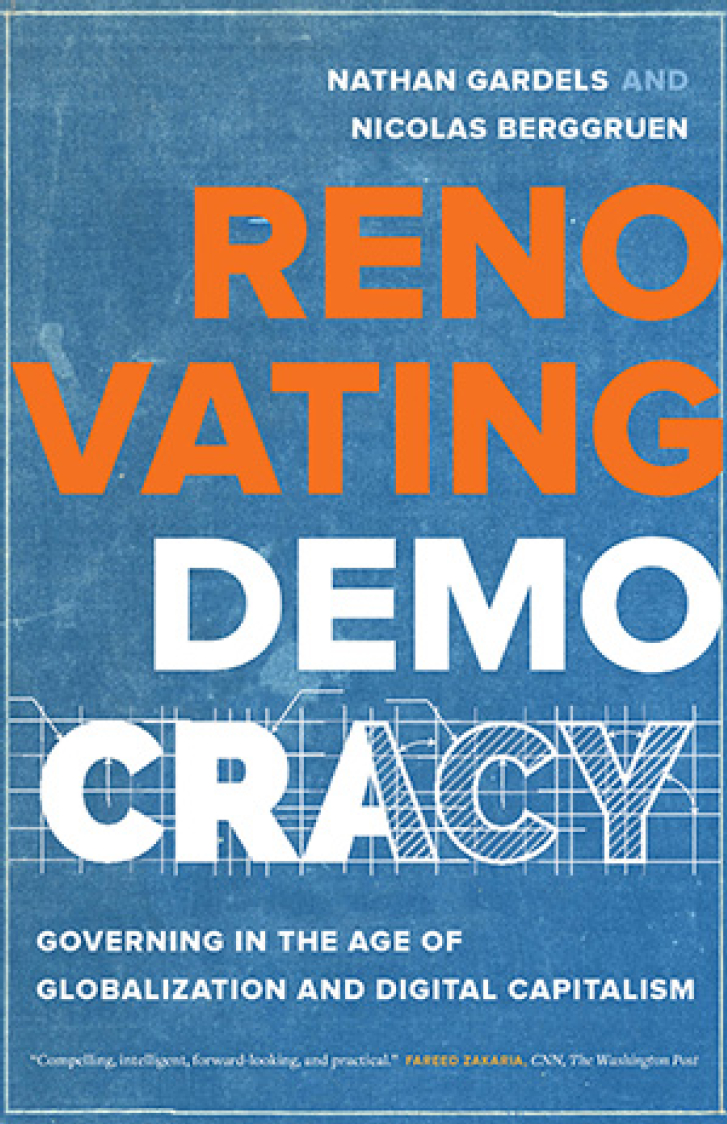
Renovating Democracy explores how the digital revolution has irrevocably altered how we engage with participatory democracy and with how democracy works for us.
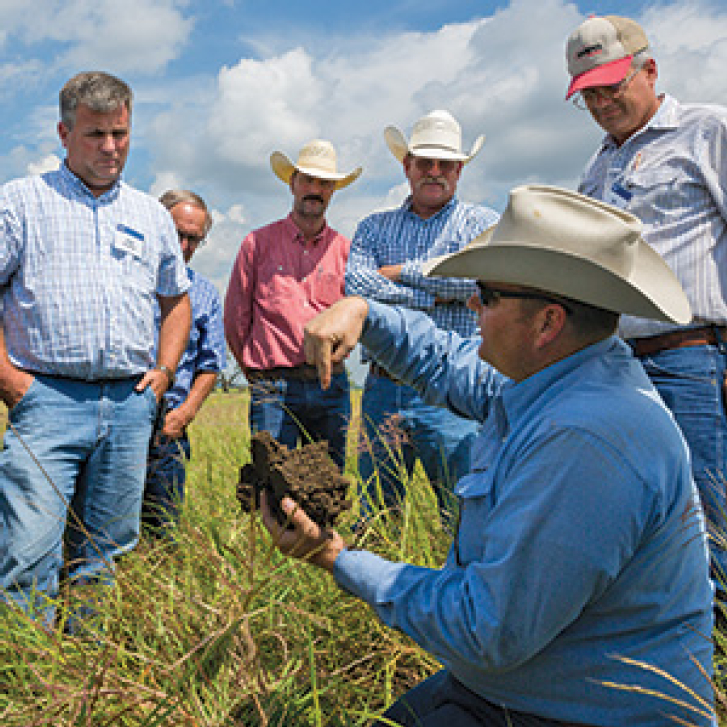
The Ecosystem Services Market will enable farmers to use improvements in soil health—the key to water conservation and soil carbon sequestration—to generate ecosystem-service credits that they will be able to sell. A What's Next article from the Winter 2020 issue.

Three takeaways to establish the structural and institutional guardrails necessary to creating a serious, concerted, and holistic effort to address issues of power and inequality across civil society, government, and the economy. Part of the Winter 2020 issue's Realizing Democracy supplement funded by the Ford Foundation.


Fair Trade-certified coffee is growing in sales, but strict certification requirements are resulting in uneven economic advantages for coffee growers and lower quality coffee for consumers.

Six pathways to making housing more affordable and available from the Ivory Prize for Housing Affordability.

Why Kiva chose to be a 501(c)(3), what this tax status buys the organization, and how being a nonprofit poses challenges.

A new approach to measuring poverty is needed, one that accounts for multiple factors such as housing, and regional economic differences.

To cure the social sector’s metric monomania, we must get comfortable with complexity.