


The Cooperation Imperative
Modern China calls for economic cooperation between China and the West.
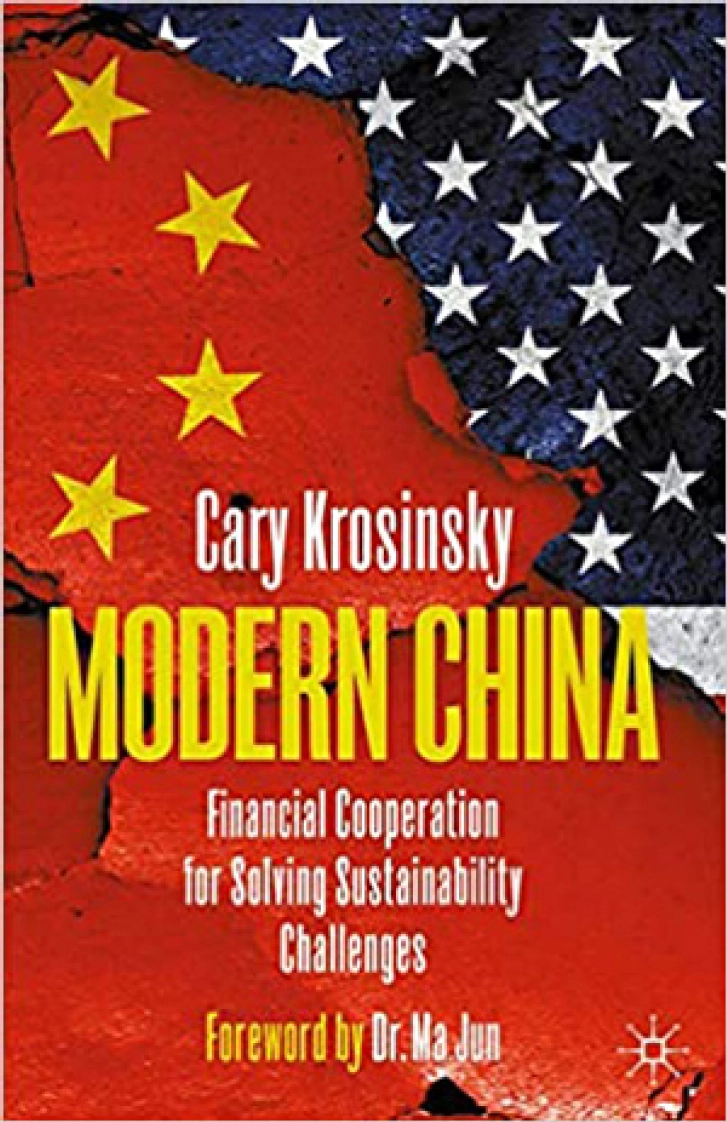
Modern China calls for economic cooperation between China and the West.

A look at four “housing-plus” initiatives that are building healthy neighborhoods.
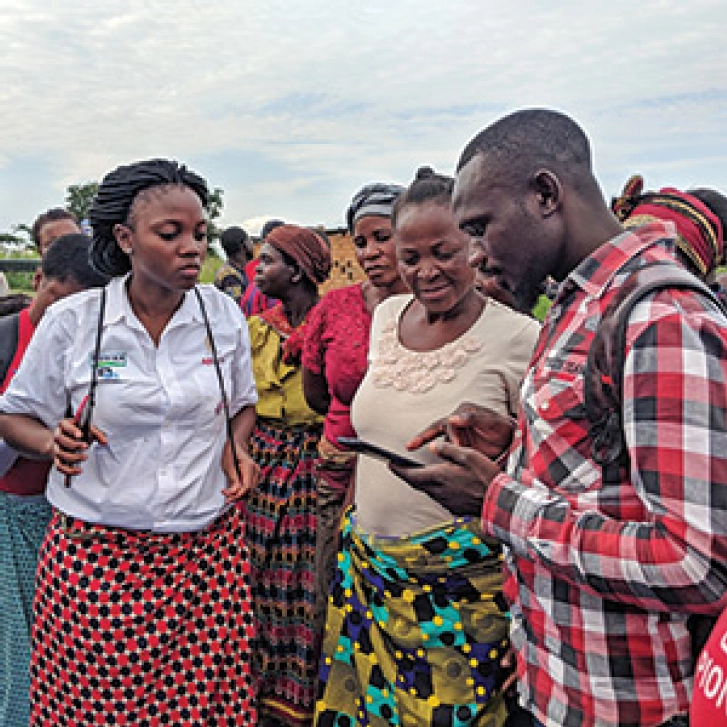
BanQu is the world’s first non-cryptocurrency blockchain app to help the world’s poorest people establish a verifiable economic identity. A Field Report from the Summer 2020 issue.

The COVID-19 crisis is threatening small and growing businesses in low-income nations and the capacity development organizations (CDOs) they depend upon. Helping CDOs overcome three types of financial challenges is critical to responding to the current and coming economic devastation.

To realize the full value of human services community-based organizations, we need to change both the narrative around what they do and the structures for funding them, stressing shared values and a commitment to outcomes.


Fair Trade-certified coffee is growing in sales, but strict certification requirements are resulting in uneven economic advantages for coffee growers and lower quality coffee for consumers.

Six pathways to making housing more affordable and available from the Ivory Prize for Housing Affordability.

Why Kiva chose to be a 501(c)(3), what this tax status buys the organization, and how being a nonprofit poses challenges.

A new approach to measuring poverty is needed, one that accounts for multiple factors such as housing, and regional economic differences.

To cure the social sector’s metric monomania, we must get comfortable with complexity.