


Urban Renewal?
The Fairmount Corridor project revealed a central tension in community development: Community-based organizations both enhance and undermine democracy. A Research article from the Fall 2019 issue.

The Fairmount Corridor project revealed a central tension in community development: Community-based organizations both enhance and undermine democracy. A Research article from the Fall 2019 issue.
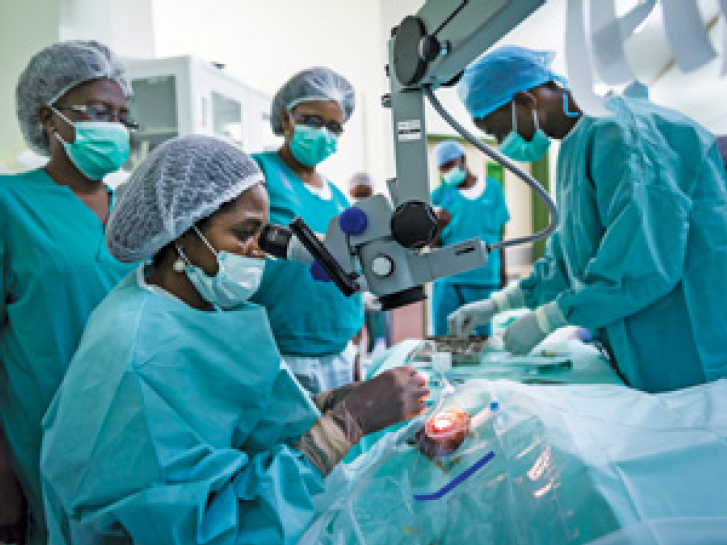
Massive investment in surgical care is essential for achieving the Sustainable Development Goals and improving health equity. The surgical device industry should take the lead. Open access to this article is made possible by Harvard Medical School.
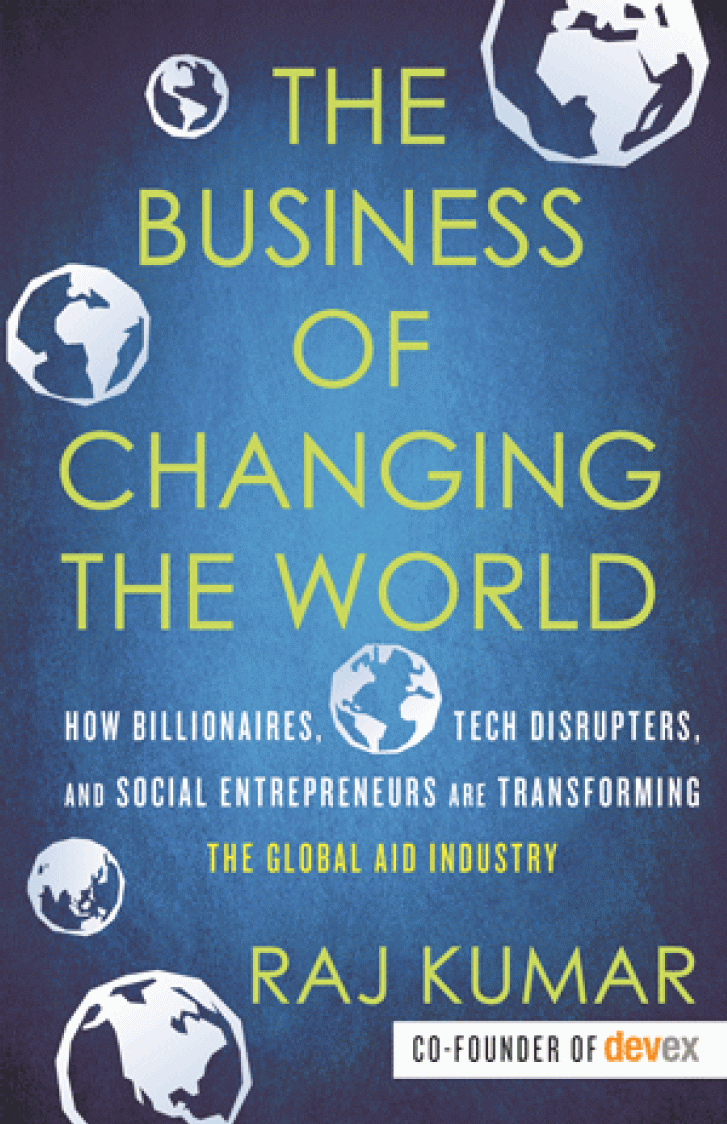
An excerpt from The Business of Changing the World: How Billionaires, Tech Disrupters, and Social Entrepreneurs are Transforming the Global Aid Industry argues the case for openness.

We must take on the difficult work of accounting for race and racism in our collective change-making endeavors or face the risk of failing to undo systemic inequities. This is the fifth of 10 articles in a special series about diversity, equity, and inclusion.
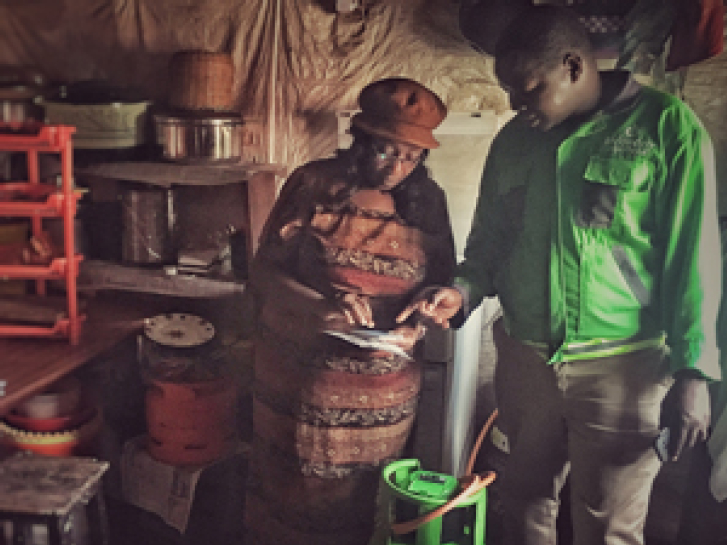
Strategies for cross-sectoral partnership in reaching consumers in emerging markets through pay-as-you-go business models.


Fair Trade-certified coffee is growing in sales, but strict certification requirements are resulting in uneven economic advantages for coffee growers and lower quality coffee for consumers.

Six pathways to making housing more affordable and available from the Ivory Prize for Housing Affordability.
Why Kiva chose to be a 501(c)(3), what this tax status buys the organization, and how being a nonprofit poses challenges.

A new approach to measuring poverty is needed, one that accounts for multiple factors such as housing, and regional economic differences.

To cure the social sector’s metric monomania, we must get comfortable with complexity.