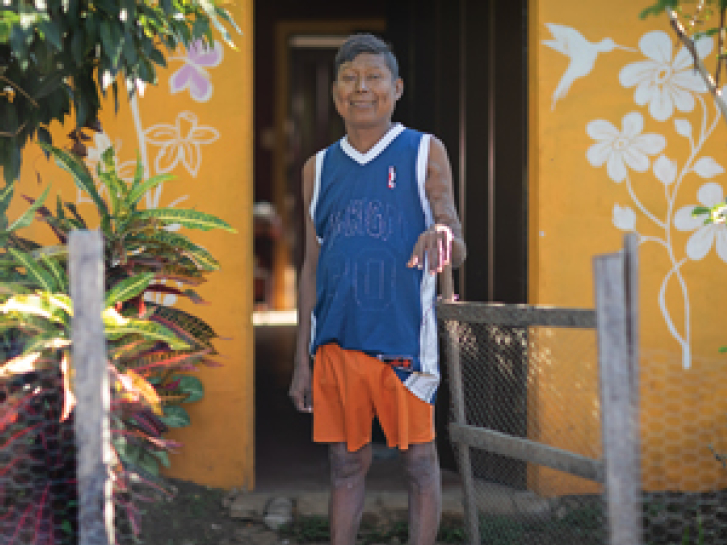
Paying It Forward in International Development
Development practitioners must build a culture of learning, negotiation, and collaboration, so that the generation and use of evidence are integrated into program design and implementation.
Companies seeking to do business in low-income markets often make the mistake of transferring assets from higher-income markets to fill perceived gaps. They should instead look to partner with those who live in these markets and to identify the assets already available there.
A new book on Chinese entrepreneurs breaks through stereotypes and offers a more comprehensive view of innovation in China.
Three perspectives on the future of transnational advocacy, and how organizations can adapt to the challenges of 21st-century campaigning.
An excerpt from Workers on Arrival: Black Labor in the Making of America reflects on the meaning of centuries of black labor for the future of America’s economy and democracy.
Fair Trade-certified coffee is growing in sales, but strict certification requirements are resulting in uneven economic advantages for coffee growers and lower quality coffee for consumers.
Six pathways to making housing more affordable and available from the Ivory Prize for Housing Affordability.
Why Kiva chose to be a 501(c)(3), what this tax status buys the organization, and how being a nonprofit poses challenges.
A new approach to measuring poverty is needed, one that accounts for multiple factors such as housing, and regional economic differences.
To cure the social sector’s metric monomania, we must get comfortable with complexity.