Three Questions With Darren Walker
Ford Foundation president Darren Walker talks with SSIR senior editor Michael Slind about what organizations like his can do to address inequality.
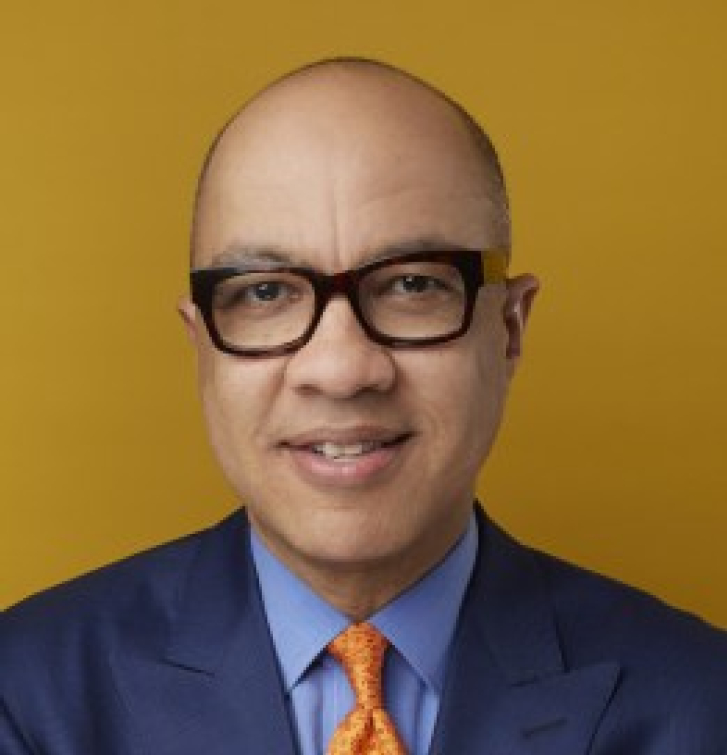
Ford Foundation president Darren Walker talks with SSIR senior editor Michael Slind about what organizations like his can do to address inequality.
Many microfinance impact investors are not monitoring the social components of the financial service providers (FSPs) they finance—but doing so can make a substantial difference to business success.
How can we ensure all children across the globe learn the skills they need to be successful in an increasingly interconnected, technologically advanced world?
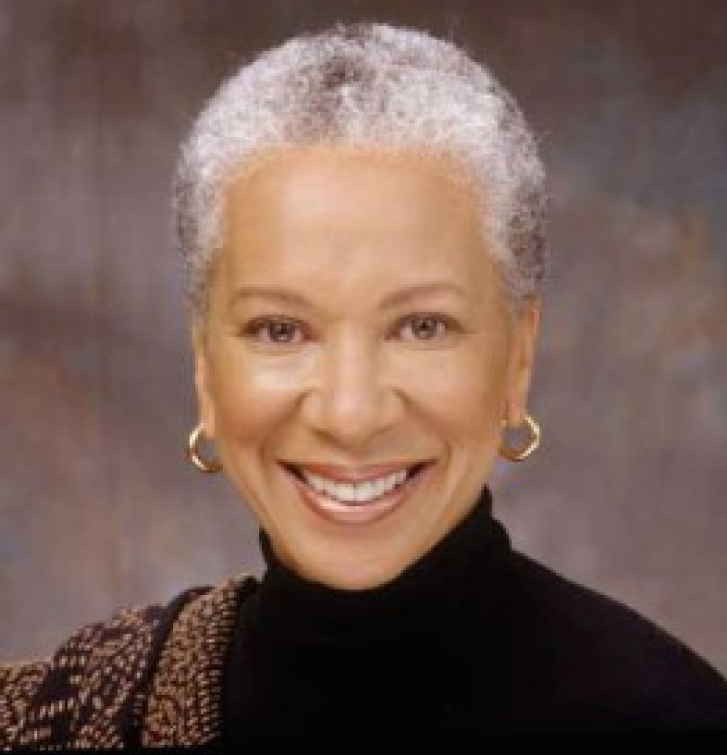
Blackwell, president and CEO of PolicyLink, talks with SSIR senior editor Michael Slind about the role of public policy in addressing inequality and creating a more prosperous society.

Stanford economics professor Chetty talks with SSIR's Michael Slind about using data to understand the causes of inequality and identify potential solutions.


Fair Trade-certified coffee is growing in sales, but strict certification requirements are resulting in uneven economic advantages for coffee growers and lower quality coffee for consumers.

Six pathways to making housing more affordable and available from the Ivory Prize for Housing Affordability.

Why Kiva chose to be a 501(c)(3), what this tax status buys the organization, and how being a nonprofit poses challenges.

A new approach to measuring poverty is needed, one that accounts for multiple factors such as housing, and regional economic differences.

To cure the social sector’s metric monomania, we must get comfortable with complexity.