


Building Up Impact
The spread of affordable housing impact statements offers US cities hope for more equitable development.
The spread of affordable housing impact statements offers US cities hope for more equitable development.

A social enterprise in Myanmar uses design thinking to create products that reflect an up-close view of what small-plot farmers need.

A new facility in Portland, Ore., aims to solve critical infrastructure problems that thwart the growth of midsize farms and ranches.

In a hybrid organization, the trade-offs between social and commercial goals are real—and they require careful management.
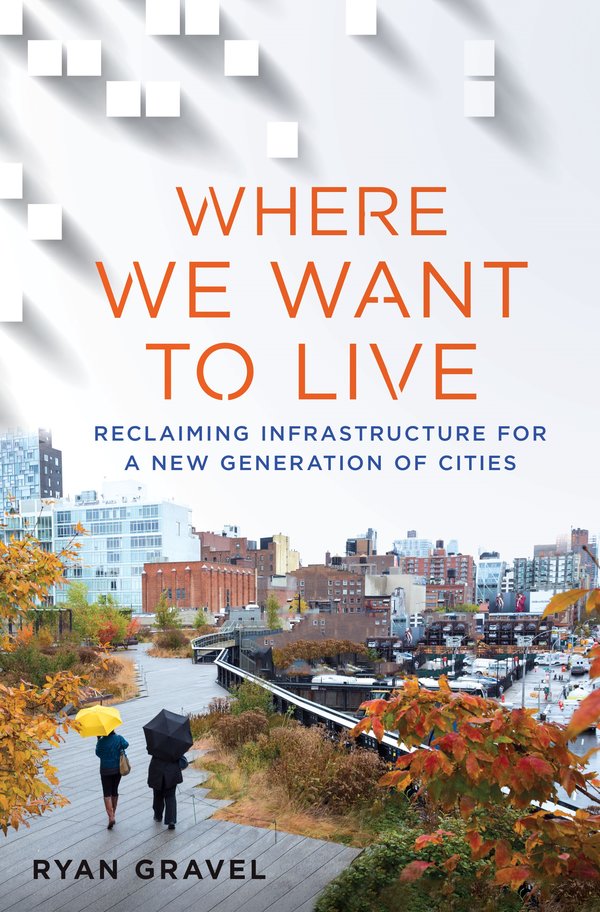
How citizens can push back against urban sprawl and create vibrant, interconnected communities.


Fair Trade-certified coffee is growing in sales, but strict certification requirements are resulting in uneven economic advantages for coffee growers and lower quality coffee for consumers.

Six pathways to making housing more affordable and available from the Ivory Prize for Housing Affordability.
Why Kiva chose to be a 501(c)(3), what this tax status buys the organization, and how being a nonprofit poses challenges.

A new approach to measuring poverty is needed, one that accounts for multiple factors such as housing, and regional economic differences.

To cure the social sector’s metric monomania, we must get comfortable with complexity.