


Harnessing the Potential of Remittances
Lessons and strategies for developing countries
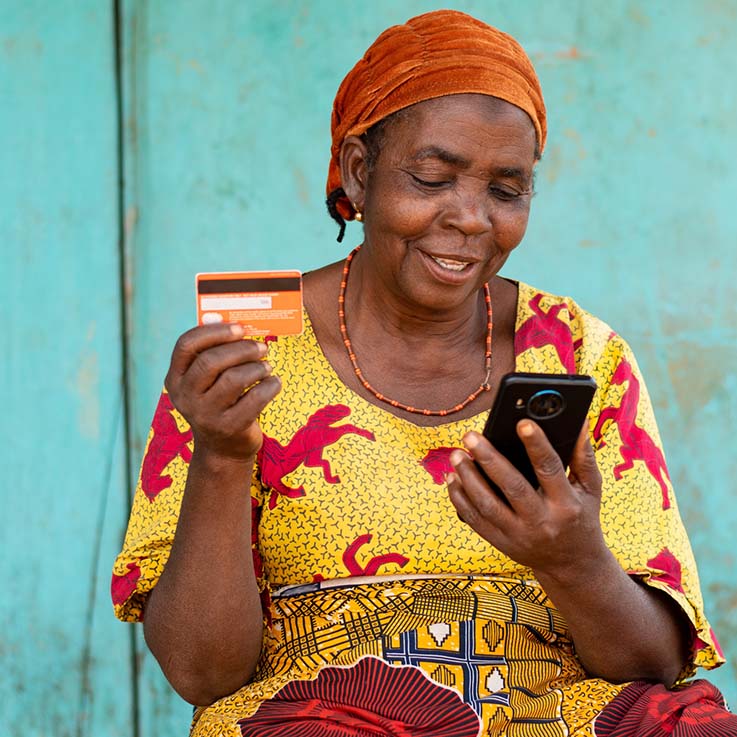
Lessons and strategies for developing countries
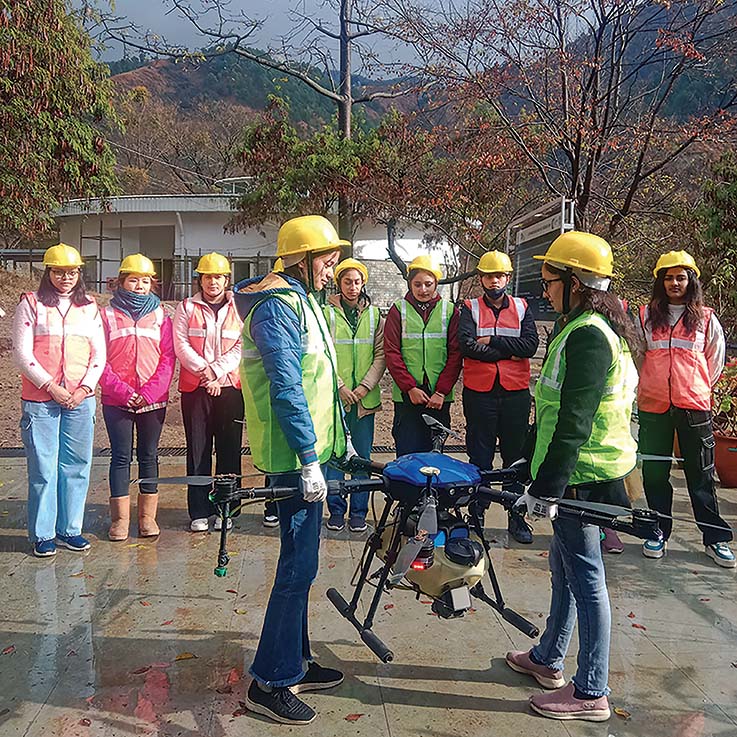
A new government program in India is training women to become agricultural drone pilots to increase their financial security and modernize farming.

The future of money may be digital, but we must not underestimate the resilience and freedom that cash offers.

Large-scale implementation of universal basic income can decrease overall welfare.
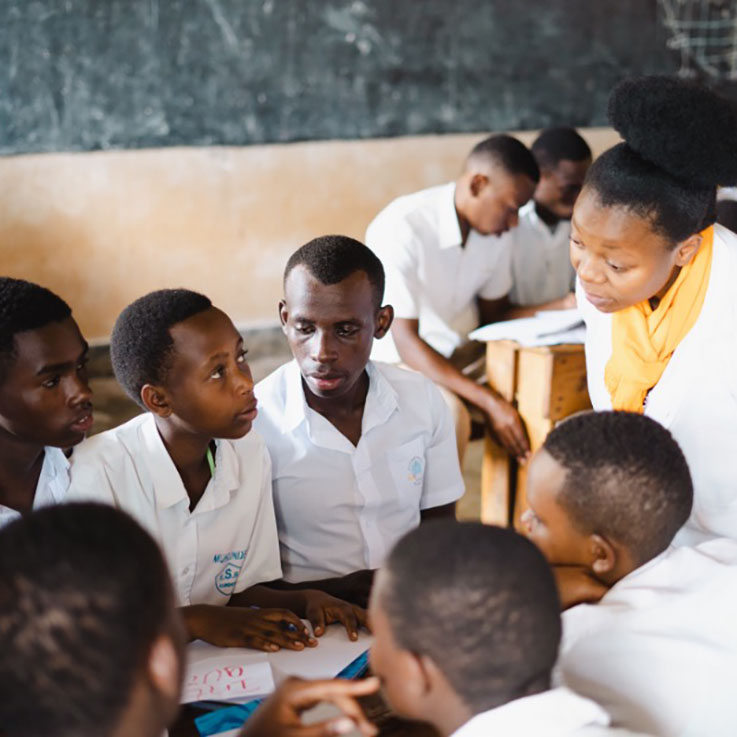
Comprehensive reform of a single mandatory subject in Rwandan secondary schools is setting students up for real-world opportunities by aligning classroom learning with life after graduation.


Fair Trade-certified coffee is growing in sales, but strict certification requirements are resulting in uneven economic advantages for coffee growers and lower quality coffee for consumers.

Six pathways to making housing more affordable and available from the Ivory Prize for Housing Affordability.
Why Kiva chose to be a 501(c)(3), what this tax status buys the organization, and how being a nonprofit poses challenges.

A new approach to measuring poverty is needed, one that accounts for multiple factors such as housing, and regional economic differences.

To cure the social sector’s metric monomania, we must get comfortable with complexity.