


Rebuilding Haiti with Microfinance (Video)
Partnership brings greater social impact. This post features a video.

Partnership brings greater social impact. This post features a video.
Effective social change stems from listening to African youth, confronting the realities of poverty from their perspectives and on their terms.
Savings and loan associations run entirely by youth represent an innovation in helping them learn to save, manage money and develop new skills.
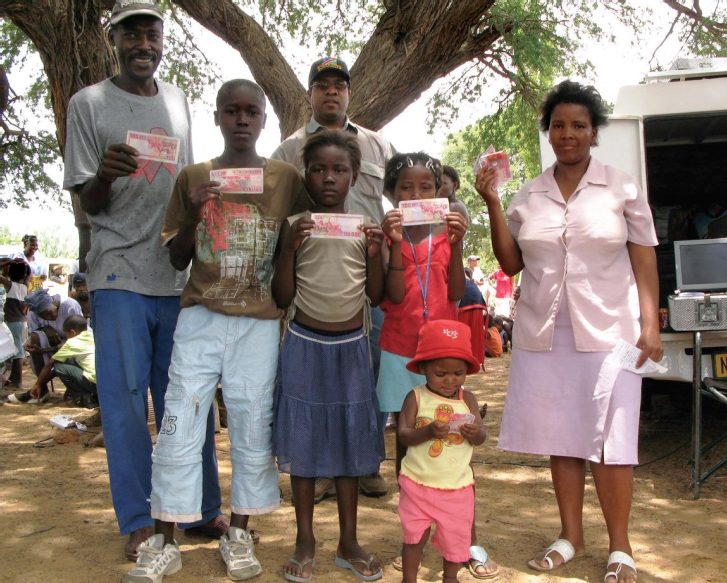
The world’s first universal cash transfer program is in Namibia and provides cash with no strings attached.
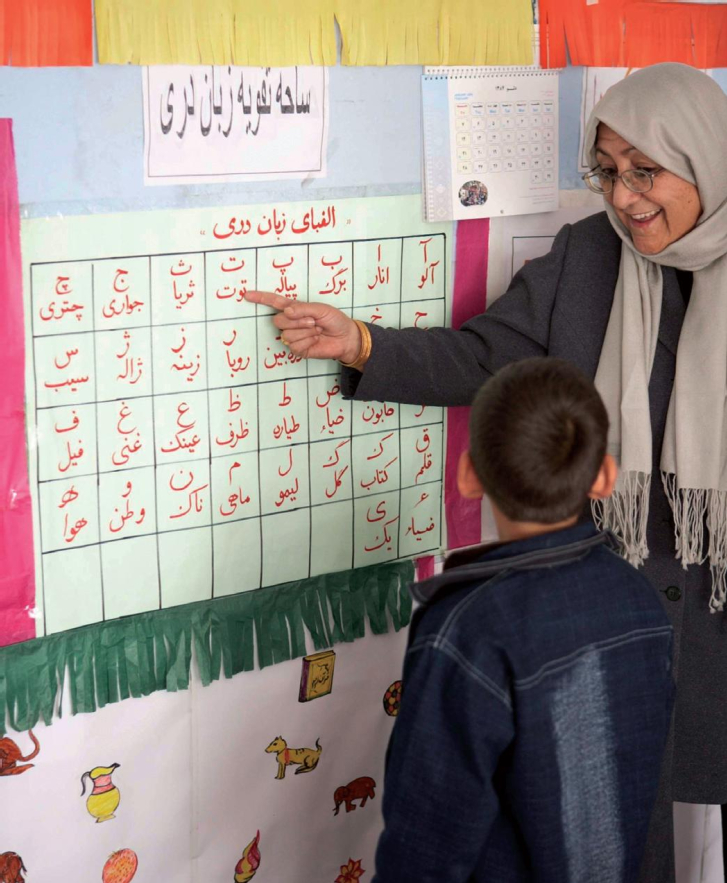
Against all odds, the Afghan Institute of Learning educates women and girls in a war-torn society.


Fair Trade-certified coffee is growing in sales, but strict certification requirements are resulting in uneven economic advantages for coffee growers and lower quality coffee for consumers.

Six pathways to making housing more affordable and available from the Ivory Prize for Housing Affordability.
Why Kiva chose to be a 501(c)(3), what this tax status buys the organization, and how being a nonprofit poses challenges.

A new approach to measuring poverty is needed, one that accounts for multiple factors such as housing, and regional economic differences.

To cure the social sector’s metric monomania, we must get comfortable with complexity.