

Lessons in Courage
Against all odds, the Afghan Institute of Learning educates women and girls in a war-torn society.
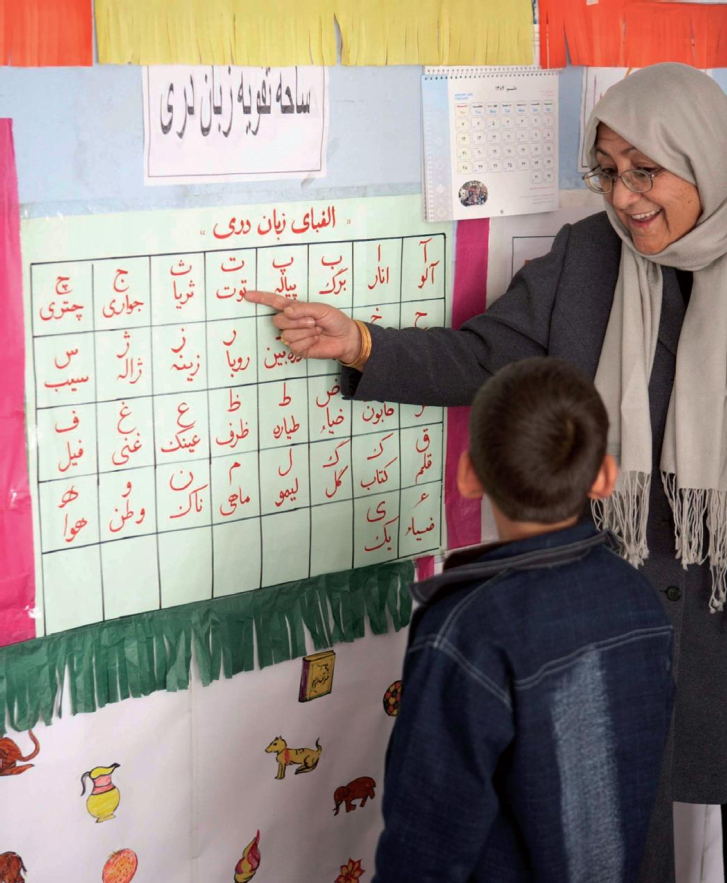
Against all odds, the Afghan Institute of Learning educates women and girls in a war-torn society.

When Priya Haji put her mind to helping reduce global poverty, social entrepreneurship took a quantum leap. In this university podcast, sponsored by the Stanford Center for Social Innovation, the plucky founder of World of Good shares how she created a social enterprise that now empowers women in communities around the world by helping them sell their artisan goods in stores and online. She talks about strategies for using educated consumer choice and inspiring business competition to do good.

Over the past 17 years, the Forum for African Women Educationalists has delivered high-quality education to millions of girls across 35 African countries.
Instead of sending the money all at once, donors should create a plan to stagger and guarantee funding for years to come.
Responsible investing begins in local, underserved communities. In this education podcast, CEO Martin Eakes talks about how his organization, Self-Help, has provided almost $6 billion in financing to more than 60,000 homebuyers, small businesses, and nonprofits, and how it is serving thousands of low-income families through retail credit union branches. Eakes' presentation is an inspiring rallying cry for redirecting resources to those who can benefit the most. His talk is part of a discussion sponsored by the Center for Social Innovation.


Fair Trade-certified coffee is growing in sales, but strict certification requirements are resulting in uneven economic advantages for coffee growers and lower quality coffee for consumers.

Six pathways to making housing more affordable and available from the Ivory Prize for Housing Affordability.

Why Kiva chose to be a 501(c)(3), what this tax status buys the organization, and how being a nonprofit poses challenges.

A new approach to measuring poverty is needed, one that accounts for multiple factors such as housing, and regional economic differences.

To cure the social sector’s metric monomania, we must get comfortable with complexity.