


Unlocking the Innovation Potential of Biocultural Capital
To create a more resilient and equitable world, the fragile potentiality of our planet’s biological and cultural diversity must be converted, conserved, and constructed.
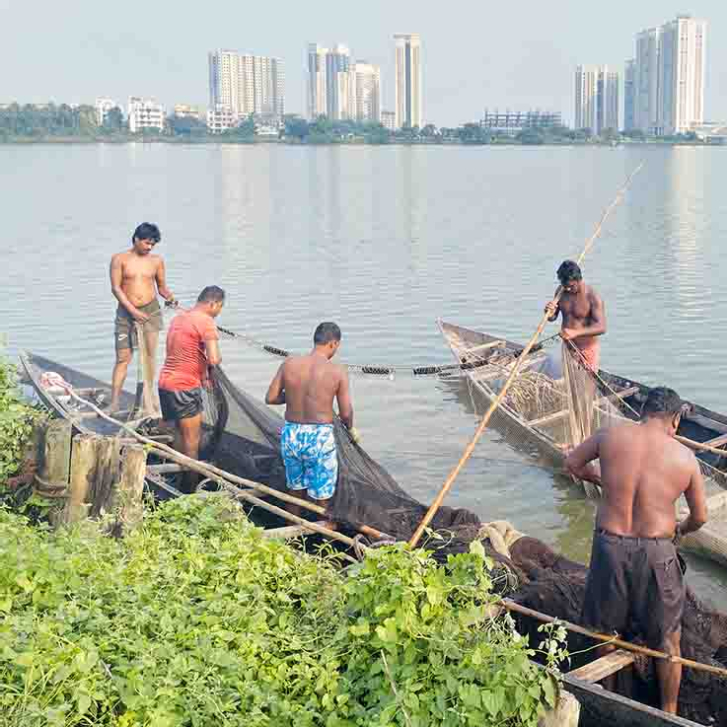
To create a more resilient and equitable world, the fragile potentiality of our planet’s biological and cultural diversity must be converted, conserved, and constructed.
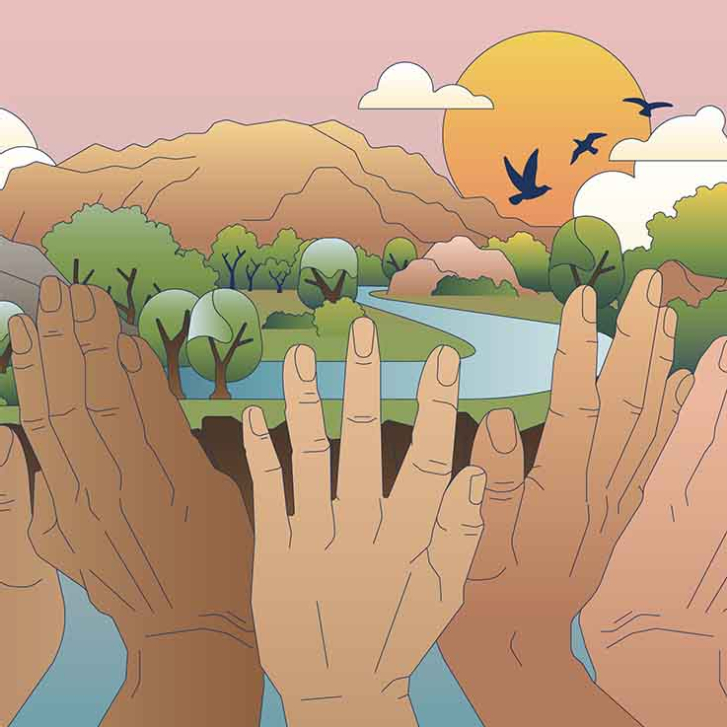
Despite adversities, Indigenous Peoples of the Americas continue to thrive and develop solutions to social problems that help their communities—and the wider world.

The gig economy has upended the traditional employer-employee relationship and informalized work globally. Now workers around the world are pushing back.
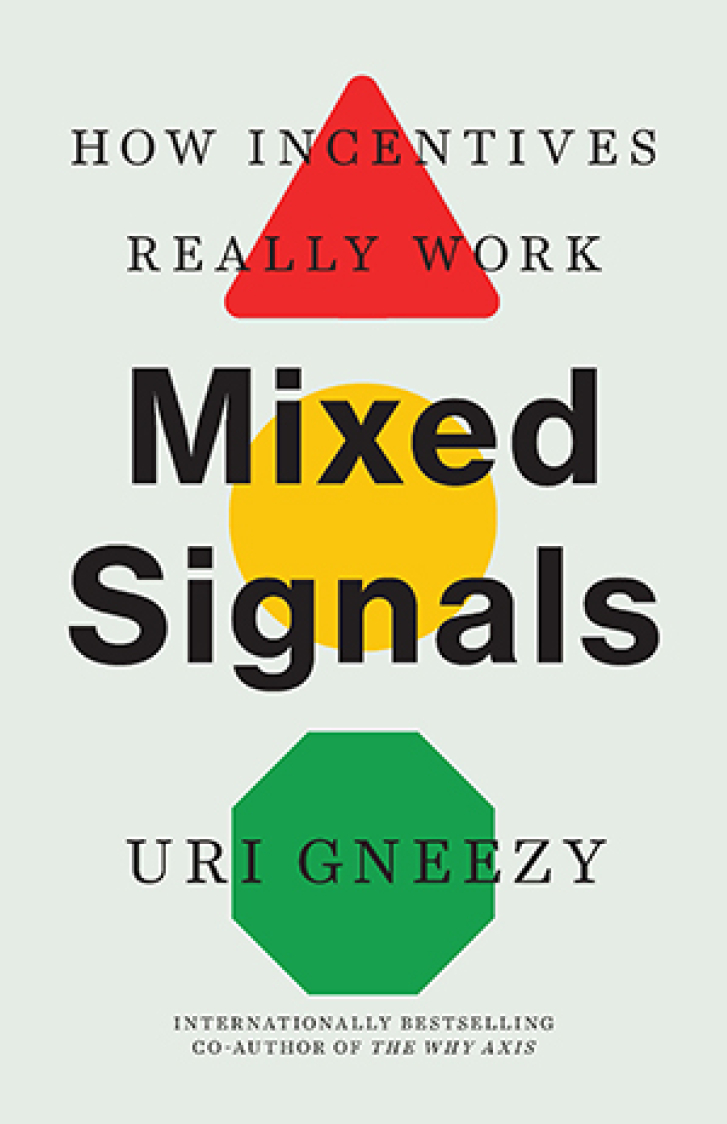
An excerpt from Mixed Signals on using incentive to change culture

Despite a notoriously innovation-adverse environment in UN organizations overall, a growing body of success stories are changing lives and contributing to continuous organizational learning.


Fair Trade-certified coffee is growing in sales, but strict certification requirements are resulting in uneven economic advantages for coffee growers and lower quality coffee for consumers.

Six pathways to making housing more affordable and available from the Ivory Prize for Housing Affordability.
Why Kiva chose to be a 501(c)(3), what this tax status buys the organization, and how being a nonprofit poses challenges.
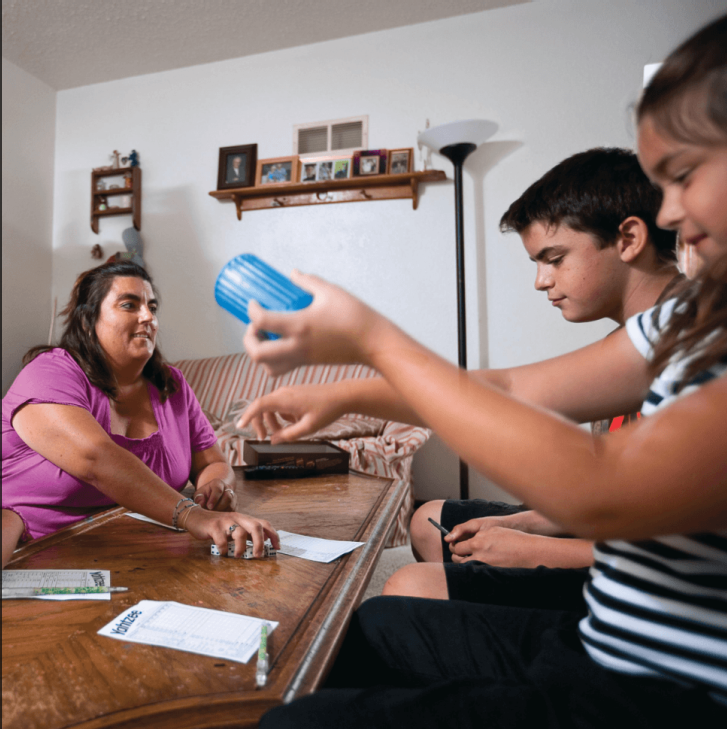
A new approach to measuring poverty is needed, one that accounts for multiple factors such as housing, and regional economic differences.
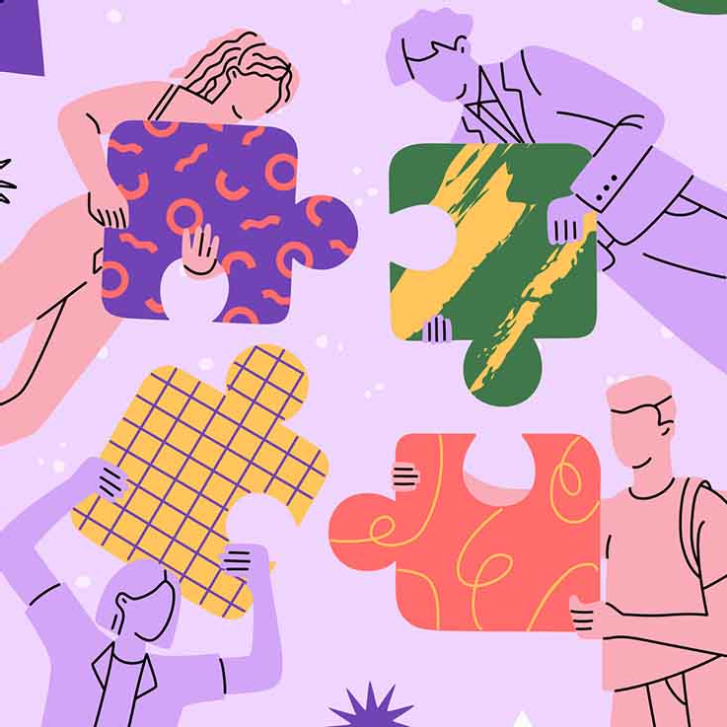
To cure the social sector’s metric monomania, we must get comfortable with complexity.