


Even Small Foundations Can Have a Big Impact
While large amounts of money can make a difference, it’s not the only way that philanthropists can have an impact.
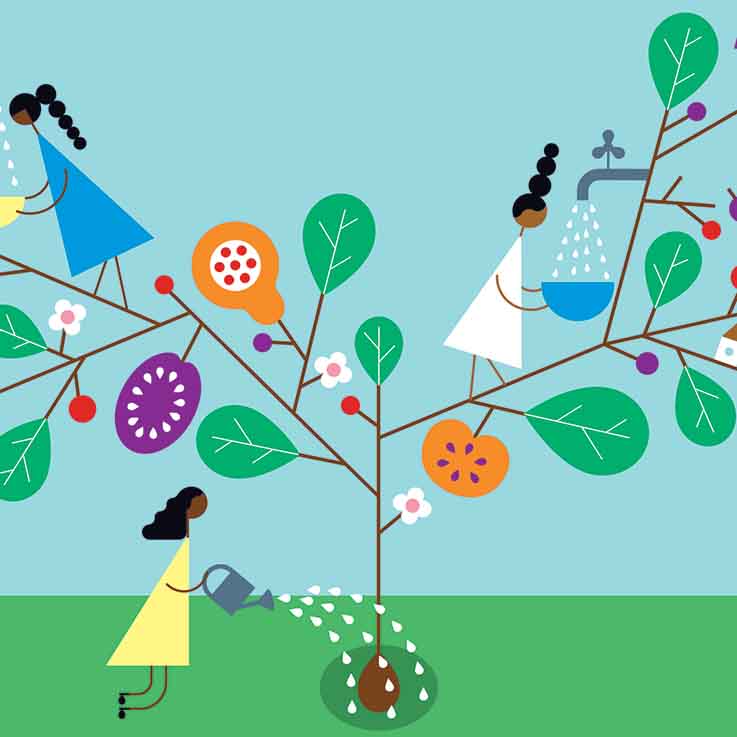
While large amounts of money can make a difference, it’s not the only way that philanthropists can have an impact.
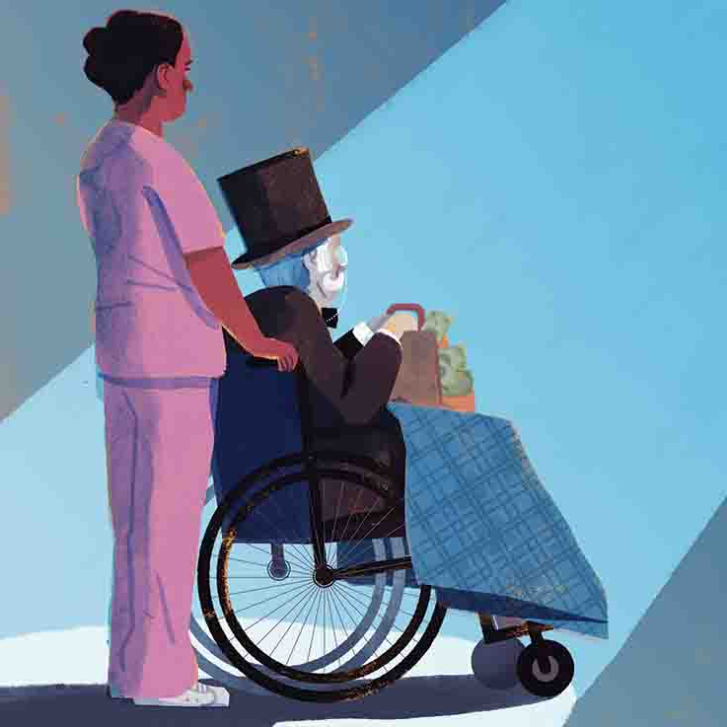
A successful transition away from fossil fuels will require strong and vocal civil society organizations and social movements, along with government and business, to make the changes that are necessary if we are to avoid the calamities of global warming.
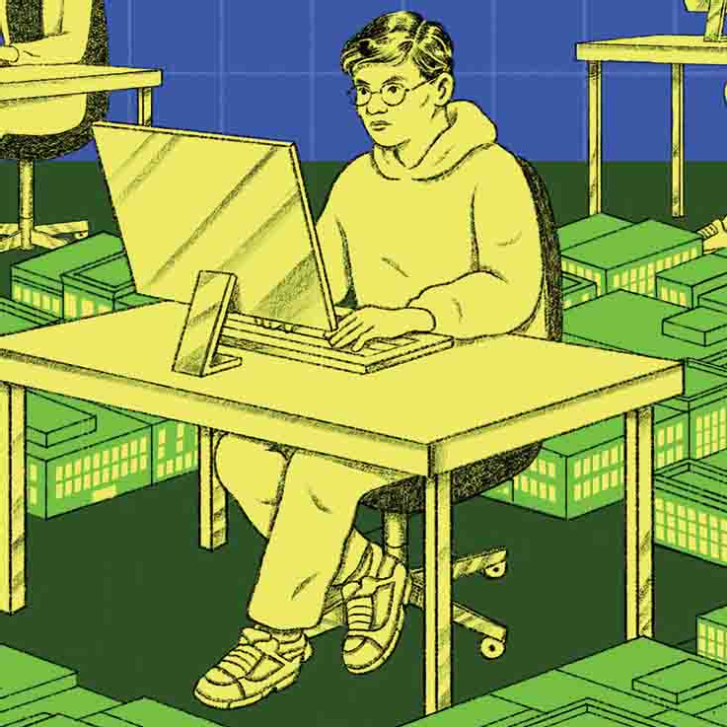
People from disadvantaged communities have largely been cut off from the tech cornucopia. It doesn’t have to be this way.

Nonprofits need to go into relationships with donors with their eyes wide open and dispassionately weigh the risks and rewards of the exchange.

Authors of a seminal article on collective impact explore what it means to put equity at the center of the practice and how that changes the collective impact process itself.


During the Industrial Revolution, labor organizations, social movements, the media, and government came together to rein in big business, providing lessons on how to regulate firms of today like Facebook, Amazon, and Google, writes SSIR's editor-in-chief in an introduction to the Summer 2019 issue.
A successful transition away from fossil fuels will require strong and vocal civil society organizations and social movements, along with government and business, to make the changes that are necessary if we are to avoid the calamities of global warming.
People from disadvantaged communities have largely been cut off from the tech cornucopia. It doesn’t have to be this way.
While large amounts of money can make a difference, it’s not the only way that philanthropists can have an impact.
Nonprofits need to go into relationships with donors with their eyes wide open and dispassionately weigh the risks and rewards of the exchange.