Playing for Their Lives: The Global El Sistema Movement for Social Change Through Music
How a Venezuelan model of music education is bringing a sense of inclusion to children in immigrant communities in Denmark—and around the world.

How a Venezuelan model of music education is bringing a sense of inclusion to children in immigrant communities in Denmark—and around the world.
How can we ensure all children across the globe learn the skills they need to be successful in an increasingly interconnected, technologically advanced world?
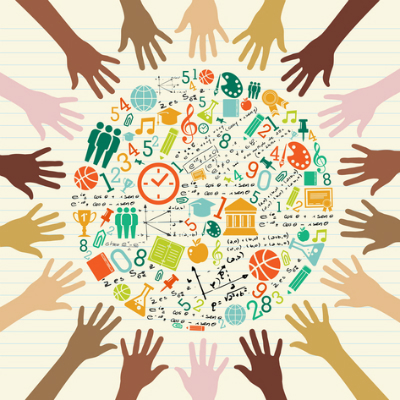
This series, produced in partnership with the Center for Universal Education at Brookings, aims to spark a global dialogue and promote increased understanding of how to develop the skills and learning that all children need for success in a rapidly changing world.
A results-based financing program to improve educational access and achievement in India shows the importance of data-driven decision-making and adaptive leadership.
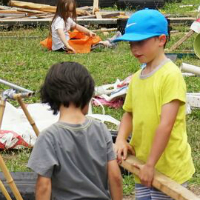
A New York City nonprofit aims to re-engage kids with creative, risky outdoor activities.


Large-scale social change requires broad cross-sector coordination, not the isolated intervention of individual organizations.
American educators, policymakers, and philanthropists are overselling the role of the highly skilled individual teacher and undervaluing the benefits that come from teacher collaborations.
Both human-centered and systems-thinking methods fit within an effective design approach, and can work in conjunction to address social challenges.
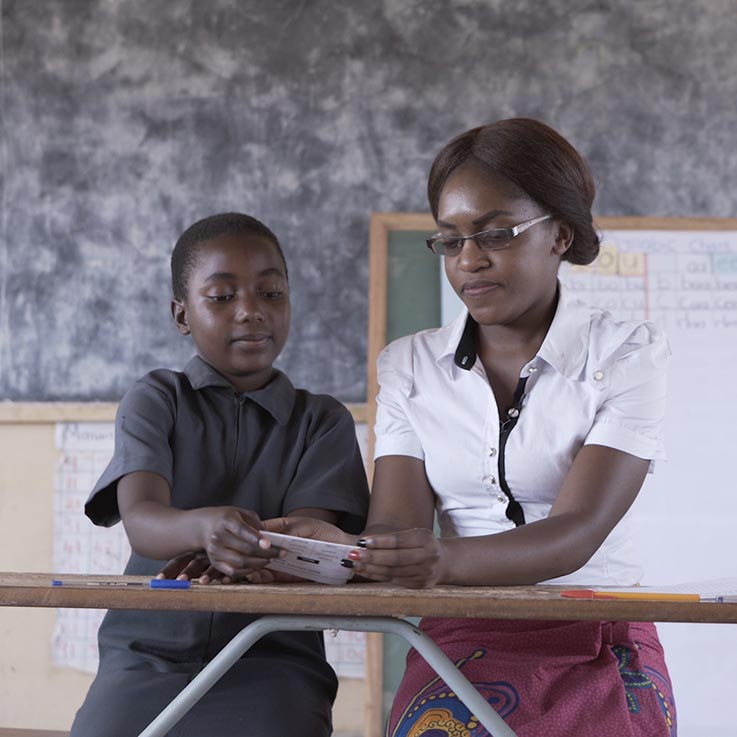
Research from the Abdul Latif Jameel Poverty Action Lab (J-PAL) and its partners shows how to help children learn amid erratic access to schools during a pandemic, and how those solutions may make progress toward the Sustainable Development Goal of ensuring a quality education for all by 2030.

How standardized testing, gentrification, school choice, and economic downturn have widened inequality to create an existential threat to democracy.