The Future of Philanthropy: Giving 2.0
Online giving markets help donors contribute more easily.
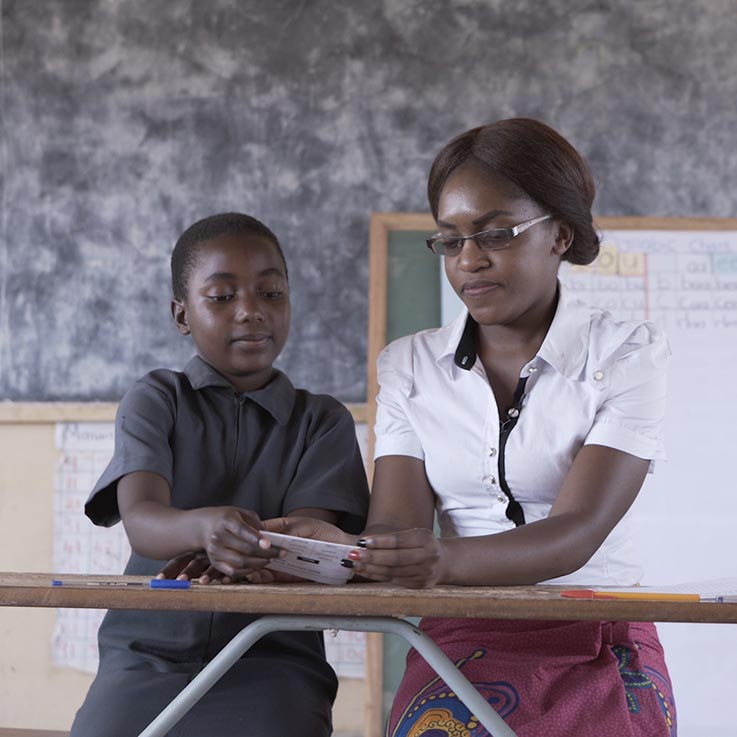
How did Room to Read create more than 5,000 libraries in less than eight years? The media have largely focused on founder John Wood as the catalytic figure in the organization's success story. Of equal importance, however, is Room to Read's solid and replicable operational choices.
Beulah Thumbadoo talks about her experiences promoting adult literacy, first from within the South African government and university system, and then through her own organization. Talking with Design for Change host Sheela Sethuraman in this audio interview, she also shares advice from her experience on social entrepreneurship.
While volunteering at a charter school, Rafael Alvarez was confronted with some shocking information—hardly any students in the senior class had plans to attend college. So, in true social entrepreneurial fashion, he decided to match up this under-served market with another under-served market, entry level IT. Talking with Design for Change host Sheela Sethuraman in this audio interview, he explains how Genesys Works prepares students technically and professionally to enter a corporate environment and change their lives.
What do you get when you combine a love of Bollywood music videos with widespread illiteracy? Brij Kothari sees an opportunity to make the world a better place. By subtitling popular entertainment, he helps millions learn to read in a fun way. He's also creating multiplatform stories that will be seen on TV, read on mobile phones, and printed in books. Talking to Design for Change host Sheela Sethuraman in this audio interview, Kothari describes how he improves lives by incorporating education into everyday entertainment.
Large-scale social change requires broad cross-sector coordination, not the isolated intervention of individual organizations.
American educators, policymakers, and philanthropists are overselling the role of the highly skilled individual teacher and undervaluing the benefits that come from teacher collaborations.
Both human-centered and systems-thinking methods fit within an effective design approach, and can work in conjunction to address social challenges.
Research from the Abdul Latif Jameel Poverty Action Lab (J-PAL) and its partners shows how to help children learn amid erratic access to schools during a pandemic, and how those solutions may make progress toward the Sustainable Development Goal of ensuring a quality education for all by 2030.
How standardized testing, gentrification, school choice, and economic downturn have widened inequality to create an existential threat to democracy.