
The Code for Success
Girls Coding, a free after-school and weekend program run by Pearls Africa Foundation, seeks to create a pathway out of poverty and bring its students into Nigeria’s male-dominated technology sector.
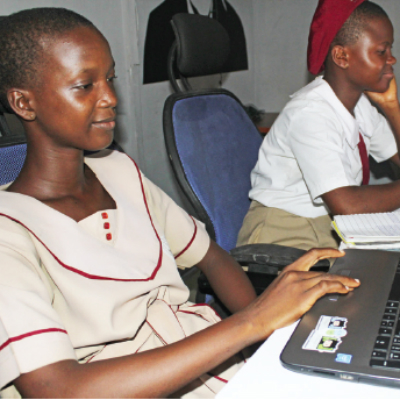
Girls Coding, a free after-school and weekend program run by Pearls Africa Foundation, seeks to create a pathway out of poverty and bring its students into Nigeria’s male-dominated technology sector.
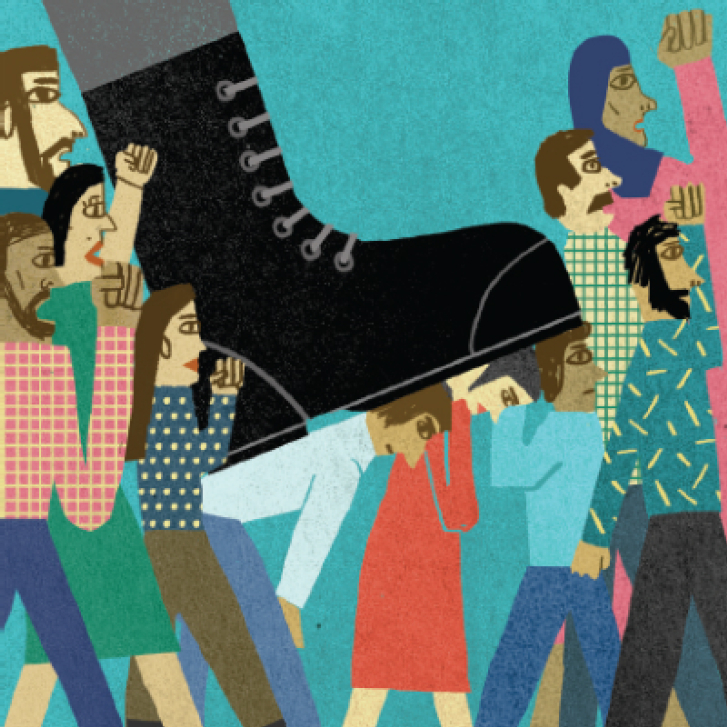
My experience in Erdoğan’s Turkey has taught me that NGOs need to avoid polarizing politics, focus on core values, and find allies to survive and thrive in closing societies.
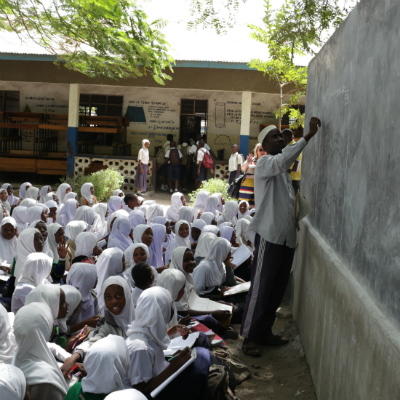
The Global Partnership for Education is giving millions of kids a chance to learn. Why isn’t the United States doing more to support it?
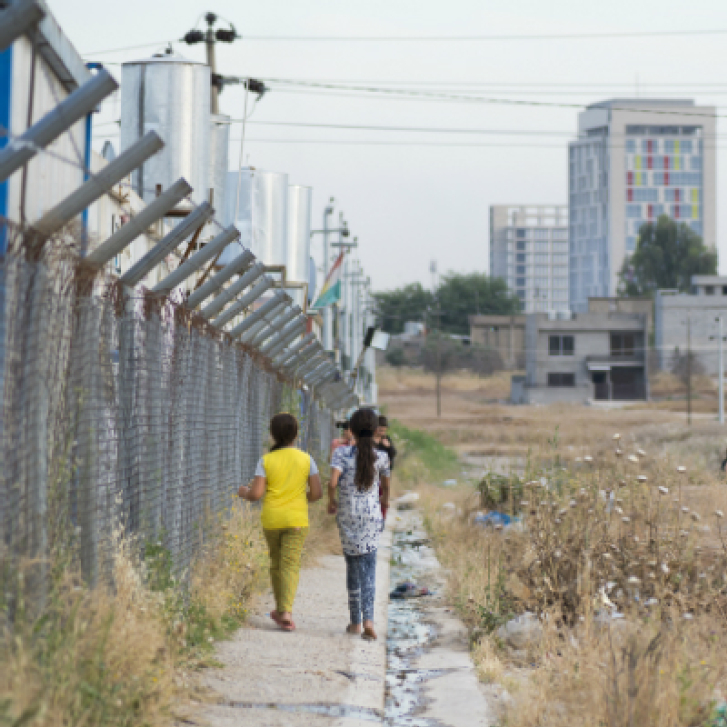
Stories are the most powerful tool we have for increasing understanding and building engagement with complex issues. Telling them well can drive belief and behavior change.
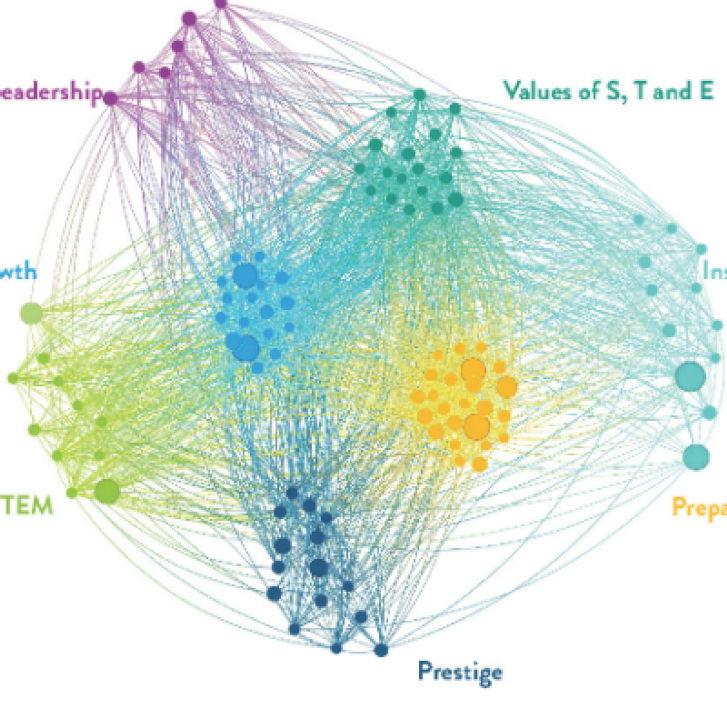
A project to end teacher shortages in the United States is demonstrating how thinking about social systems as networks can help us prioritize the most effective strategies.


Large-scale social change requires broad cross-sector coordination, not the isolated intervention of individual organizations.
American educators, policymakers, and philanthropists are overselling the role of the highly skilled individual teacher and undervaluing the benefits that come from teacher collaborations.
Both human-centered and systems-thinking methods fit within an effective design approach, and can work in conjunction to address social challenges.
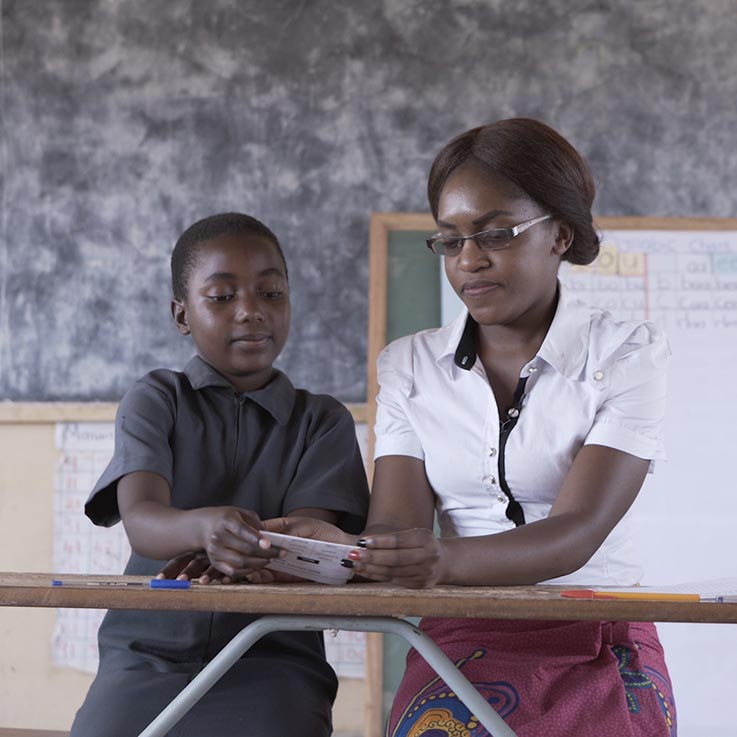
Research from the Abdul Latif Jameel Poverty Action Lab (J-PAL) and its partners shows how to help children learn amid erratic access to schools during a pandemic, and how those solutions may make progress toward the Sustainable Development Goal of ensuring a quality education for all by 2030.

How standardized testing, gentrification, school choice, and economic downturn have widened inequality to create an existential threat to democracy.