


Why Universities Shouldn’t Teach Social Entrepreneurship
For true social change to happen, we must welcome social entrepreneurs from all backgrounds, but universities simply can’t do that in their current form.
For true social change to happen, we must welcome social entrepreneurs from all backgrounds, but universities simply can’t do that in their current form.

Although we are ultimately most interested in long-term life outcomes for students, to achieve them education leaders will need a new focus on shorter-term, intermediate measures of success.

Academic institutions can help build the impact investing field by teaching students a fuller suite of skills, clarifying the range of career paths open to them, and developing a better theoretical and practical knowledge base.
Like games, classes aren’t interesting when the skills they require are too easy to master and there’s no chance of failure.

Examining the pitfalls and potential of social business plan competitions, and how educators can redesign them for greater impact.


Large-scale social change requires broad cross-sector coordination, not the isolated intervention of individual organizations.

American educators, policymakers, and philanthropists are overselling the role of the highly skilled individual teacher and undervaluing the benefits that come from teacher collaborations.
Both human-centered and systems-thinking methods fit within an effective design approach, and can work in conjunction to address social challenges.
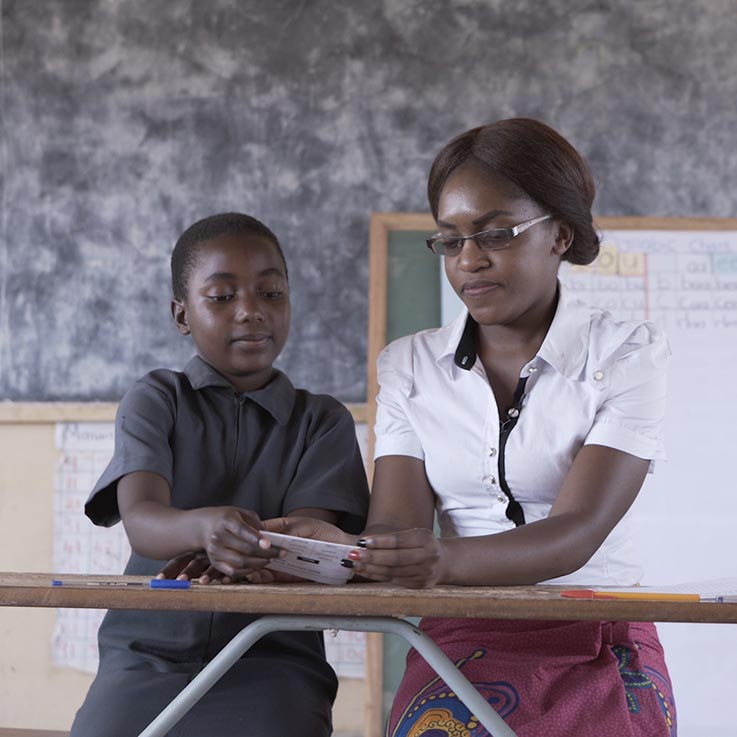
Research from the Abdul Latif Jameel Poverty Action Lab (J-PAL) and its partners shows how to help children learn amid erratic access to schools during a pandemic, and how those solutions may make progress toward the Sustainable Development Goal of ensuring a quality education for all by 2030.

How standardized testing, gentrification, school choice, and economic downturn have widened inequality to create an existential threat to democracy.