

The Changing Face of Collaboration
New research helps put collective impact in historical context and offers perspective on the challenge of sustainability.

New research helps put collective impact in historical context and offers perspective on the challenge of sustainability.
Three things legislators, universities, and social sector advocates can do to make sure we don’t lose out on the many contributions undocumented students can make to society.

By using a dynamic framework for authentic collaboration, we can increase the potential for problem-solving and create long-term, societal level change.
Liberia’s leaders are trying to jump-start their schools. Give them a break.

Tackling the nitty-gritty operational details of scale before you start can ease growing pains—three lessons from the East Africa-based nonprofit Educate!.


Large-scale social change requires broad cross-sector coordination, not the isolated intervention of individual organizations.

American educators, policymakers, and philanthropists are overselling the role of the highly skilled individual teacher and undervaluing the benefits that come from teacher collaborations.
Both human-centered and systems-thinking methods fit within an effective design approach, and can work in conjunction to address social challenges.
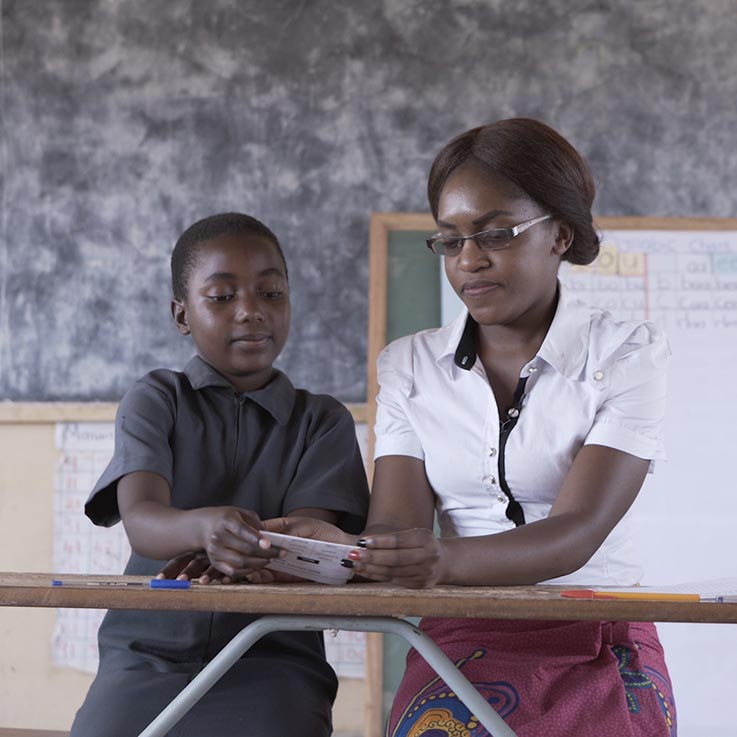
Research from the Abdul Latif Jameel Poverty Action Lab (J-PAL) and its partners shows how to help children learn amid erratic access to schools during a pandemic, and how those solutions may make progress toward the Sustainable Development Goal of ensuring a quality education for all by 2030.

How standardized testing, gentrification, school choice, and economic downturn have widened inequality to create an existential threat to democracy.