


sponsored
Climate Change, Environmental Activism, and Disability
People with disabilities are on the front lines of the climate crisis. Efforts to address the crisis must include them.

People with disabilities are on the front lines of the climate crisis. Efforts to address the crisis must include them.

With the dual goal of protecting the vital waterway and supporting communities that depend on it, the Cairo-based, youth-led organization VeryNile is partnering with local fishers and crafters to collect, recycle, and upcycle plastic waste.
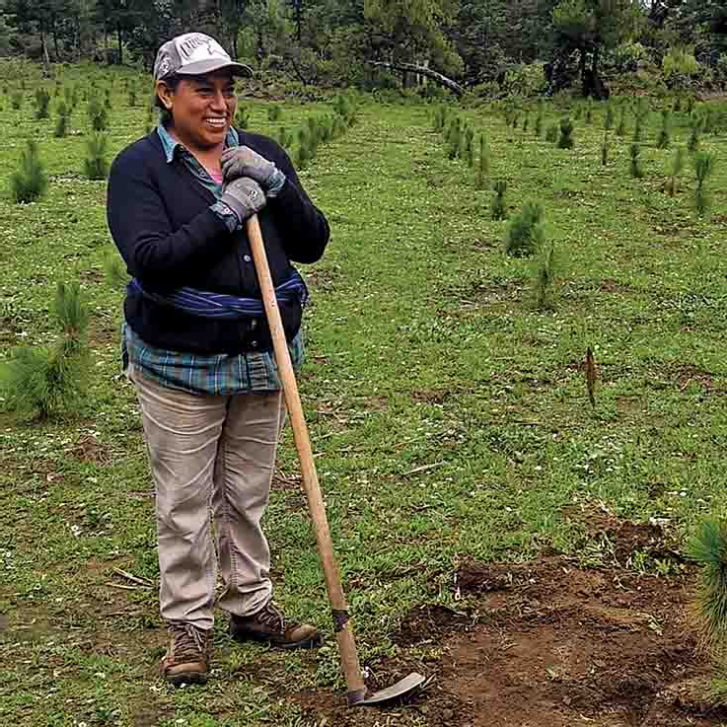
Sustainable pine resin producer Ejido Verde uses an adaptive reforestation model to replenish supply and meet demand.

Civic science platform ISeeChange mobilizes communities to take action on climate change.
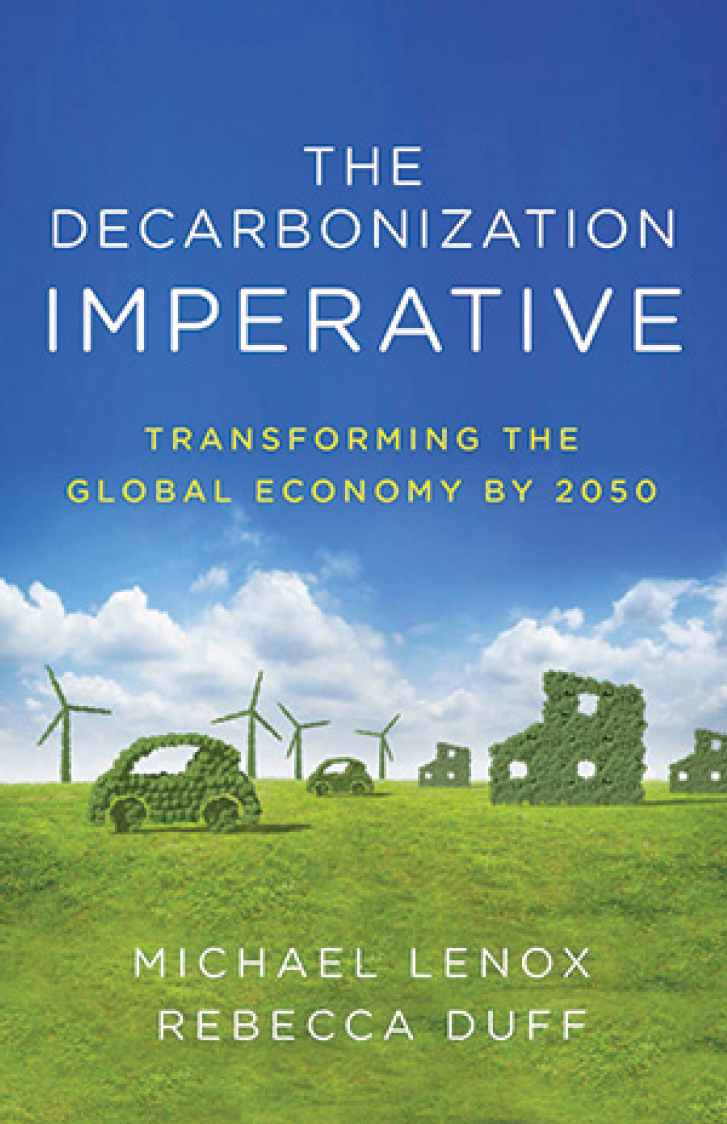
Authors Michael Lenox and Rebecca Duff call for disruptive innovations and radical reconfiguration of industries to decarbonize the planet by 2050.


The key to creating a vibrant and sustainable company is to find ways to get all employees personally engaged in day-to-day corporate sustainability efforts.

The era of corporations integrating sustainable practices is being surpassed by a new age of corporations actively transforming the market to make it more sustainable. Open access to this article is made possible by The Regents of the University of Michigan on behalf of the Erb Institute.

For much of its history, Wal-Mart’s corporate management team toiled inside its “Bentonville Bubble,” narrowly focused on operational efficiency, growth, and profits. But now the world's largest retailer has widened its sights, building networks of employees, nonprofits, government agencies, and suppliers to “green” its supply chains. Here's how and why the world’s largest retailer is using a network approach to decrease its environmental footprint – and to increase its profitability.

To do as much good as possible with limited resources, funders should look to woefully underfunded protest movements.

Using artificial intelligence to predict behavior can lead to devastating policy mistakes. Health and development programs must learn to apply causal models that better explain why people behave the way they do to help identify the most effective levers for change.